Grocers Push for Direct Fulfillment Amid Industry’s Digitization
Summary
This week in grocery news, Ahold Delhaize USA grocers adopt new direct ordering apps, Ocado reportedly doubles down on automation, and online discount grocer Martie launches nationwide. Multinational grocer Ahold Delhaize’s United States eCommerce arm, Peapod Digital Labs, announced Wednesday (Oct. 4) the launch of a native mobile app, with the grocer’s Stop & Shop and Food Lion brands launching apps with this technology, where before their only mobile direct ordering channel was the grocers’ websites. “Efficiency wasn’t the only priority,” Peapod Digital Labs Director of Mobile Engineering Paul Yang said in a statement. “It’s also our aim to create a more modern interface with aesthetic representative of each of the brands, complete with animations to bring moments of delight into what is typically a transactional experience.” The news comes as grocers step up their direct ordering capabilities as Instacart grows, fueled by its recent initial public offering (IPO). A small share of consumers buys groceries online via mobile devices, but that share is likely to grow soon, according to PYMNTS Intelligence. “Tracking the Digital Payments Takeover: Catching the Coming eCommerce Wave,” created in collaboration with Amazon Web Services (AWS), drew from an April survey of nearly 2,700 U.S. consumers. The results revealed that 12% of grocery transactions occur online — 6% via mobile devices and 6% via computers. Yet the same study found that about 1 in 3 shoppers said they are very or extremely likely to increase their online grocery purchases in the next year. Ocado CEO Reportedly Pushes Back Against Automation Skepticism British grocery technology company Ocado Group, which licenses automation and eCommerce solutions out to grocers, is maintaining that the economics of automated warehouses work, despite criticism and skepticism, Bloomberg reported Wednesday. “Our clients at the moment are rolling them out not as fast as we would like, but we’re working on that,” founder and CEO Tim Steiner said, per the report. His comment comes after U.S. grocery giant Kroger, which is reportedly the tech company’s biggest buyer, slowed and then paused the expansion of its automated grocery delivery fulfillment centers created in partnership with Ocado. “Right now, all the energy is focused on the [automated fulfillment centers] we have and making sure that those are where we want them to be, where they need to be and on a sustainable basis,” Kroger Chairman and CEO Rodney McMullen told analysts on the grocer’s earnings call last month. “… A ton of work is being done. We’re making progress, but we wouldn’t be to the point where we would start focusing on additional sheds until we make sure that we have a clear path on the ones we have.” Demand for grocery delivery is sizable, PYMNTS Intelligence found. “12 Months of the ConnectedEconomy: 33,000 Consumers on Digital’s Role in Their Everyday Lives,” which drew from surveys of tens of thousands of U.S. consumers, revealed that by November, 40% of consumers reported that they had ordered groceries online for home delivery in the previous month. Discount eGrocer Martie Expands Nationwide In additional grocery delivery news, value-focused eGrocer Martie, which sells overstock items at discounted rates, is seizing on demand for lower-cost options, launching nationwide as many consumers struggle with the cost of leading providers. The company announced the expansion Wednesday, shipping shelf-stable goods across the country. “We are thrilled that every person in this country will have access to surplus items at a discounted rate, including specialty and premium items,” CEO and Co-founder Louise Fritjofsson said in a statement. “Martie promises significant savings and to always stock our online with the essentials you know and need.” Many consumers are looking for discounted and low-priced grocery items. PYMNTS Intelligence’s report “Consumer Inflation Sentiment: The False Appeal of Deal-Chasing Consumers,” which drew from a survey of more than 2,100 U.S. consumers, revealed that 44% of grocery shoppers are deal chasers, willing to go wherever they will get the best price.The post Grocers Push for Direct Fulfillment Amid Industry’s Digitization first appeared on PYMNTS.com.
The Federal Trade Commission said it has been flooded with reports from consumers who have been taken in by scammers purporting to represent some of today…
FTC: Company Impersonation Scams Cost Consumers Millions of Dollars
Payments
Summary
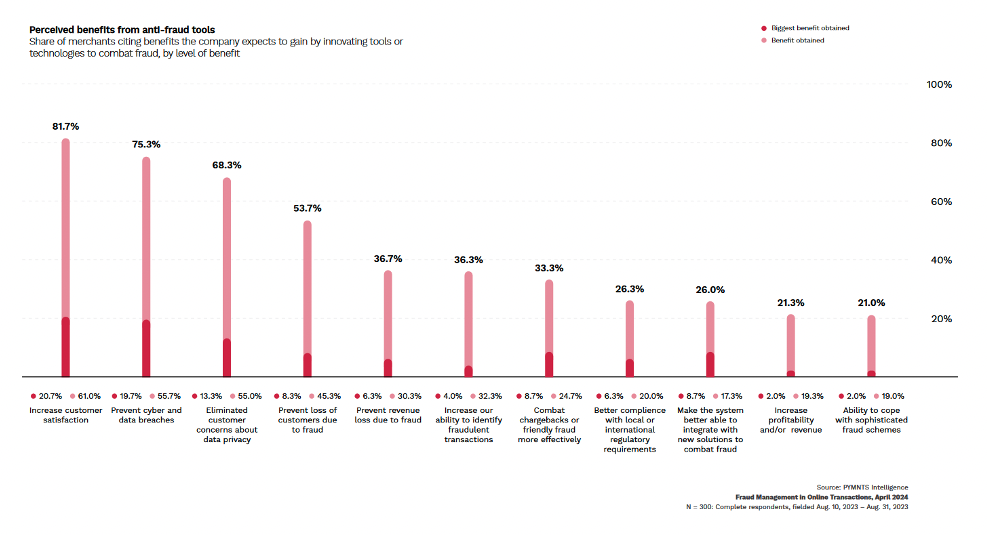
The Federal Trade Commission said it has been flooded with reports from consumers who have been taken in by scammers purporting to represent some of today’s leading companies. The FTC said Friday (May 24) that it received 52,000 consumer complaints in 2023 detailing scams where fraudsters claimed to represent Best Buy’s Geek Squad, which resulted in $15 million in consumer losses. Another 34,000 consumers reported losing $19 million to scam artists impersonating Amazon employees. PayPal impersonation frauds, meanwhile, cost consumers $16 million last year. These were the three leading impersonation scams, but the FTC said criminals pretending to represent Norton, Apple, Bank of America and Wells Fargo were also common last year. The tactics varied per swindle, the FTC said. Emails from fake Geek Squad representatives prompted consumers to share their credit card information to renew nonexistent service plans. Bogus Microsoft staffers alerted consumers about fake security breaches that could be resolved for a small price. Fraudsters claiming to represent Publishers Clearing House urged people to pay a modest fee so their nonexistent sweepstakes winnings could be delivered. To shield themselves from such hoaxes, the FTC said diligence is the first line of defense. Proceed with caution before paying anyone for anything or before clicking questionable links, the agency warned. The FTC also reminded businesses they have a role to play in protecting consumers. “At minimum, make it easier for customers to reach you to find out what communications are legit,” the FTC told merchants. “… [Look] to your workforce’s ingenuity to deploy solutions that protect your loyal customers and your good name.” The PYMNTS Intelligence report “Fraud Management in Online Transactions,” revealed that proactive fraud prevention on the part of merchants can help reinforce customer loyalty and satisfaction. The study found that 93% of eCommerce businesses saw improved customer experiences after integrating enhanced anti-fraud technologies. Of the 300 eCommerce executives who were surveyed for the report, 82% said increased consumer satisfaction would be the leading benefit following improved security measures. While 75% said upgrading fraud-prevention tools will help circumvent future cyber and data breaches — making it the No. 2 benefit — the next two leading benefits put the focus right back on the customer. Sixty-eight percent of merchants said enhancing fraud prevention tools will help mitigate customer concerns about data privacy, while 54% said it helps minimize customer churn. Only 37% said improving anti-fraud safeguards will help prevent future fraud losses. Merchants don’t have to go it alone. There are many third-party fraud prevention providers in the market, and PYMNTS Intelligence found that using external fraud-prevention expertise can pay off. Forty-four percent of merchants now outsource at least a portion of their fraud prevention operations to specialized third-party providers. Those surveyed in this group reported a lower average failed payment rate of 8.5% — 32% lower than the 13% rate experienced by businesses that opt to handle all their anti-fraud efforts internally. Although partnering with specialized third-party providers won’t put a dent in the millions of dollars consumers lose due to impersonation schemes, doing so can help merchants deliver on the FTC’s request to help protect customers. By doing so, businesses can improve their own internal security — and, in turn, boost customer satisfaction. The post FTC: Company Impersonation Scams Cost Consumers Millions of Dollars appeared first on PYMNTS.com.
Looking to protect the millions you've made from crypto during the Bitcoin-Ether ETF mania before this bull run comes crashing to an end? Here are a few i…
3 tips for protecting Bitcoin profits amid Ethereum ETF mania
Blockchain · Digital Currencies
Summary
Looking to protect the millions you've made from crypto during the Bitcoin-Ether ETF mania before this bull run comes crashing to an end? Here are a few ideas.
Joint CFTC and SEC jurisdiction as outlined in the landmark legislation will add heavy compliance costs, bifurcate global crypto markets and undermine a n…
The Unintended Consequences of FIT21’s Crypto Market Structure Bill
Digital Currencies
Summary
Joint CFTC and SEC jurisdiction as outlined in the landmark legislation will add heavy compliance costs, bifurcate global crypto markets and undermine a nascent industry in the U.S.
BlockDAG’s Rapid Climb As Leading Future Crypto With $32.4M Presale, Outshining Polygon’s Rally And PEPE’s Fall In the current cryptocurrency environment,…
BlockDAG’s Rapid Climb As Leading Future Crypto With $32.4M Presale, Outshining Polygon’s Rally And PEPE’s Fall In the current cryptocurrency environment, Polygon (MATIC) faces a stabilization period, while PEPE has experienced a notable decline from its peak. Amid these fluctuations, BlockDAG has risen as a pillar of innovation and promise. Lauded by influencers as the premier future cryptocurrency, BlockDAG has driven its presale to an impressive $32.4 million. It stands out with its advanced technology and a visionary approach to transforming the blockchain landscape. Is a Bull Run Approaching for Polygon (MATIC)? The market for Polygon shows signs of consolidation, hinting at possible bearish trends, yet MATIC has remained resilient, fluctuating within established support and resistance levels. A quick 40% rise in its value was short-lived, reverting to prior levels. Indicators like a bullish turn in the Gaussian channel predict resistance near $0.8 and the potential to escalate to $1, suggesting a possible breakout by late 2024 or early 2025. Has PEPE Reached Its Peak? PEPE recently achieved a record high, leading to a wave of profit-taking by investors. Having broken significant resistance levels, the token now risks a downturn as over 40% of holders begin to sell off their stakes. Should PEPE maintain levels above the recent peak, it might stabilize and attempt to reach new highs; otherwise, it could decline to $0.00000900 or below. BlockDAG’s Phenomenal Growth Fueled by Influencer Support BlockDAG’s presale has been exceptionally successful, raising over $32.4 million through the sale of 9.8 billion BDAG coins, thanks largely to endorsements from influential figures like Crypto Infinity. These endorsements have showcased BlockDAG’s innovative tokenomics and high-return potential, propelling its price upward and rewarding early investors with a 750% increase by the end of the 14th batch. The roadmap for BlockDAG focuses on implementing smart contracts, setting the coin’s initial market value, and launching strategic marketing initiatives. This plan outlines a progression from securing funding and forging strategic partnerships to preparing for the mainnet launch and concluding the presale phases. BlockDAG’s roadmap clearly illustrates its strategy to position itself as a top player in the cryptocurrency industry. BlockDAG’s strategy contrasts starkly with those of PEPE and Polygon. PEPE, driven by transient meme appeal, targets short-lived visibility, while Polygon’s approach is more cautious, focusing on scalability and interoperability for steady growth. In contrast, BlockDAG’s roadmap is ambitious, targeting rapid expansion and forecasting a monumental 30,000x ROI by 2030. Final Analysis As PEPE capitalizes on fleeting meme fame and Polygon advances with measured improvements, BlockDAG offers a more enticing investment opportunity. Its innovative strategies and strong support from influencers have propelled its presale to $32.4 million, achieving a 750% gain for early backers within just a few months. Unlike PEPE’s reliance on hype and Polygon’s gradual progression, BlockDAG uses strategic influencer collaborations and clear milestones to aim for exponential returns, setting a trajectory for a significant 30,000x ROI by 2030. This strategic positioning makes BlockDAG a compelling choice for investors focused on the future of cryptocurrency. Join BlockDAG Presale Now: Website: https://blockdag.network Presale: https://purchase.blockdag.network Telegram: https://t.me/blockDAGnetworkOfficial Discord: https://discord.gg/Q7BxghMVyu Disclosure: This is a sponsored press release. Please do your research before buying any cryptocurrency or investing in any projects. Read the full disclosure here. The post Polygon (MATIC) Bull Run | PEPE Price | BlockDAG’s Huge Presale appeared first on The Merkle News.