The post Binance Reports 4.41% Decrease in BTC Holdings Amid Bitcoin’s Price Recovery appeared first on Coinpedia Fintech News Bitcoin’s (BTC) price has steadfastly defended the critical support level of around $27k throughout the early London session on Wednesday. The leading digital asset finds itself in a precarious position, poised to either embark on a bullish breakout toward $32k or face a potential capitulation below $25k in the weeks ahead. Nonetheless, most cryptocurrency experts agree that Bitcoin’s price may be primed for a bullish breakout, supported by a noticeable increase in address activities. However, the Bitcoin bulls must contend with the substantial selling pressure resulting from daily and weekly death crosses between the 50 and 200 Moving Averages (MA). Nevertheless, the substantial demand for Bitcoin from institutional investors remains a significant bullish factor, particularly in light of the heightened regulatory clarity surrounding cryptocurrencies in various jurisdictions. Binance Records Decrease in Bitcoin Supply 4.41% of the total #Bitcoin balance on Binance has been withdrawn in the last 30 days. pic.twitter.com/DFm9F66auc— Crypto Rover (@rovercrc) September 19, 2023 Binance, being the leading cryptocurrency exchange, wields considerable influence over Bitcoin’s price dynamics. Over the past 30 days, Bitcoin’s supply on Binance has declined by approximately 21,403 coins, equating to roughly 4.41 percent. Consequently, as of Wednesday, Binance held approximately 543k Bitcoins, making it the largest entity holding Bitcoin for its clients. The decrease in Bitcoin’s supply on Binance indicates that investors may transfer their assets to non-custodial and cold wallets, anticipating a potential future bull market. While not a dominant factor in determining Bitcoin’s price action, changes in supply can aid investors in gauging the broader market sentiment. Furthermore, a sustained decline in Binance’s Bitcoin supply suggests that more investors are adopting a bullish outlook and are not inclined to sell their holdings at current price levels.
The $223 billion-asset bank said it will train its commercial bankers to work with clients to develop decarbonization transition plans. It also committed …
Citizens pledges to work with commercial clients on climate plans
Banca
Resumen
The $223 billion-asset bank said it will train its commercial bankers to work with clients to develop decarbonization transition plans. It also committed to reaching carbon neutrality within 12 years.
Card reward programs are proving to be highly effective in building customer loyalty across industries, especially the travel sector, which is roaring bac…
How Personalized Card Reward Programs Are Driving Customer Loyalty
Pagos
Resumen
Card reward programs are proving to be highly effective in building customer loyalty across industries, especially the travel sector, which is roaring back after several years of deep losses. That’s according to “Leveraging Item-Level Receipt Data: How Card-Linked Offers Drive Customer Loyalty,” a PYMNTS-Banyan study that surveyed more than 2,000 consumers in the United States to understand their interest in loyalty and rewards programs, their preference for card-linked offers, and how merchants can increase awareness and usage of these offers. Overall, 65% of credit or debit card users prefer to shop with brands or merchants where they are loyalty or rewards program members, per the report. Additionally, the study found that 34% of consumers are willing to try out new brands or merchants, while 23% are occasional shoppers who sporadically visit specific brands or merchants. Personalized card reward programs were found to be particularly appealing to consumers, with 4 in 10 expressing a preference for cards tailored to their needs and preferences. In the travel sector, PYMNTS Intelligence found that nearly 64% of consumers are very or extremely likely to use card-linked offers for local travel purchases in the next three months, while 60% plan to do the same for purchases related to long-distance travel. These high figures highlight the huge potential travel industry merchants have to increase engagement and retain customers through more personalized and relevant card-linked offers that resonate with customers’ needs. In fact, approximately half of millennials, 49% of consumers with children, and 44% of individuals who have recently started engaging with brands or merchants are inclined to switch to businesses that provide tailored card-linked offer programs for specific products. Similarly, our findings indicated that 50% of millennials, 50% of consumers with children, and 48% of new customers are likely to shift their preferences towards merchants offering specialized programs designed specifically for their business. Leveraging item-level receipt data can help travel merchants fully capture this potential, the study found. By analyzing this data, merchants can tailor offers based on loyalty program insights and customer behavior, effectively engaging existing customers and attracting new ones. Moreover, customers who have used these programs express high levels of satisfaction, especially when offers are tailored to their preferences, further giving merchants a chance to cultivate loyalty and encourage increased spending. Finally, the report emphasized the importance for merchants, card issuers and card-linked offer platforms to promote and increase consumer awareness of card-linked offers for the nearly 40% of consumers who have not used card-linked offers because they lack familiarity with these programs. Educating consumers about how these programs work and the benefits they provide can unlock value in the form of more card members and increased purchase volume.The post How Personalized Card Reward Programs Are Driving Customer Loyalty first appeared on PYMNTS.com.
Card reward programs are proving to be highly effective in building customer loyalty across industries, especially the travel sector, which is roaring bac…
Card reward programs are proving to be highly effective in building customer loyalty across industries, especially the travel sector, which is roaring back after several years of deep losses. That’s according to “Leveraging Item-Level Receipt Data: How Card-Linked Offers Drive Customer Loyalty,” a PYMNTS-Banyan study that surveyed more than 2,000 consumers in the United States to understand their interest in loyalty and rewards programs, their preference for card-linked offers, and how merchants can increase awareness and usage of these offers. Overall, 65% of credit or debit card users prefer to shop with brands or merchants where they are loyalty or rewards program members, per the report. Additionally, the study found that 34% of consumers are willing to try out new brands or merchants, while 23% are occasional shoppers who sporadically visit specific brands or merchants. Personalized card reward programs were found to be particularly appealing to consumers, with 4 in 10 expressing a preference for cards tailored to their needs and preferences. In the travel sector, PYMNTS Intelligence found that nearly 64% of consumers are very or extremely likely to use card-linked offers for local travel purchases in the next three months, while 60% plan to do the same for purchases related to long-distance travel. These high figures highlight the huge potential travel industry merchants have to increase engagement and retain customers through more personalized and relevant card-linked offers that resonate with customers’ needs. In fact, approximately half of millennials, 49% of consumers with children, and 44% of individuals who have recently started engaging with brands or merchants are inclined to switch to businesses that provide tailored card-linked offer programs for specific products. Similarly, our findings indicated that 50% of millennials, 50% of consumers with children, and 48% of new customers are likely to shift their preferences towards merchants offering specialized programs designed specifically for their business. Leveraging item-level receipt data can help travel merchants fully capture this potential, the study found. By analyzing this data, merchants can tailor offers based on loyalty program insights and customer behavior, effectively engaging existing customers and attracting new ones. Moreover, customers who have used these programs express high levels of satisfaction, especially when offers are tailored to their preferences, further giving merchants a chance to cultivate loyalty and encourage increased spending. Finally, the report emphasized the importance for merchants, card issuers and card-linked offer platforms to promote and increase consumer awareness of card-linked offers for the nearly 40% of consumers who have not used card-linked offers because they lack familiarity with these programs. Educating consumers about how these programs work and the benefits they provide can unlock value in the form of more card members and increased purchase volume.The post Personalized Card Rewards Drive Travel Sector Loyalty first appeared on PYMNTS.com.
TORONTO — Bank of America announced the addition of AI capabilities to its CashPro Chat function at Sibos 2023 Monday, bringing an enhanced user experienc…
Bank of America launches AI-driven chatbot capabilities for commercial clients
Criptodivisas
Resumen
TORONTO — Bank of America announced the addition of AI capabilities to its CashPro Chat function at Sibos 2023 Monday, bringing an enhanced user experience to its corporate and commercial clients. The $3.2 trillion bank's CashPro Chat now uses the same proprietary technology as the bank’s AI-driven consumer-facing bot Erica, Tom Durkin, global head of
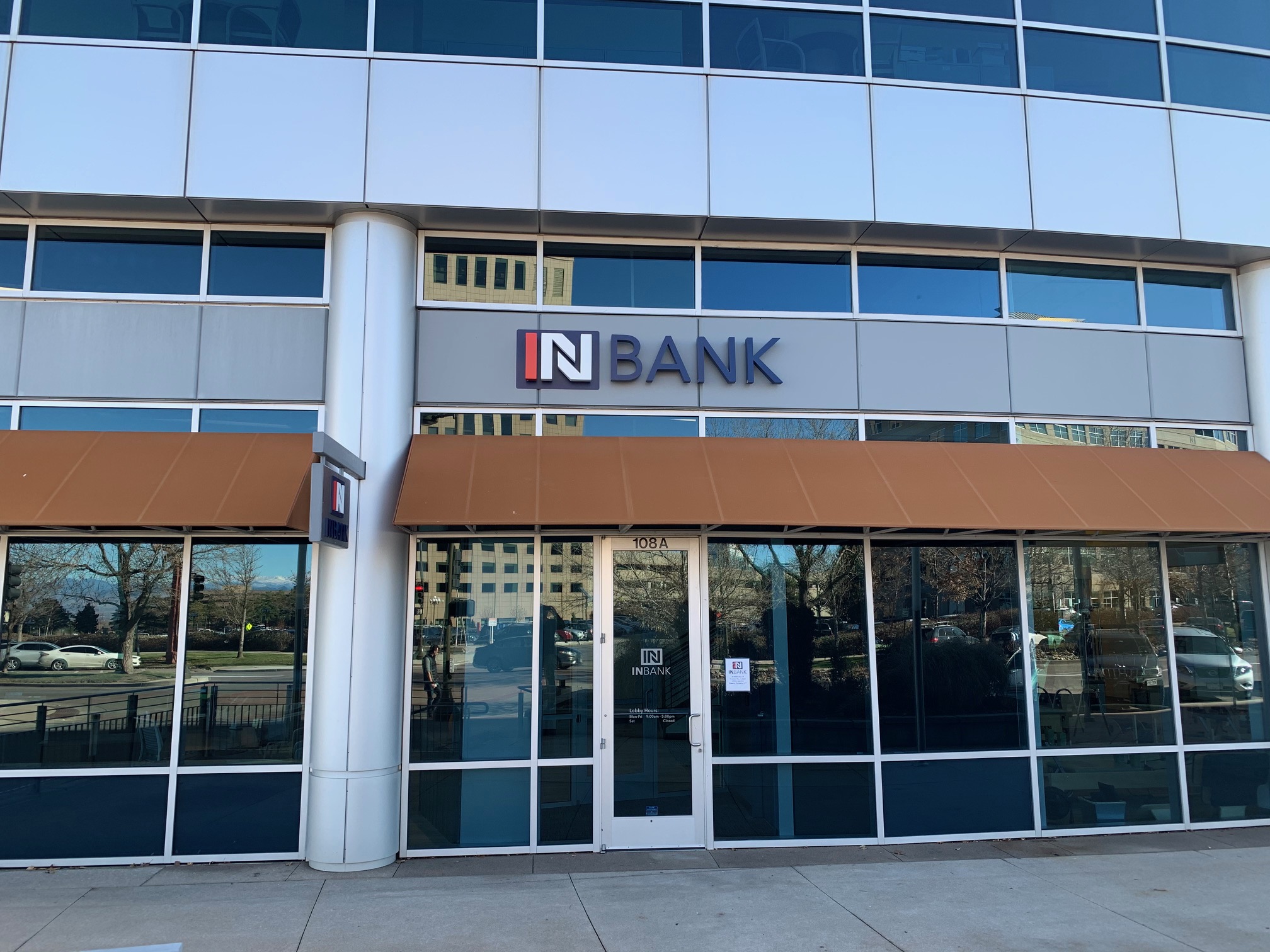
Denver-based InBank will expand into Georgia and Arizona, part of a wider plan to seize market share and build what one executive called a top-tier SBA le…
A small Colorado bank's plan to fend off big SBA lenders
Resumen
Denver-based InBank will expand into Georgia and Arizona, part of a wider plan to seize market share and build what one executive called a top-tier SBA lender.