The post Binance Reports 4.41% Decrease in BTC Holdings Amid Bitcoin’s Price Recovery appeared first on Coinpedia Fintech News Bitcoin’s (BTC) price has steadfastly defended the critical support level of around $27k throughout the early London session on Wednesday. The leading digital asset finds itself in a precarious position, poised to either embark on a bullish breakout toward $32k or face a potential capitulation below $25k in the weeks ahead. Nonetheless, most cryptocurrency experts agree that Bitcoin’s price may be primed for a bullish breakout, supported by a noticeable increase in address activities. However, the Bitcoin bulls must contend with the substantial selling pressure resulting from daily and weekly death crosses between the 50 and 200 Moving Averages (MA). Nevertheless, the substantial demand for Bitcoin from institutional investors remains a significant bullish factor, particularly in light of the heightened regulatory clarity surrounding cryptocurrencies in various jurisdictions. Binance Records Decrease in Bitcoin Supply 4.41% of the total #Bitcoin balance on Binance has been withdrawn in the last 30 days. pic.twitter.com/DFm9F66auc— Crypto Rover (@rovercrc) September 19, 2023 Binance, being the leading cryptocurrency exchange, wields considerable influence over Bitcoin’s price dynamics. Over the past 30 days, Bitcoin’s supply on Binance has declined by approximately 21,403 coins, equating to roughly 4.41 percent. Consequently, as of Wednesday, Binance held approximately 543k Bitcoins, making it the largest entity holding Bitcoin for its clients. The decrease in Bitcoin’s supply on Binance indicates that investors may transfer their assets to non-custodial and cold wallets, anticipating a potential future bull market. While not a dominant factor in determining Bitcoin’s price action, changes in supply can aid investors in gauging the broader market sentiment. Furthermore, a sustained decline in Binance’s Bitcoin supply suggests that more investors are adopting a bullish outlook and are not inclined to sell their holdings at current price levels.
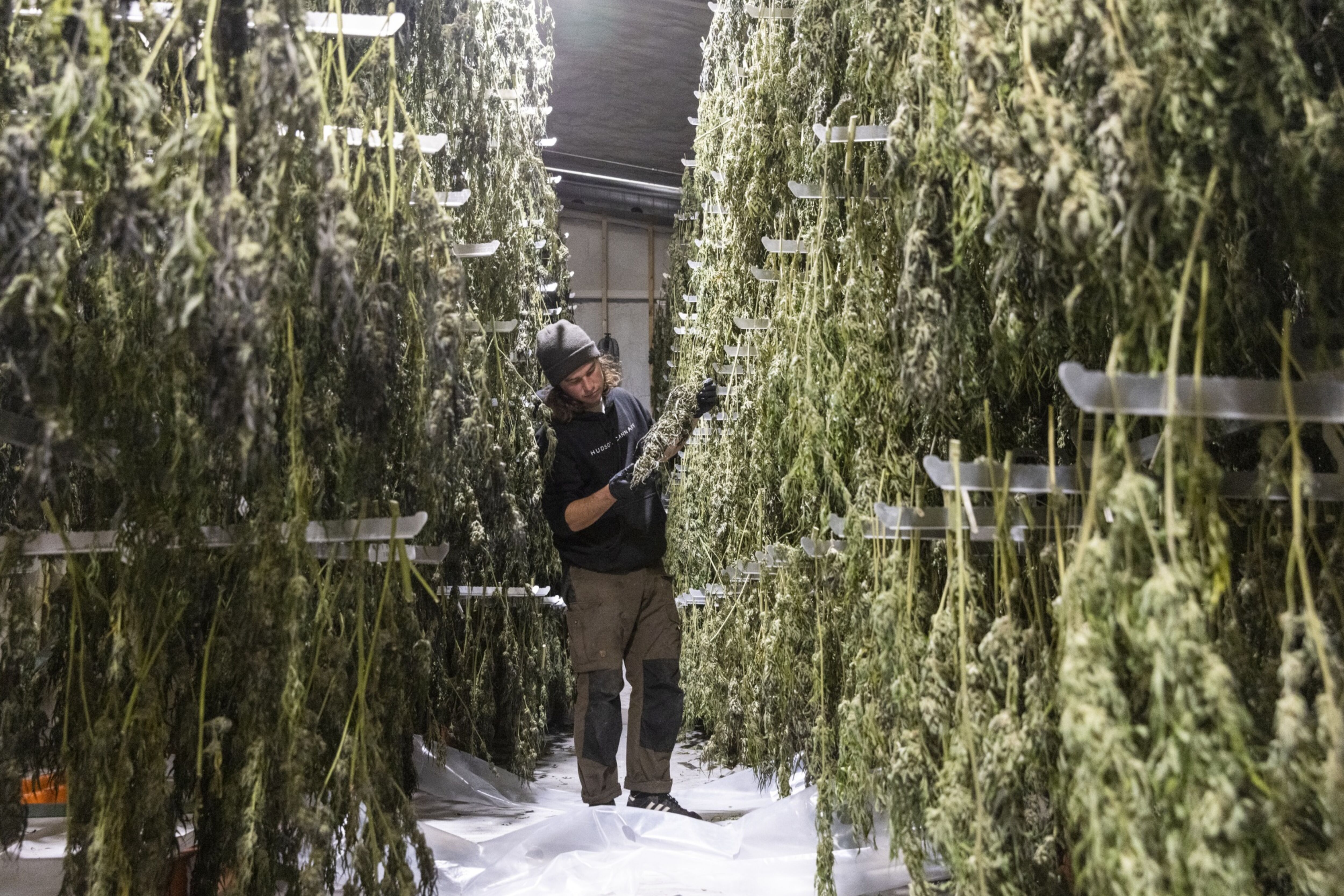
As cannabis becomes more and more commonplace, reasonable people might wonder why Congress hasn't made it easier for banks to serve legal cannabis busines…
Time to go back to the drawing board on cannabis banking
Criptodivisas
Resumen
As cannabis becomes more and more commonplace, reasonable people might wonder why Congress hasn't made it easier for banks to serve legal cannabis businesses. But maybe giving big banks and capital markets a green light to dive into cannabis with both feet is an outcome worth avoiding.
David Hirsch, who runs the agency’s office that handles crypto enforcement, says that apart from Coinbase and Binance, there are other exchanges and DeFi …
U.S. SEC’s Crypto Enforcement Chief Warns More Charges Coming to Exchanges, DeFi
Criptodivisas · Remesas
Resumen
David Hirsch, who runs the agency’s office that handles crypto enforcement, says that apart from Coinbase and Binance, there are other exchanges and DeFi straying from the law.
The Consumer Financial Protection Bureau issued guidance on the use of artificial intelligence in credit underwriting, saying that creditors are relying t…
CFPB issues guidance on credit denials that use artificial intelligence
Criptodivisas
Resumen
The Consumer Financial Protection Bureau issued guidance on the use of artificial intelligence in credit underwriting, saying that creditors are relying too heavily on a CFPB checklist and sample forms when they should provide specificity to explain why a consumer is denied credit.
The Consumer Financial Protection Bureau issued guidance on the use of artificial intelligence in credit underwriting, saying that creditors are relying t…
CFPB issues guidance on credit denials using artificial intelligence
Criptodivisas
Resumen
The Consumer Financial Protection Bureau issued guidance on the use of artificial intelligence in credit underwriting, saying that creditors are relying too heavily on a CFPB checklist and sample forms when they should provide specificity to explain why a consumer is denied credit.