Binary Options Trading on Cryptocurrencies: Exploring Challenges and Opportunities
Resumen
The post Binary Options Trading on Cryptocurrencies: Exploring Challenges and Opportunities appeared first on Coinpedia Fintech News In the ever-evolving landscape of financial markets, the intersection of cryptocurrency and binary options trading has emerged as a topic of great interest. Binary options trading has gained traction due to its simplicity and potential for high returns, while cryptocurrencies like Bitcoin and Ethereum have captivated investors with their unprecedented volatility and promise of technological disruption. Combining these two worlds, binary options trading on cryptocurrencies presents a unique set of challenges and opportunities that traders need to be aware of. Understanding Binary Options Trading Before delving into the specifics of trading binary options on cryptocurrencies, let’s first understand the basics of binary options trading itself. Binary options are a type of financial derivative where the trader makes a prediction about the price movement of an underlying asset within a specified timeframe. Unlike traditional trading, where the magnitude of price movement matters, binary options traders only need to predict whether the price will be above or below a certain strike price at the expiration of the option. This simplicity is both the allure and the challenge of binary options trading. On one hand, the fixed nature of the outcome allows for straightforward risk management and the potential for substantial gains. On the other hand, the binary nature of the options means that if the prediction is incorrect, the trader could lose the entire investment. The World of Cryptocurrencies Cryptocurrencies have disrupted traditional financial systems and captured the imagination of investors worldwide. Bitcoin, often referred to as digital gold, introduced the concept of decentralized digital currency, paving the way for a multitude of other cryptocurrencies like Ethereum, Ripple, and Litecoin. One of the defining features of cryptocurrencies is their extreme price volatility. Prices can experience rapid and significant fluctuations within short timeframes, which can be both a blessing and a curse for traders. Challenges of Binary Options Trading on Cryptocurrencies Volatility as Double-Edged Sword While volatility presents an opportunity for potential gains, it also significantly amplifies the risks associated with binary options trading on cryptocurrencies. Sudden and unpredictable price swings can lead to unexpected outcomes, making accurate predictions more challenging. Traders need to carefully consider whether the volatility of the cryptocurrency market aligns with their risk tolerance and trading strategy. Regulatory Uncertainty The regulatory landscape for both cryptocurrencies and binary options varies greatly from one jurisdiction to another. Cryptocurrencies are still relatively new and are subject to evolving regulations that can impact their legality and usage. Binary options trading has also faced scrutiny in several countries due to concerns about transparency and investor protection. Traders need to navigate this complex regulatory environment and ensure they are trading on reputable and regulated platforms. Limited Market Hours Cryptocurrency markets operate 24/7, allowing traders to access the market at any time. However, binary options often have fixed expiry times, which can limit trading opportunities for those who want to capitalize on specific market events. Traders must carefully choose their options’ expiry times to align with their market analysis and strategy. Lack of Fundamental Analysis Traditional trading often involves fundamental analysis, where investors assess the underlying factors affecting an asset’s value. In the cryptocurrency market, where many assets lack traditional fundamentals like earnings reports or economic indicators, relying solely on technical analysis becomes more common. Binary options traders need to adapt their strategies to the unique characteristics of cryptocurrencies, focusing on price patterns, trends, and market sentiment. Opportunities in Binary Options Trading on Cryptocurrencies High Returns in Short Timeframes Binary options trading offers the potential for substantial returns within short timeframes. In the cryptocurrency market, where price movements can be swift and significant, traders can start binary trading on this website and have the chance to profit from these rapid fluctuations. However, it’s essential to remember that high returns come with high risks, and careful risk management is crucial. Diversification of Investment Portfolio For investors looking to diversify their portfolios, binary options on cryptocurrencies can offer an alternative asset class. Cryptocurrencies have a relatively low correlation with traditional financial markets, which means they can provide a hedge against more traditional investments like stocks and bonds. By integrating binary options trading on cryptocurrencies into their overall strategy, investors can potentially enhance their risk-adjusted returns. Leveraging Technological Tools The world of cryptocurrencies is intertwined with cutting-edge technology, including blockchain and decentralized finance (DeFi). Traders can leverage these technologies to gain insights, automate strategies, and access a wealth of market data. Algorithmic trading, for instance, can help traders execute strategies with precision and speed, taking advantage of fleeting market opportunities. Conclusion Binary options trading on cryptocurrencies merges the excitement of high-risk, high-reward trading with the unpredictability of the cryptocurrency market. Traders seeking to venture into this space must be aware of the unique challenges posed by the volatile nature of cryptocurrencies and the specific regulatory environment surrounding both binary options and digital assets. While the potential for substantial profits exists, so does the potential for significant losses. As with any trading endeavor, thorough research, risk management, and a clear understanding of one’s risk tolerance are essential. For those who can navigate the challenges and seize the opportunities, binary options trading on cryptocurrencies could provide a compelling addition to their repertoire.
As major retailers struggle to strike the balance between winning grocery delivery customers from competitors and boosting margins per order, Amazon conti…
Amazon Lowers Grocery Delivery Threshold as Retailers Tinker With Fees
Herramientas De Negocio · Pagos
Resumen
As major retailers struggle to strike the balance between winning grocery delivery customers from competitors and boosting margins per order, Amazon continues to adjust its free delivery minimum for its Prime subscribers. The eCommerce giant announced Thursday (Oct. 5) that it has lowered the threshold for free grocery delivery for Prime members to $100, down from the previous minimum of $150, which itself was imposed earlier this year, a dramatic increase from the $35 threshold that was previously in effect. The move comes as major retailers weigh the challenges of making eGrocery more profitable versus winning the loyalty of customers amid stiff competition from rivals. Walmart, for its part, offers its Walmart+ members free grocery delivery on orders over $35, while non-members are charged between $7.95 and $9.95. Costco’s fees, meanwhile, vary depending on a number of factors, but the company’s same-day delivery option is only available for orders of $35 or more. Amazon’s move to lower its free delivery threshold for members comes as the company looks to grow its share of grocery sales — a category in which it lags far behind competitor Walmart. PYMNTS Intelligence finds that Walmart has captured a 19.3% share of consumers’ food and beverage spend — nearly eight times Amazon’s 2.6% share. In general, amid ongoing financial challenges, consumers have been loath to pay steep fees for delivery or to pay extra for the service. Take, for instance, restaurant ordering. PYMNTS Intelligence’s report “Connected Dining: Rising Costs Push Consumers Toward Pickup,” which drew from a survey of more than 2,100 U.S. consumers, revealed that 58% of takeout customers said they pick up restaurant meals to save on delivery fees, and 48% said inflation has made them more likely to choose pickup over delivery. Plus, high free delivery thresholds tend to limit online grocery’s audience. Indeed, PYMNTS Intelligence finds that eGrocery is highly skewed toward high earners. Last year’s study “The ConnectedEconomy Monthly Report: Paycheck-To-Paycheck Consumers Digitally Disengage” found that nearly half of all consumers earning $100,000 or more per year who do not live paycheck to paycheck had purchased groceries online in the previous month. Meanwhile, a far lower share of low-income consumers and those with no financial safety net had done the same. Still, grocery delivery adoption on the whole is on the rise. U.S. grocery giant Kroger, for its part, shared in a presentation shared with analysts last month accompanying its second quarter Fiscal 2023 financial results that its 12% year-over-year digital growth was driven in part by an uptick in delivery orders. Similarly, Albertsons shared in its most recent earnings report that its eCommerce sales rose 22% in Q1 FY2023. Grocery delivery is likely to continue to grow in the year ahead, as more consumers turn to digital channels. PYMNTS Intelligence’s report “Tracking the Digital Payments Takeover: Catching the Coming eCommerce Wave,” created in collaboration with Amazon Web Services (AWS), which drew from an April survey of nearly 2,700 U.S. consumers, revealed that 32% of shoppers said they are very or extremely likely to increase their online grocery purchases in the next year.The post Amazon Lowers Grocery Delivery Threshold as Retailers Tinker With Fees first appeared on PYMNTS.com.
Federal Reserve Gov. Christopher Waller said during a payments conference at the Brookings Institution Friday that the FedNow payments system has already …
Fed's Waller says FedNow adoption 'will grow over time'
Criptodivisas
Resumen
Federal Reserve Gov. Christopher Waller said during a payments conference at the Brookings Institution Friday that the FedNow payments system has already enlisted "well over 100" depository institutions for the service and expects that number to grow.
Mastercard has launched new apprenticeships to help its employees learn new skills, improve career development opportunities, and support diversity across…
Mastercard offers digital and data apprenticeships to employees
Banca
Resumen
Mastercard has launched new apprenticeships to help its employees learn new skills, improve career development opportunities, and support diversity across its business.
As the use of facial recognition software continues to expand around the world, concerns about privacy and human rights violations have reignited the deba…
Facial Recognition Debate Gathers Steam Despite Popularity Among Gen Z Consumers
Criptodivisas
Resumen
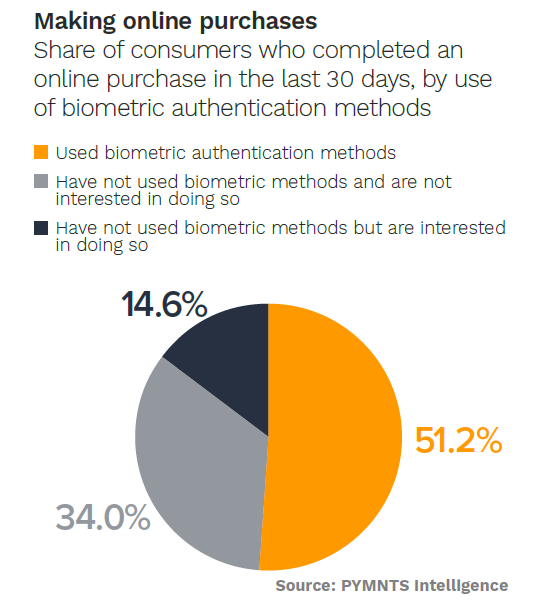
As the use of facial recognition software continues to expand around the world, concerns about privacy and human rights violations have reignited the debate surrounding this technology. On Friday (Oct. 6), a bipartisan group of 65 British lawmakers called for an immediate ban on live facial recognition surveillance on U.K. streets by both the police and private companies, Reuters reported. The use of the technology in the United Kingdom has faced consistent criticism from organizations advocating for civil liberties, including Amnesty International, and faces a proposed ban in the European Union under the EU’s landmark artificial intelligence (AI) regulation. On one hand, law enforcement officials have expressed optimism about the transformative potential of facial recognition technology in criminal investigations, but privacy advocates are concerned about privacy, human rights and the lack of sufficient regulation. The U.K.’s call for a ban on facial recognition comes at a time when other governments are taking steps to address concerns about biometrics. For example, China’s Cyberspace Administration (CAC) has introduced draft regulations calling for limits on facial recognition, proposing instead the use of non-biometric means to identify people. “The use of face recognition technology to process face information shall obtain the individual’s individual consent or obtain written consent in accordance with the law,” the proposal noted, per an Aug. 8 PYMNTS report. “If there are non-biometric verification technologies for achieving a similar purpose or business requirements, those non-biometric verification methods should be preferred.” In May, the Federal Trade Commission (FTC) issued a policy statement warning that the technology could lead to discrimination and violations of privacy. “In recent years, biometric surveillance has grown more sophisticated and pervasive, posing new threats to privacy and civil rights,” Samuel Levine, director of the FTC’s Bureau of Consumer Protection, said. “Today’s policy statement makes clear that companies must comply with the law regardless of the technology they are using.” Young Consumers Drive Biometric Adoption Meanwhile, most U.S. consumers seem unfazed by the intensifying debate surrounding AI facial recognition and continue to embrace biometrics tools as their most preferred way to authenticate payments. In fact, out of 60% of consumers who completed online purchases in a given period, 51% used biometric authentication to validate their transactions, eliminating the need to remember passwords or enter credit card information. This is one of the key findings in “Tracking the Digital Payments Takeover: Biometric Authentication in the Age of Mobile,” a PYMNTS Intelligence and AWS collaboration. The study also reveals that facial recognition and fingerprint scans are the most popular biometric methods, with approximately 28% and 49% of consumers, respectively, adopting them. Moreover, nearly 60% of facial recognition users use the method more than once weekly. Another interesting finding from the research is the contrast in biometric authentication adoption across different generations. While 84% of baby boomers and seniors have not used biometric authentication methods in the past 30 days, three out of four Gen Z and millennial consumers have incorporated biometrics into their routines. Among these younger generations, facial recognition is particularly popular among Gen Z consumers (51%) while millennials are more likely to prefer fingerprint scans, with 42.1% using them. Ultimately, the widespread adoption of biometric authentication tools by consumers signals a shift toward more convenient and secure payment methods. However, the balance between convenience and safeguarding individual rights and data will be a critical point of discussion in the evolving landscape of digital payments and biometrics. The coming years will likely bring further developments and changes as technology advances and society grapples with the implications of these innovations.The post Facial Recognition Debate Gathers Steam Despite Popularity Among Gen Z Consumers first appeared on PYMNTS.com.