Blockchain Technology in Online Casinos: An Evolutionary Step?
Resumen
The post Blockchain Technology in Online Casinos: An Evolutionary Step? appeared first on Coinpedia Fintech News The advent of blockchain technology has been nothing short of revolutionary, permeating various sectors like finance, healthcare, supply chains, and more. One industry that stands to benefit significantly from the blockchain’s disruptive power is online casinos. However, the integration of blockchain into these platforms is more than just a technological upgrade; it could represent an evolutionary leap in terms of security, fairness, and transparency. This article aims to break down how blockchain technology is poised to reshape the landscape of online casinos. Photo by Pascal Bernardon on Unsplash The Popularity of Online Casino Games While traditional casinos have been around for centuries, online platforms are now enjoying unprecedented popularity. The ease of accessibility and variety of options have attracted a broad audience. For example, you will find numerous variations of blackjack offered online. 21+3 blackjack is one such variation available at many online blackjack tables. In this game, while you still aim for a standard blackjack hand to reach 21, there’s an additional layer: a side bet on making a three card poker hand using your hole cards and the dealer’s up card. The side bet is where the “21+3” comes from. It adds a nuanced level of strategy to a well-known game, keeping both novices and seasoned players engaged. This trend toward diversification and complexity in online games is indicative of why the industry is ripe for blockchain technology. What Blockchain Technology Can Offer One of the most compelling reasons to integrate blockchain into online casinos is its enhanced security. In a conventional online platform, all the data is stored in centralized servers, which are vulnerable. Blockchain technology decentralizes this information, drastically reducing the chance of data breaches. This shift towards decentralized data storage elevates security and empowers users with greater control over their own data. The ensuing level of security fosters trust among users and is essential for the integrity of online activities. Transparency is another significant advantage blockchain offers. For instance, blockchain can make the entire gaming process visible, from the initiation of a game to the final result. This means that both players and regulators can independently verify the fairness of a game. Traditional platforms can sometimes suffer from “black box” operations, where the algorithms determining game outcomes are hidden. With blockchain, everything is transparent, effectively eliminating concerns about fairness. In a conventional online casino, transactions often involve multiple intermediaries like banks or payment service providers, resulting in delays and extra costs. Blockchain tech, particularly cryptocurrencies, can streamline this process. Transactions between the platform and the user can occur directly, resulting in faster settlements and lower fees. The use of smart contracts can further automate this, making the process even more efficient. However, the volatility of cryptocurrencies is a challenge that needs careful management. Photo by Shubham Dhage on Unsplash Challenges and the Road Ahead Despite its potential, blockchain technology in online casinos is not without challenges. Regulatory hurdles, the learning curve associated with new technology, and volatility in cryptocurrency values are all areas that need attention. However, these challenges are not insurmountable. In fact, they represent opportunities for further innovation and refinement within the industry. Organizations collaborate with regulatory bodies to establish more straightforward frameworks, while developers continually work on making blockchain applications more user-friendly. Educational initiatives are also underway to help users navigate the blockchain landscape. With a proactive approach, the industry is well-poised to unlock blockchain’s full potential, overcoming these hurdles to usher in a new era of transparency, fairness, and security. In summary, the integration of blockchain technology into online casinos is more than just a passing trend. It represents a significant step forward in making these platforms more secure, transparent, and efficient. By decentralizing data storage, facilitating transparent transactions, and enhancing user experience, blockchain has the potential to reshape the online casino industry fundamentally. Like the arrival of innovative casino game variations that add layers of complexity and strategy, blockchain technology may become another milestone in the industry’s evolution, serving both players and operators in a more refined, trustworthy environment.
The Federal Trade Commission said it has been flooded with reports from consumers who have been taken in by scammers purporting to represent some of today…
FTC: Company Impersonation Scams Cost Consumers Millions of Dollars
Pagos
Resumen
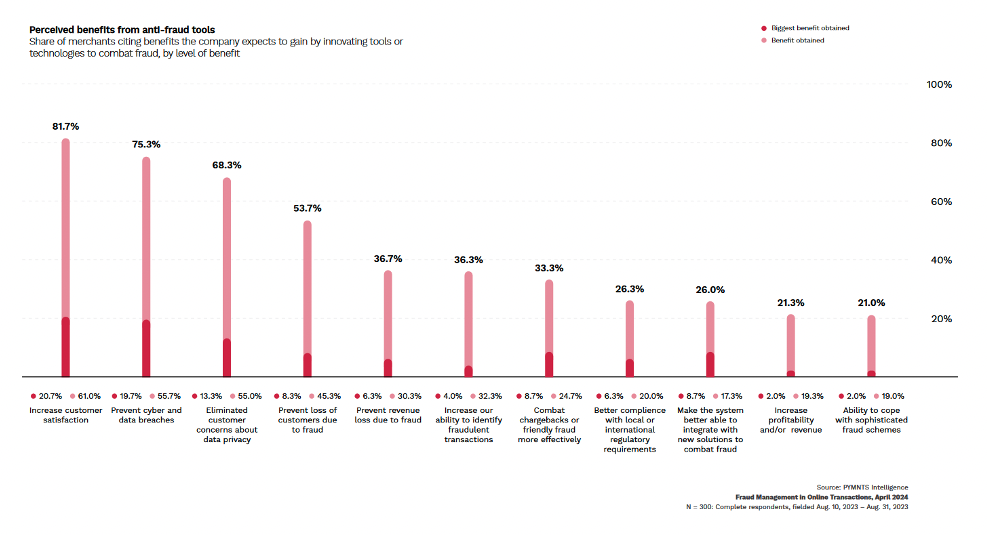
The Federal Trade Commission said it has been flooded with reports from consumers who have been taken in by scammers purporting to represent some of today’s leading companies. The FTC said Friday (May 24) that it received 52,000 consumer complaints in 2023 detailing scams where fraudsters claimed to represent Best Buy’s Geek Squad, which resulted in $15 million in consumer losses. Another 34,000 consumers reported losing $19 million to scam artists impersonating Amazon employees. PayPal impersonation frauds, meanwhile, cost consumers $16 million last year. These were the three leading impersonation scams, but the FTC said criminals pretending to represent Norton, Apple, Bank of America and Wells Fargo were also common last year. The tactics varied per swindle, the FTC said. Emails from fake Geek Squad representatives prompted consumers to share their credit card information to renew nonexistent service plans. Bogus Microsoft staffers alerted consumers about fake security breaches that could be resolved for a small price. Fraudsters claiming to represent Publishers Clearing House urged people to pay a modest fee so their nonexistent sweepstakes winnings could be delivered. To shield themselves from such hoaxes, the FTC said diligence is the first line of defense. Proceed with caution before paying anyone for anything or before clicking questionable links, the agency warned. The FTC also reminded businesses they have a role to play in protecting consumers. “At minimum, make it easier for customers to reach you to find out what communications are legit,” the FTC told merchants. “… [Look] to your workforce’s ingenuity to deploy solutions that protect your loyal customers and your good name.” The PYMNTS Intelligence report “Fraud Management in Online Transactions,” revealed that proactive fraud prevention on the part of merchants can help reinforce customer loyalty and satisfaction. The study found that 93% of eCommerce businesses saw improved customer experiences after integrating enhanced anti-fraud technologies. Of the 300 eCommerce executives who were surveyed for the report, 82% said increased consumer satisfaction would be the leading benefit following improved security measures. While 75% said upgrading fraud-prevention tools will help circumvent future cyber and data breaches — making it the No. 2 benefit — the next two leading benefits put the focus right back on the customer. Sixty-eight percent of merchants said enhancing fraud prevention tools will help mitigate customer concerns about data privacy, while 54% said it helps minimize customer churn. Only 37% said improving anti-fraud safeguards will help prevent future fraud losses. Merchants don’t have to go it alone. There are many third-party fraud prevention providers in the market, and PYMNTS Intelligence found that using external fraud-prevention expertise can pay off. Forty-four percent of merchants now outsource at least a portion of their fraud prevention operations to specialized third-party providers. Those surveyed in this group reported a lower average failed payment rate of 8.5% — 32% lower than the 13% rate experienced by businesses that opt to handle all their anti-fraud efforts internally. Although partnering with specialized third-party providers won’t put a dent in the millions of dollars consumers lose due to impersonation schemes, doing so can help merchants deliver on the FTC’s request to help protect customers. By doing so, businesses can improve their own internal security — and, in turn, boost customer satisfaction. The post FTC: Company Impersonation Scams Cost Consumers Millions of Dollars appeared first on PYMNTS.com.
Looking to protect the millions you've made from crypto during the Bitcoin-Ether ETF mania before this bull run comes crashing to an end? Here are a few i…
3 tips for protecting Bitcoin profits amid Ethereum ETF mania
Blockchain · Criptodivisas
Resumen
Looking to protect the millions you've made from crypto during the Bitcoin-Ether ETF mania before this bull run comes crashing to an end? Here are a few ideas.
Joint CFTC and SEC jurisdiction as outlined in the landmark legislation will add heavy compliance costs, bifurcate global crypto markets and undermine a n…
The Unintended Consequences of FIT21’s Crypto Market Structure Bill
Criptodivisas
Resumen
Joint CFTC and SEC jurisdiction as outlined in the landmark legislation will add heavy compliance costs, bifurcate global crypto markets and undermine a nascent industry in the U.S.
BlockDAG’s Rapid Climb As Leading Future Crypto With $32.4M Presale, Outshining Polygon’s Rally And PEPE’s Fall In the current cryptocurrency environment,…
BlockDAG’s Rapid Climb As Leading Future Crypto With $32.4M Presale, Outshining Polygon’s Rally And PEPE’s Fall In the current cryptocurrency environment, Polygon (MATIC) faces a stabilization period, while PEPE has experienced a notable decline from its peak. Amid these fluctuations, BlockDAG has risen as a pillar of innovation and promise. Lauded by influencers as the premier future cryptocurrency, BlockDAG has driven its presale to an impressive $32.4 million. It stands out with its advanced technology and a visionary approach to transforming the blockchain landscape. Is a Bull Run Approaching for Polygon (MATIC)? The market for Polygon shows signs of consolidation, hinting at possible bearish trends, yet MATIC has remained resilient, fluctuating within established support and resistance levels. A quick 40% rise in its value was short-lived, reverting to prior levels. Indicators like a bullish turn in the Gaussian channel predict resistance near $0.8 and the potential to escalate to $1, suggesting a possible breakout by late 2024 or early 2025. Has PEPE Reached Its Peak? PEPE recently achieved a record high, leading to a wave of profit-taking by investors. Having broken significant resistance levels, the token now risks a downturn as over 40% of holders begin to sell off their stakes. Should PEPE maintain levels above the recent peak, it might stabilize and attempt to reach new highs; otherwise, it could decline to $0.00000900 or below. BlockDAG’s Phenomenal Growth Fueled by Influencer Support BlockDAG’s presale has been exceptionally successful, raising over $32.4 million through the sale of 9.8 billion BDAG coins, thanks largely to endorsements from influential figures like Crypto Infinity. These endorsements have showcased BlockDAG’s innovative tokenomics and high-return potential, propelling its price upward and rewarding early investors with a 750% increase by the end of the 14th batch. The roadmap for BlockDAG focuses on implementing smart contracts, setting the coin’s initial market value, and launching strategic marketing initiatives. This plan outlines a progression from securing funding and forging strategic partnerships to preparing for the mainnet launch and concluding the presale phases. BlockDAG’s roadmap clearly illustrates its strategy to position itself as a top player in the cryptocurrency industry. BlockDAG’s strategy contrasts starkly with those of PEPE and Polygon. PEPE, driven by transient meme appeal, targets short-lived visibility, while Polygon’s approach is more cautious, focusing on scalability and interoperability for steady growth. In contrast, BlockDAG’s roadmap is ambitious, targeting rapid expansion and forecasting a monumental 30,000x ROI by 2030. Final Analysis As PEPE capitalizes on fleeting meme fame and Polygon advances with measured improvements, BlockDAG offers a more enticing investment opportunity. Its innovative strategies and strong support from influencers have propelled its presale to $32.4 million, achieving a 750% gain for early backers within just a few months. Unlike PEPE’s reliance on hype and Polygon’s gradual progression, BlockDAG uses strategic influencer collaborations and clear milestones to aim for exponential returns, setting a trajectory for a significant 30,000x ROI by 2030. This strategic positioning makes BlockDAG a compelling choice for investors focused on the future of cryptocurrency. Join BlockDAG Presale Now: Website: https://blockdag.network Presale: https://purchase.blockdag.network Telegram: https://t.me/blockDAGnetworkOfficial Discord: https://discord.gg/Q7BxghMVyu Disclosure: This is a sponsored press release. Please do your research before buying any cryptocurrency or investing in any projects. Read the full disclosure here. The post Polygon (MATIC) Bull Run | PEPE Price | BlockDAG’s Huge Presale appeared first on The Merkle News.