Ripple vs. SEC: John Deaton Sheds Light on the Weaknesses of the SEC’s Case Against XRP
Resumen
The post Ripple vs. SEC: John Deaton Sheds Light on the Weaknesses of the SEC’s Case Against XRP appeared first on Coinpedia Fintech News Recently, a series of tweets by John Deaton, the Founder of CryptolawUS and a prominent lawyer representing XRP holders. Nietzbux, a famous crypto enthusiast, ignited conversations about the flaws in the SEC’s arguments against Ripple. They propose that the SEC not only failed to argue that XRP is security convincingly, but it was also “out-lawyered” by Ripple and the XRP community. In our amicus brief we pointed out that the SEC relied on a tweet in 2014 by @chrislarsensf but not one of the 6 named XRP holders in the motion to intervene and amici were on Twitter in 2014. The SEC also used a brochure from 2014 that went to 100 potential investors. We pointed… https://t.co/ihQl6MQe3p pic.twitter.com/dXfRRWqlkz— John E Deaton (@JohnEDeaton1) October 4, 2023 Nietzbux argues that Ripple’s brief shows that most Howey Test requirements—criteria used to determine if an asset is a security—were not met. This is significant because all Howey Test requirements must be satisfied for an asset to be classified as a security. John Deaton, Pro-XRP lawyer & founder of CryptolawUS, submitted an amicus brief that effectively picked apart the SEC’s argument, laying bare its reliance on outdated and speculative evidence. Deaton pointed out several weak links in the SEC’s evidentiary chain. For example, the SEC based some cases on a 2014 tweet by Chris Larsen, Ripple’s co-founder, but failed to provide evidence that any of the six named XRP holders in the motion to intervene were even on Twitter in 2014. Moreover, Deaton underscored that the SEC used a 2014 brochure aimed at 100 potential investors as evidence yet failed to prove that these investors relied on the brochure when purchasing XRP. “The SEC’s strongest piece of evidence was that Ripple’s website listed where people could acquire XRP,” Deaton says. However, his amicus brief nullified this claim by mentioning that CNBC and other non-Ripple entities also provided such information. In a compelling conclusion, Deaton questioned the real motives behind the SEC’s case, stating it was “dead in the water from the start.” He hints that the case might not have been filed to uphold securities laws but perhaps for other undisclosed reasons. This raises further questions about the SEC’s credibility and objectives in this landmark case. Nietzbux quickly endorsed Deaton’s arguments, summarizing that the SEC was “out-lawyered” by Ripple and that the regulatory body was “objectively wrong on the facts.” As Nietzbux succinctly put it, the core issue comes down to lawyering. It’s not necessarily about whether XRP is a security, but whether the SEC could convince the courts that it is. Based on Deaton’s well-crafted amicus brief and Ripple’s robust legal defense, the SEC appears to have found itself in murky waters.
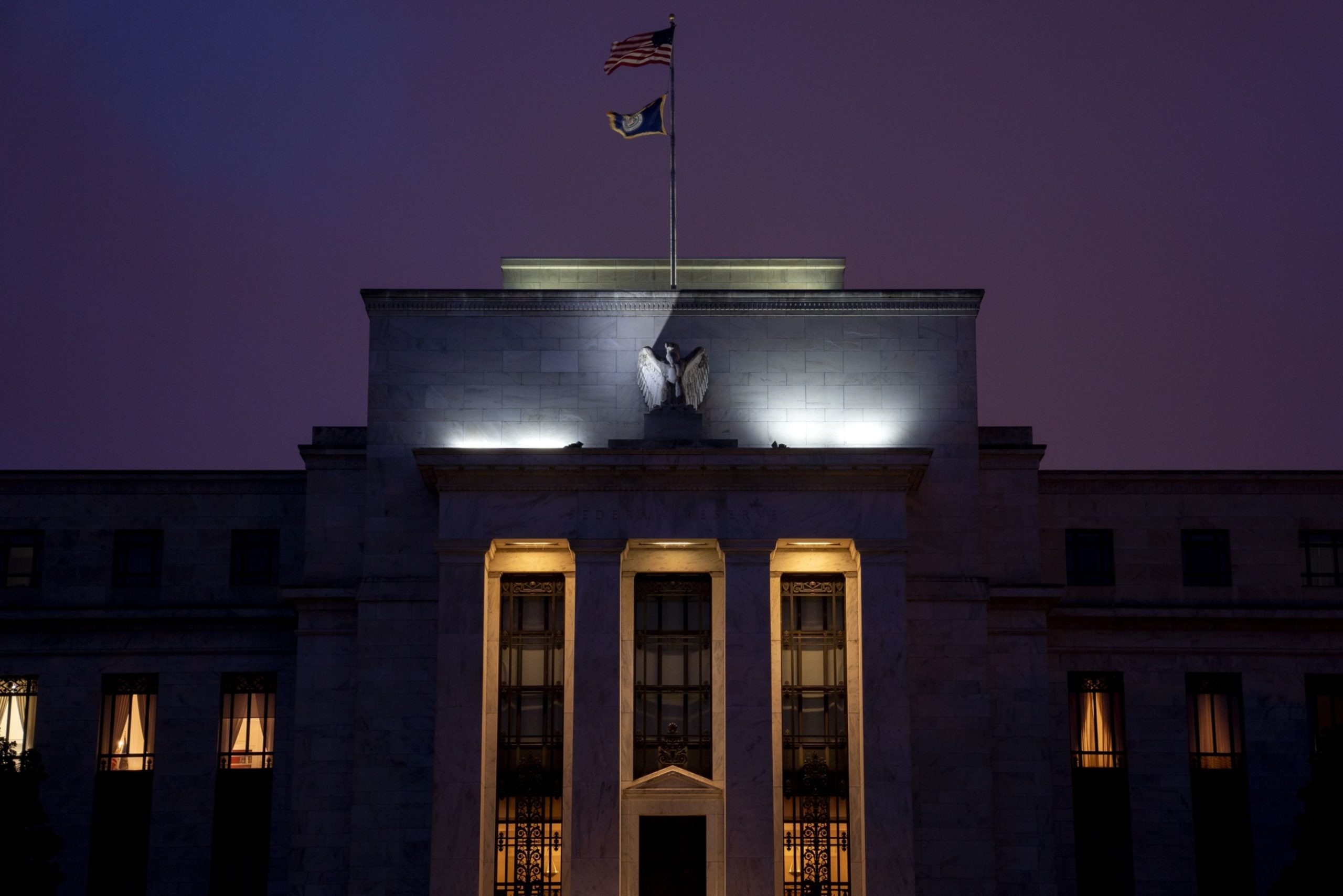
The Clearing House’s RTP network and The Fed's FedNow network are prepared to tackle interoperability eventually — but for now, its value remains minimal.
FedNow, RTP interoperability is inevitable — down the line
Criptodivisas
Resumen
The Clearing House’s RTP network and The Fed's FedNow network are prepared to tackle interoperability eventually — but for now, its value remains minimal.
The post Solana Struggles Amid Intense Bearish Pressure at Resistance Lines: What’s Next for SOL Price appeared first on Coinpedia Fintech News Solana pri…
Solana Struggles Amid Intense Bearish Pressure at Resistance Lines: What’s Next for SOL Price
Blockchain · Criptodivisas
Resumen
The post Solana Struggles Amid Intense Bearish Pressure at Resistance Lines: What’s Next for SOL Price appeared first on Coinpedia Fintech News Solana price has been declining steeply following the SEC’s approval of spot Ethereum ETFs. For example, the SOL/ETH pair, which is closely monitored, has dropped by 16.8% since May 17 following the U.S. Securities and Exchange Commission’s (SEC) request for Ether ETF applicants to revise their 19b-4 filings. Additionally, there’s a decline in activity in the SOL ecosystem, suggesting further bearish pressure on the edge. Analysts Expect SOL ETF By 2025 Solana might be losing its momentum to Ethereum following SEC’s approval of spot ETH ETF. However, analysts believe that Solana is not far from having its own ETF. Geoffrey Kendrick, an analyst at Standard Chartered, predicts that SOL and XRP ETFs could receive approval by 2025. Kendrick suggests that the recent approval of the ETH ETF implies that Ether and altcoins may not be classified as securities. Analysts from The Birb Nest have observed that discussions around a Solana ETF are surging on crypto Twitter and in media circles, indicating that it’s likely to happen. The total value locked (TVL) within the Solana ecosystem experienced a notable decline in May. As of May 23, there were 27.48 million SOL locked, down from the monthly peak of 29.4 million SOL. This decline in Solana’s TVL was particularly sharp after May 20, following reports on the potential approval of spot Ether ETFs. On that date, the TVL was recorded at 28.3 million SOL, suggesting that the news about the Ether ETFs might have triggered the withdrawals from the Solana ecosystem. Since the Ethereum ETF approval on May 20, Solana node validators started rapidly withdrawing funds. Initially holding 368.8 million SOL in staking contracts, they withdrew 3.5 million SOL by May 24, reducing the active staking to 365.3 million SOL. Also read: Analyzing the Effect of Approval of Ethereum ETF on Solana: Market Trends and Price Prediction With Solana’s current price at $167, these unstaked SOL are valued at approximately $580 million. Such significant withdrawals from a Proof-of-Stake (PoS) network generally lead to short-term price declines. What’s Next For SOL Price? Solana price failed to break above $190 as sellers strongly defended a surge above that level, resulting in a steep decline below immediate Fib channels. SOL price dropped below its EMA trend lines too; however, buyers defended further drops below $160. As of writing, SOL price trades at $166, declining over 4% in the last 24 hours. SOL price is struggling to surpass the EMA20 trend line, indicating continued bearish pressure at higher levels. The declining EMA trend lines and the RSI level heading toward the oversold region suggest a rising dominance in bearish positions. Should buyers push past the descending resistance line, the SOL/USDT pair might aim to retest the significant resistance at $192. A break above this level might send the SOL price toward $210.
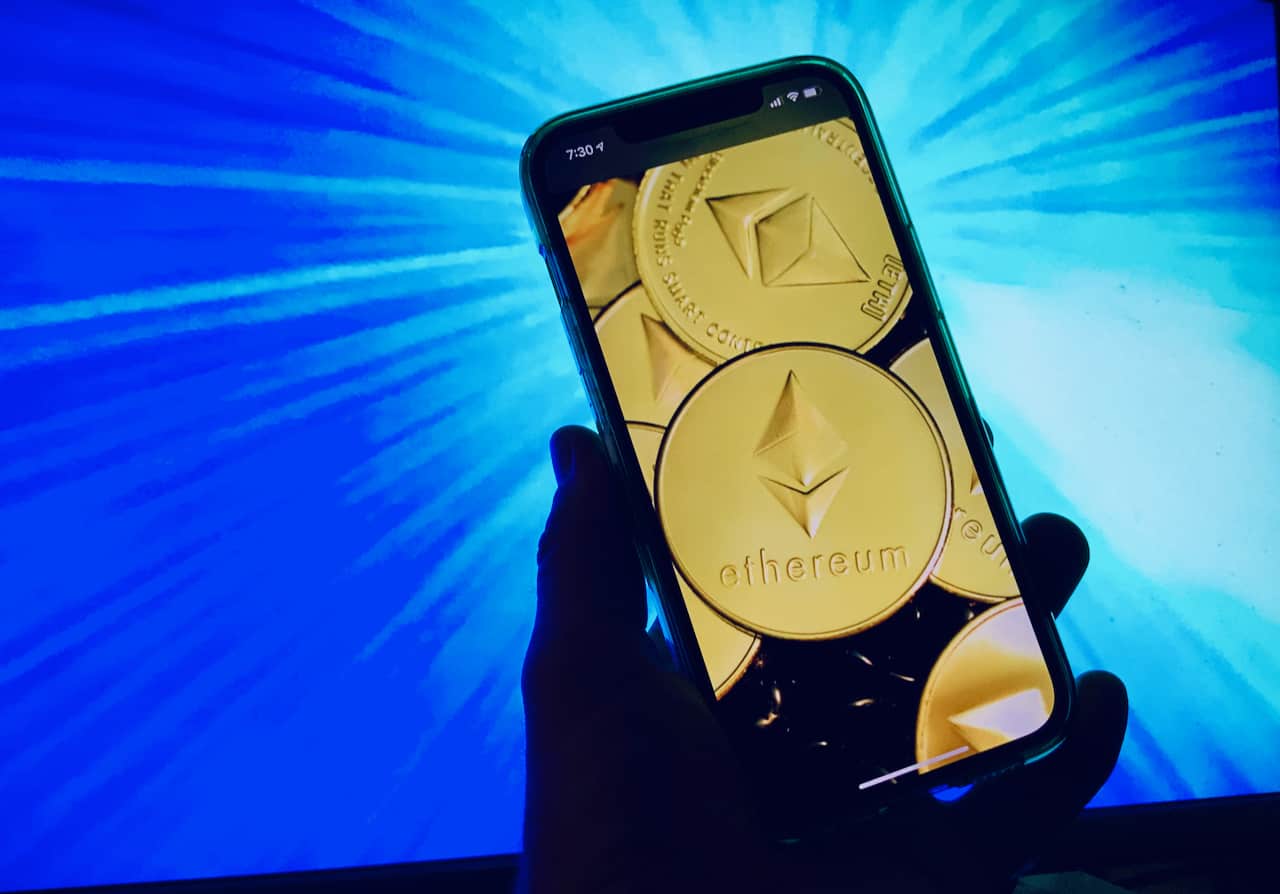
The Securities and Exchange Commission (SEC) is poised to green-light Ethereum (Ether) ETFs after years of pushback. As of this writing, it was not clear …
The Securities and Exchange Commission (SEC) is poised to green-light Ethereum (Ether) ETFs after years of pushback. As of this writing, it was not clear as
Servicios: Binance, YouHodler, Digital Asset, Lolli, Ethereum, Coinbase, Bitcoin