Some Consumers Might Need Rewards and Discounts to Try Biometric Logins
Resumen
Biometric authentication, a technology that uses unique physical or behavioral traits for identity verification, has gained popularity in recent years. In fact, according to joint PYMNTS Intelligence-AWS study “Tracking the Digital Payments Takeover: Biometric Authentication in the Age of Mobile,” of the nearly 60% of consumers completed online purchases in the last 30 days, 51% used biometric authentication to validate their transactions, eliminating the need to remember passwords or enter credit card information. However, not all consumers have embraced biometrics’ potential, and convincing those who are not interested in adopting the technology can be a challenging task. According to the PYMNTS Intelligence study, baby boomers and seniors are the generation most likely to resist using biometrics. This resistance may stem from a lack of knowledge on how to use the technology or a preference for manually entering information. Additionally, a significant portion of Generation Z consumers who do not use biometrics express concerns about identity theft, indicating that security is a primary worry for this age group. One effective approach to persuade uninterested consumers to use biometrics is by offering rewards or discounts. The study found that 72% of uninterested consumers would be willing to use biometric methods if merchants provided such incentives. Additionally, one-third of consumers who have used biometric authentication methods also expressed their willingness to use it if rewards or discounts were offered. While offering incentives can be effective, it is important to consider the associated costs. Therefore, alternative strategies should also be explored. One such strategy is to increase the acceptance of biometric authentication among merchants. Two-thirds of consumers who already use biometrics for online shopping stated that they would use it more often if more merchants accepted this form of authentication, highlighting the importance of expanding the availability of biometric authentication across various platforms. Another aspect that can drive greater adoption is the ability to use biometric authentication on multiple devices. Over half of nonusers interested in using biometric authentication methods expressed openness to trying it if it could be used on multiple devices. This indicates the need for seamless integration across different devices to enhance user convenience and encourage adoption. Additionally, consumers value having control over the authentication process. A significant percentage of biometric users emphasized the importance of having more control over how often authentication is required. This suggests that allowing users to customize the frequency of authentication can contribute to a more positive user experience and potentially increase adoption rates. In conclusion, convincing consumers who are not initially interested in using biometrics to adopt this technology may be challenging, but various strategies can be employed to overcome these obstacles. Offering rewards and discounts, expanding merchant acceptance, enabling multi-device usage, and providing users with more control over the authentication process are all promising approaches. By implementing these strategies, merchants can encourage wider adoption of biometric authentication, enhancing security and convenience for consumers in the digital age. The post Some Consumers Might Need Rewards and Discounts to Try Biometric Logins first appeared on PYMNTS.com.
The post Analyzing the Effect of Approval of Ethereum ETF on Solana: Market Trends and Price Prediction appeared first on Coinpedia Fintech News The news …
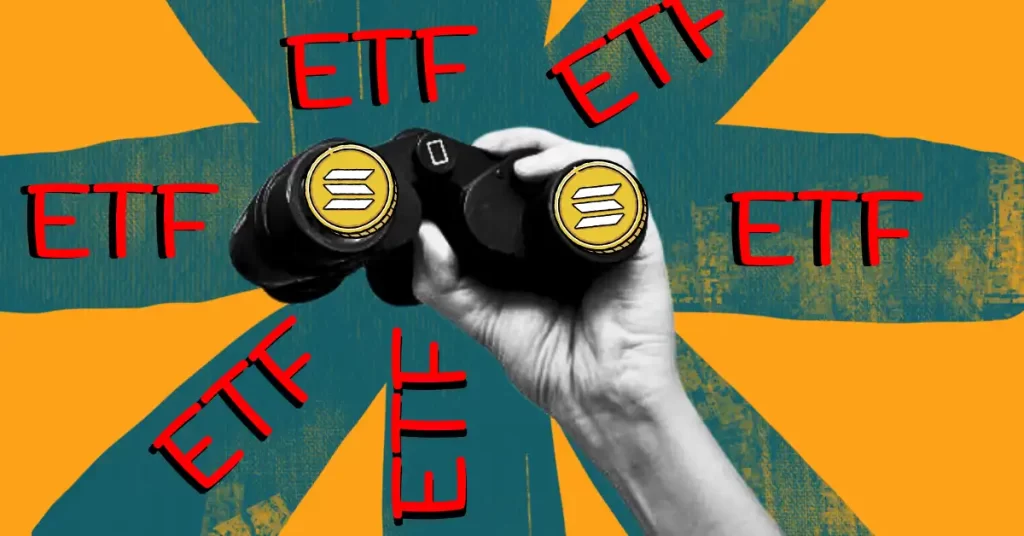
Analyzing the Effect of Approval of Ethereum ETF on Solana: Market Trends and Price Prediction
Blockchain · Criptodivisas
Resumen
The post Analyzing the Effect of Approval of Ethereum ETF on Solana: Market Trends and Price Prediction appeared first on Coinpedia Fintech News The news of the approval of Ethereum ETFs by the U.S. Securities and Exchange Commission has influenced the cryptocurrency market immensely, particularly affecting Solana. Within this regulatory change, market experts indicate the rapidly changing dynamics and what it means for Solana investors. Solana’s Potential for an ETF With the approval of the Ethereum ETF by the US SEC, the question of whether Solana might also have an ETF emerges. Borovik, an observer on social platform X, indicated that the same similarities exist between Ethereum and Solana, to imply possibly a future route for the ETF of Solana. Ethereum getting a spot ETF literally means that Solana can get one also– both held an ICO– They both do the same thing– they are both used in the same wayI bet Solana gets an ETF during Trumps term— borovik (@3orovik) May 23, 2024 Anthony Scaramucci, the cofounder of SkyBridge Capital, shares a similar view that a SOL ETF will be announced in the future, citing the importance of Solana in the crypto space. Regulatory Hurdles and Market Response While some experts are optimistic about the possibility of a SOL ETF, regulatory difficulties will have to be overcome. Solana, being an altcoin, is under the radar of the SEC as it is considered an unregistered security. While the SEC has allowed Bitcoin and Ethereum to be considered commodities, Solana has no such recognition. Its recent approval of the spot ETF of Ethereum would underscore this regulatory complexity and subsequently Solana’s short-term price movement. Solana’s Price Volatility Amid Market Dynamics Following the Ethereum ETF approval, Solana has seen significant price movements. Its price dipped to a 7-day low following Ethereum’s market dominance and as the market became cautious. Observers note that there exists a connection between regulatory acceptance of Ethereum and price volatility in Solana, which indicates that major cryptocurrencies are in a correlated response to regulatory shifts. Recent staking trends have been reflective of a more cautious approach from Solana investors and node validators. As Ethereum ETFs continue to attract the attention of institutions, Solana stakeholders pulled out substantial amounts of SOL from staking contracts, possibly fearful of market uncertainties. This amount of unstaking reflects investors’ fears over the bearish impact it could have on the price trajectory of Solana. Price Forecast and Market Outlook In spite of Solana’s bounce above key support levels, sentiment in the futures markets remains bearish. Short traders dominate the scene, betting that SOL price would fail to break past key resistance levels. With significant leverage SHORT positions in play, Solana will find it hard to sustain a price uptrend in the near term. Key resistance areas and psychological support levels are telling insights into Solana’s short-term price movements amidst evolving market dynamics.
HSBC today announced the inauguration of its new U.S. headquarters at The Spiral, a renowned office building in New York City’s Hudson Yards neighborhood,…
HSBC today announced the inauguration of its new U.S. headquarters at The Spiral, a renowned office building in New York City’s Hudson Yards neighborhood, marking its largest U.S. relocation to date.
On the latest episode of Hashing It Out, Avail’s co-founder explains the need to unify multiple networks in the Web3 space, not just ideologically but thr…
Hashing It Out: Navigating the next wave of Web3 with Avail’s Anurag Arjun
Criptodivisas
Resumen
On the latest episode of Hashing It Out, Avail’s co-founder explains the need to unify multiple networks in the Web3 space, not just ideologically but through innovation.