The post The SEC’s Opposition to Coinbase: Full of Holes? appeared first on Coinpedia Fintech News The SEC has recently filed its opposition to Coinbase’s motion to dismiss their case. While Paul Grewal, the Chief Legal Officer of Coinbase, has been vocally critical of the SEC’s approach, the insights from Miles Jennings add more weight to tearing apart the SEC’s arguments. According to him, the SEC’s theory of an investment contract has “endless breadth,” even if one agrees with their main contention—that investment contracts don’t require legal contracts—the SEC’s case should still fall flat. The SEC's opposition to @coinbase's motion has a lot of holes. Even if the court were to agree with the SEC's main contention (that investment contracts don't require legal contracts), the SEC's case should still fail.As we discussed in our brief in August, the SEC's theory of… https://t.co/RTzlutSM9t— miles jennings (@milesjennings) October 3, 2023 Jennings notes that the SEC’s approach uproots the bedrock requirements of the Howey test. For those uninitiated, the Howey test originates from the Supreme Court’s ruling in SEC v. W.J. Howey Co., which essentially classifies an investment contract as a scheme where a person is led to expect profits solely from the efforts of a third party or promoter. It doesn’t stop there. Jennings warns that the SEC’s current approach could potentially destabilize various sectors of the economy. If everything from oil to Taylor Swift tickets could fall under securities laws, where does that leave traditional markets and consumer behavior? Regulatory Overreach? Paul Grewal raises a pertinent question about the SEC’s sweeping claims. According to Grewal, the SEC’s arguments could imply that everything from Pokemon cards to Swiftie bracelets could be considered securities. Grewal slams the SEC for their “regulation by enforcement” approach, disregarding the calls from the 52-million-strong crypto constituency in the U.S. for more transparent and fairer rules. Last week, founders from over 40 crypto companies joined the ‘Stand With Crypto’ movement in Washington, D.C., to urge legislation protecting consumers and fostering innovation. This call for legislative clarity contrasts sharply with the SEC’s existing approach. It complements the viewpoints of experts like Miles Jennings, who push for a more transparent, rational basis for regulation. The Core of the Case The legal battle focuses on whether Coinbase acted as an intermediary in transactions involving “investment contracts,” thus subjecting them to federal securities laws. While the SEC holds that the transactions fulfill the Howey test, Coinbase and Jennings argue that the transactions do not necessarily involve “investment contracts.” They should not be subject to such laws. With Coinbase expected to file their reply on October 24, this legal battle is far from over. While the SEC appears to remain firm in their stance, the collective voices from the crypto community and experts like Jennings could tip the scales in favor of a more reasonable and innovation-friendly regulatory framework.
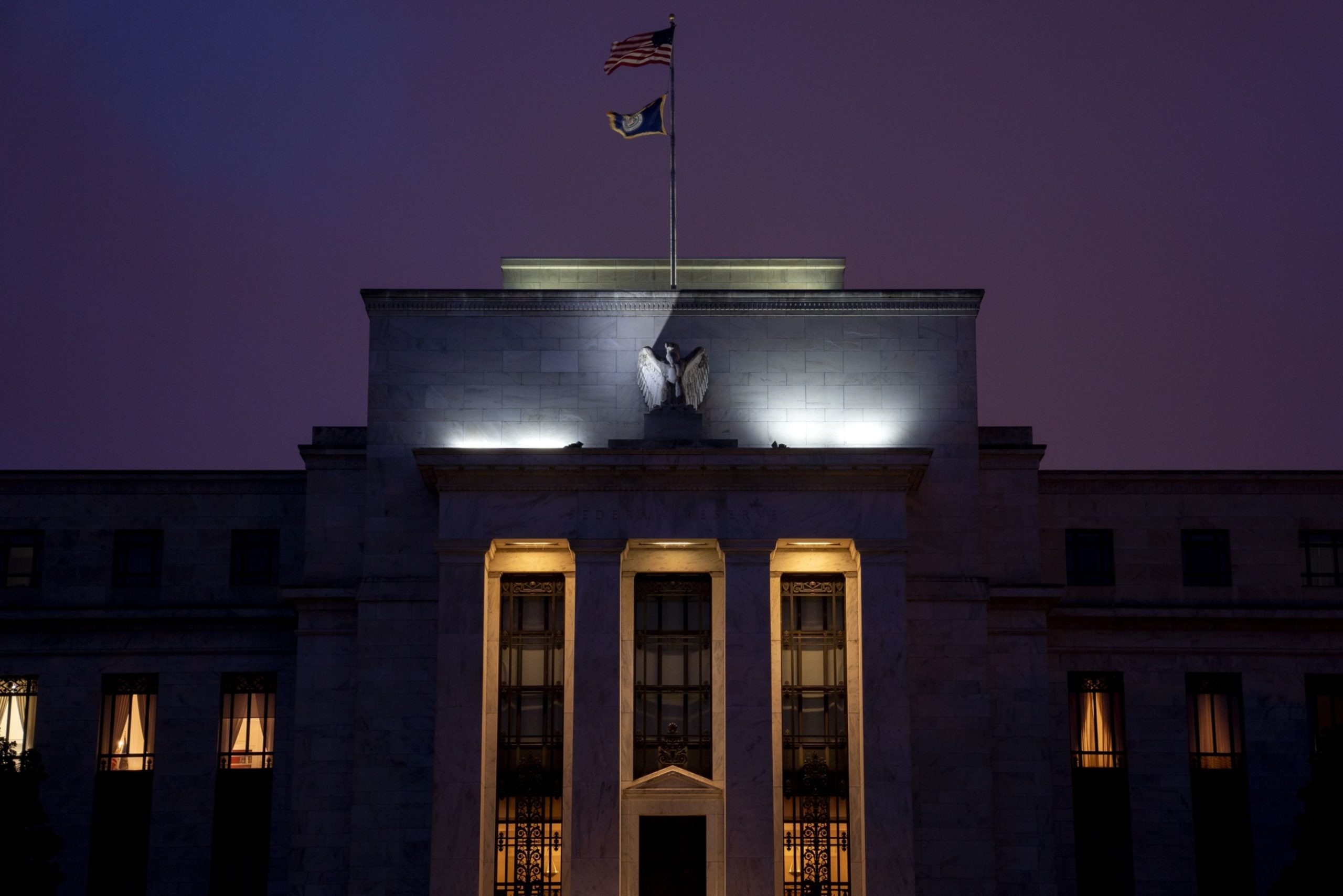
The Clearing House’s RTP network and The Fed's FedNow network are prepared to tackle interoperability eventually — but for now, its value remains minimal.
FedNow, RTP interoperability is inevitable — down the line
Criptodivisas
Resumen
The Clearing House’s RTP network and The Fed's FedNow network are prepared to tackle interoperability eventually — but for now, its value remains minimal.
The post Solana Struggles Amid Intense Bearish Pressure at Resistance Lines: What’s Next for SOL Price appeared first on Coinpedia Fintech News Solana pri…
Solana Struggles Amid Intense Bearish Pressure at Resistance Lines: What’s Next for SOL Price
Blockchain · Criptodivisas
Resumen
The post Solana Struggles Amid Intense Bearish Pressure at Resistance Lines: What’s Next for SOL Price appeared first on Coinpedia Fintech News Solana price has been declining steeply following the SEC’s approval of spot Ethereum ETFs. For example, the SOL/ETH pair, which is closely monitored, has dropped by 16.8% since May 17 following the U.S. Securities and Exchange Commission’s (SEC) request for Ether ETF applicants to revise their 19b-4 filings. Additionally, there’s a decline in activity in the SOL ecosystem, suggesting further bearish pressure on the edge. Analysts Expect SOL ETF By 2025 Solana might be losing its momentum to Ethereum following SEC’s approval of spot ETH ETF. However, analysts believe that Solana is not far from having its own ETF. Geoffrey Kendrick, an analyst at Standard Chartered, predicts that SOL and XRP ETFs could receive approval by 2025. Kendrick suggests that the recent approval of the ETH ETF implies that Ether and altcoins may not be classified as securities. Analysts from The Birb Nest have observed that discussions around a Solana ETF are surging on crypto Twitter and in media circles, indicating that it’s likely to happen. The total value locked (TVL) within the Solana ecosystem experienced a notable decline in May. As of May 23, there were 27.48 million SOL locked, down from the monthly peak of 29.4 million SOL. This decline in Solana’s TVL was particularly sharp after May 20, following reports on the potential approval of spot Ether ETFs. On that date, the TVL was recorded at 28.3 million SOL, suggesting that the news about the Ether ETFs might have triggered the withdrawals from the Solana ecosystem. Since the Ethereum ETF approval on May 20, Solana node validators started rapidly withdrawing funds. Initially holding 368.8 million SOL in staking contracts, they withdrew 3.5 million SOL by May 24, reducing the active staking to 365.3 million SOL. Also read: Analyzing the Effect of Approval of Ethereum ETF on Solana: Market Trends and Price Prediction With Solana’s current price at $167, these unstaked SOL are valued at approximately $580 million. Such significant withdrawals from a Proof-of-Stake (PoS) network generally lead to short-term price declines. What’s Next For SOL Price? Solana price failed to break above $190 as sellers strongly defended a surge above that level, resulting in a steep decline below immediate Fib channels. SOL price dropped below its EMA trend lines too; however, buyers defended further drops below $160. As of writing, SOL price trades at $166, declining over 4% in the last 24 hours. SOL price is struggling to surpass the EMA20 trend line, indicating continued bearish pressure at higher levels. The declining EMA trend lines and the RSI level heading toward the oversold region suggest a rising dominance in bearish positions. Should buyers push past the descending resistance line, the SOL/USDT pair might aim to retest the significant resistance at $192. A break above this level might send the SOL price toward $210.
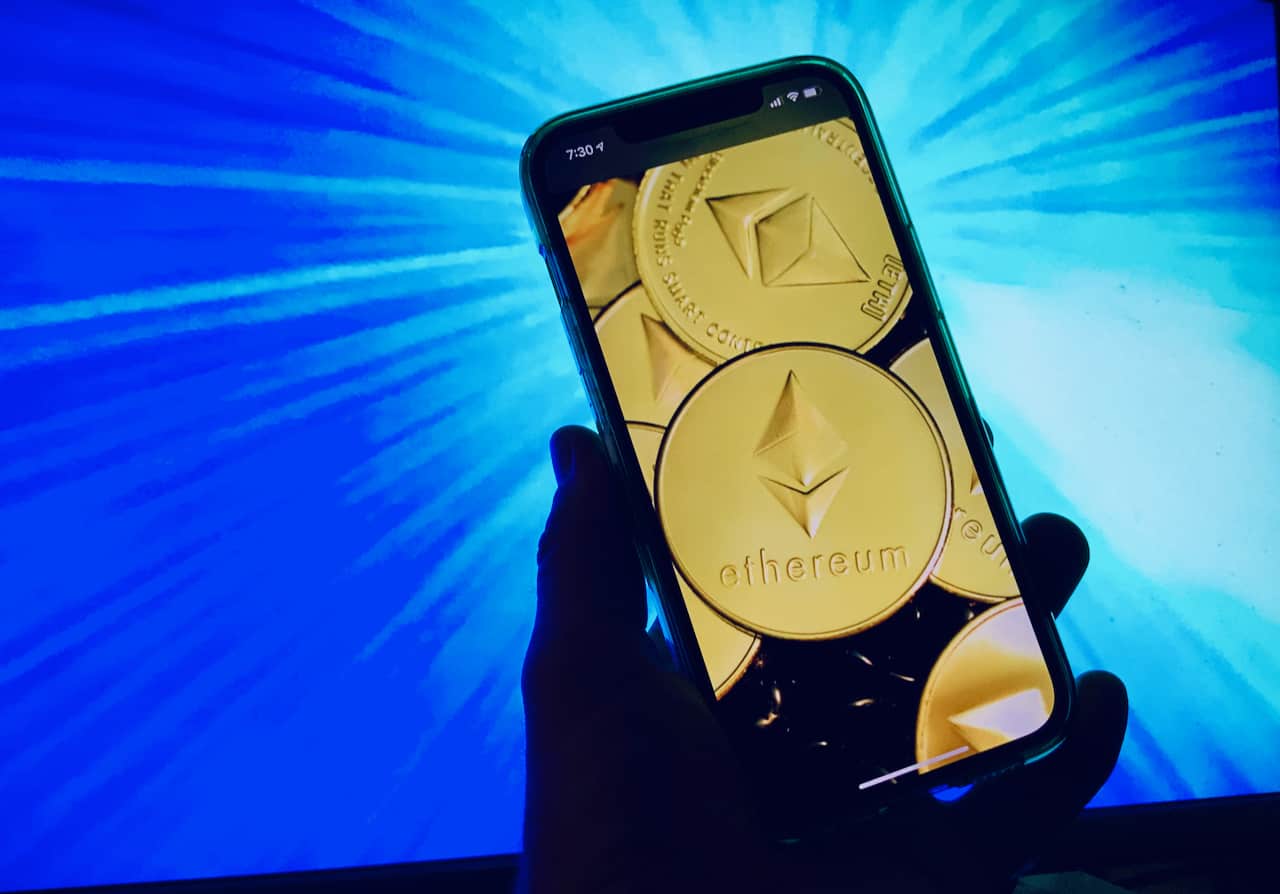
The Securities and Exchange Commission (SEC) is poised to green-light Ethereum (Ether) ETFs after years of pushback. As of this writing, it was not clear …
The Securities and Exchange Commission (SEC) is poised to green-light Ethereum (Ether) ETFs after years of pushback. As of this writing, it was not clear as
Servicios: Binance, YouHodler, Digital Asset, Lolli, Ethereum, Coinbase, Bitcoin