Binary Options Trading on Cryptocurrencies: Exploring Challenges and Opportunities
Summary
The post Binary Options Trading on Cryptocurrencies: Exploring Challenges and Opportunities appeared first on Coinpedia Fintech News In the ever-evolving landscape of financial markets, the intersection of cryptocurrency and binary options trading has emerged as a topic of great interest. Binary options trading has gained traction due to its simplicity and potential for high returns, while cryptocurrencies like Bitcoin and Ethereum have captivated investors with their unprecedented volatility and promise of technological disruption. Combining these two worlds, binary options trading on cryptocurrencies presents a unique set of challenges and opportunities that traders need to be aware of. Understanding Binary Options Trading Before delving into the specifics of trading binary options on cryptocurrencies, let’s first understand the basics of binary options trading itself. Binary options are a type of financial derivative where the trader makes a prediction about the price movement of an underlying asset within a specified timeframe. Unlike traditional trading, where the magnitude of price movement matters, binary options traders only need to predict whether the price will be above or below a certain strike price at the expiration of the option. This simplicity is both the allure and the challenge of binary options trading. On one hand, the fixed nature of the outcome allows for straightforward risk management and the potential for substantial gains. On the other hand, the binary nature of the options means that if the prediction is incorrect, the trader could lose the entire investment. The World of Cryptocurrencies Cryptocurrencies have disrupted traditional financial systems and captured the imagination of investors worldwide. Bitcoin, often referred to as digital gold, introduced the concept of decentralized digital currency, paving the way for a multitude of other cryptocurrencies like Ethereum, Ripple, and Litecoin. One of the defining features of cryptocurrencies is their extreme price volatility. Prices can experience rapid and significant fluctuations within short timeframes, which can be both a blessing and a curse for traders. Challenges of Binary Options Trading on Cryptocurrencies Volatility as Double-Edged Sword While volatility presents an opportunity for potential gains, it also significantly amplifies the risks associated with binary options trading on cryptocurrencies. Sudden and unpredictable price swings can lead to unexpected outcomes, making accurate predictions more challenging. Traders need to carefully consider whether the volatility of the cryptocurrency market aligns with their risk tolerance and trading strategy. Regulatory Uncertainty The regulatory landscape for both cryptocurrencies and binary options varies greatly from one jurisdiction to another. Cryptocurrencies are still relatively new and are subject to evolving regulations that can impact their legality and usage. Binary options trading has also faced scrutiny in several countries due to concerns about transparency and investor protection. Traders need to navigate this complex regulatory environment and ensure they are trading on reputable and regulated platforms. Limited Market Hours Cryptocurrency markets operate 24/7, allowing traders to access the market at any time. However, binary options often have fixed expiry times, which can limit trading opportunities for those who want to capitalize on specific market events. Traders must carefully choose their options’ expiry times to align with their market analysis and strategy. Lack of Fundamental Analysis Traditional trading often involves fundamental analysis, where investors assess the underlying factors affecting an asset’s value. In the cryptocurrency market, where many assets lack traditional fundamentals like earnings reports or economic indicators, relying solely on technical analysis becomes more common. Binary options traders need to adapt their strategies to the unique characteristics of cryptocurrencies, focusing on price patterns, trends, and market sentiment. Opportunities in Binary Options Trading on Cryptocurrencies High Returns in Short Timeframes Binary options trading offers the potential for substantial returns within short timeframes. In the cryptocurrency market, where price movements can be swift and significant, traders can start binary trading on this website and have the chance to profit from these rapid fluctuations. However, it’s essential to remember that high returns come with high risks, and careful risk management is crucial. Diversification of Investment Portfolio For investors looking to diversify their portfolios, binary options on cryptocurrencies can offer an alternative asset class. Cryptocurrencies have a relatively low correlation with traditional financial markets, which means they can provide a hedge against more traditional investments like stocks and bonds. By integrating binary options trading on cryptocurrencies into their overall strategy, investors can potentially enhance their risk-adjusted returns. Leveraging Technological Tools The world of cryptocurrencies is intertwined with cutting-edge technology, including blockchain and decentralized finance (DeFi). Traders can leverage these technologies to gain insights, automate strategies, and access a wealth of market data. Algorithmic trading, for instance, can help traders execute strategies with precision and speed, taking advantage of fleeting market opportunities. Conclusion Binary options trading on cryptocurrencies merges the excitement of high-risk, high-reward trading with the unpredictability of the cryptocurrency market. Traders seeking to venture into this space must be aware of the unique challenges posed by the volatile nature of cryptocurrencies and the specific regulatory environment surrounding both binary options and digital assets. While the potential for substantial profits exists, so does the potential for significant losses. As with any trading endeavor, thorough research, risk management, and a clear understanding of one’s risk tolerance are essential. For those who can navigate the challenges and seize the opportunities, binary options trading on cryptocurrencies could provide a compelling addition to their repertoire.
Citigroup’s Treasury and Trade Solutions business is looking to hire someone to lead its global instant payments strategy amid the bank’s restructuring an…
On the job with … Citi TTS global head of instant payments director
Digital Currencies
Summary
Citigroup’s Treasury and Trade Solutions business is looking to hire someone to lead its global instant payments strategy amid the bank’s restructuring and efficiency efforts. The $2.2 trillion bank’s ideal candidate must have experience in the payments industry, be well versed in industry trends and capable of strategic thinking, a Citi spokesperson told Bank Automation
Consumers may be engaging more with eGrocery, but the sector continues to grow more slowly than online shopping overall, PYMNTS Intelligence indicates. By…
Online Grocery Shopping is Growing, But Not as Quickly as Retail
Payments
Summary
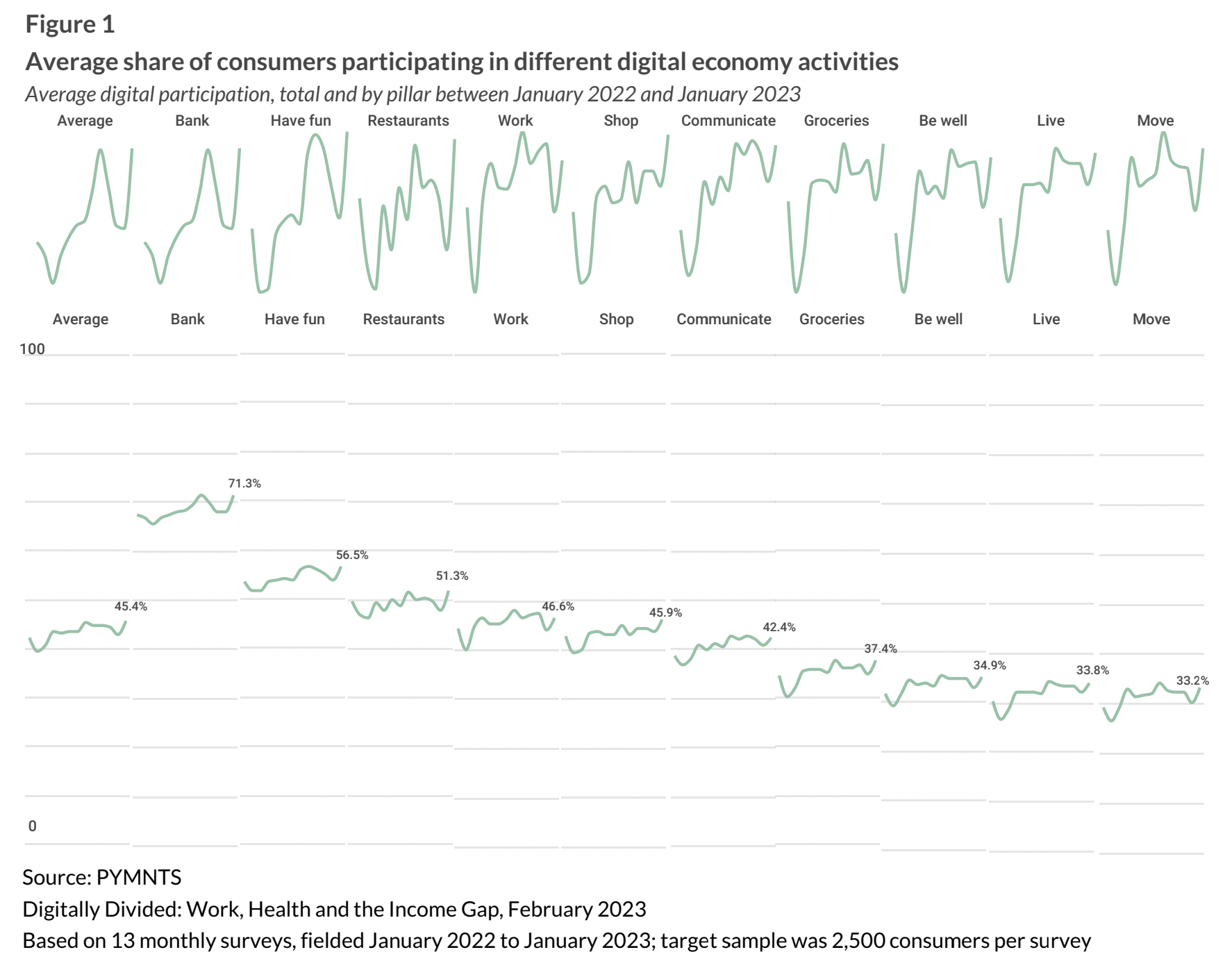
Consumers may be engaging more with eGrocery, but the sector continues to grow more slowly than online shopping overall, PYMNTS Intelligence indicates. By the Numbers As PYMNTS’ Karen Webster points out in a recent feature, “PYMNTS Intelligence’s analysis of 15,000 consumers across 11 countries every quarter over the last three calendar years reveals that for every 10% increase in online shopping there is a 7% increase in using digital channels to shop for groceries and to access healthcare services.” The Data in Context Grocers are doing everything in their power to drive digital engagement. For instance, multinational grocer Ahold Delhaize’s U.S. eCommerce arm, Peapod Digital Labs, announced Wednesday (Oct. 4) the launch of native apps for its banners, supplementing their existing mobile-optimized sites. “Efficiency wasn’t the only priority,” Paul Yang, Peapod Digital Labs’ director of mobile engineering, said in a statement. “It’s also our aim to create a more modern interface with aesthetic representative of each of the brands, complete with animations to bring moments of delight into what is typically a transactional experience.” It is not only grocers looking to drive adoption. Technology providers in the space are aiming to do the same. Grocery aggregator Instacart, for its part, just expanded its partnership with Mastercard, per an announcement Thursday (Oct. 5) by the payments giant, to offer perks to cardholders such as order discounts, reduced service fees and free trials of its delivery membership. “This new embedded benefit builds on Instacart and Mastercard’s strong partnership, which includes powering shopper credit cards and co-branding our consumer credit card,” Heather Rivera, Instacart’s vice president of strategy, corporate development and partnerships, said in a statement. “Instacart has become an indispensable service for millions of customers across North America and we’re excited for cardholders to experience the ease and convenience of shopping with Instacart.”The post Online Grocery Shopping is Growing, But Not as Quickly as Retail first appeared on PYMNTS.com.
Central bank digital currencies (CBDCs) are poised to give politicians unprecedented power to track your data, restrict your movements, and control your l…
How will CBDCs be used for political oppression in your country?
Digital Currencies
Summary
Central bank digital currencies (CBDCs) are poised to give politicians unprecedented power to track your data, restrict your movements, and control your life.
This week in grocery news, Ahold Delhaize USA grocers adopt new direct ordering apps, Ocado reportedly doubles down on automation, and online discount gro…
Grocers Push for Direct Fulfillment Amid Industry’s Digitization
Business Tools · Payments
Summary
This week in grocery news, Ahold Delhaize USA grocers adopt new direct ordering apps, Ocado reportedly doubles down on automation, and online discount grocer Martie launches nationwide. Multinational grocer Ahold Delhaize’s United States eCommerce arm, Peapod Digital Labs, announced Wednesday (Oct. 4) the launch of a native mobile app, with the grocer’s Stop & Shop and Food Lion brands launching apps with this technology, where before their only mobile direct ordering channel was the grocers’ websites. “Efficiency wasn’t the only priority,” Peapod Digital Labs Director of Mobile Engineering Paul Yang said in a statement. “It’s also our aim to create a more modern interface with aesthetic representative of each of the brands, complete with animations to bring moments of delight into what is typically a transactional experience.” The news comes as grocers step up their direct ordering capabilities as Instacart grows, fueled by its recent initial public offering (IPO). A small share of consumers buys groceries online via mobile devices, but that share is likely to grow soon, according to PYMNTS Intelligence. “Tracking the Digital Payments Takeover: Catching the Coming eCommerce Wave,” created in collaboration with Amazon Web Services (AWS), drew from an April survey of nearly 2,700 U.S. consumers. The results revealed that 12% of grocery transactions occur online — 6% via mobile devices and 6% via computers. Yet the same study found that about 1 in 3 shoppers said they are very or extremely likely to increase their online grocery purchases in the next year. Ocado CEO Reportedly Pushes Back Against Automation Skepticism British grocery technology company Ocado Group, which licenses automation and eCommerce solutions out to grocers, is maintaining that the economics of automated warehouses work, despite criticism and skepticism, Bloomberg reported Wednesday. “Our clients at the moment are rolling them out not as fast as we would like, but we’re working on that,” founder and CEO Tim Steiner said, per the report. His comment comes after U.S. grocery giant Kroger, which is reportedly the tech company’s biggest buyer, slowed and then paused the expansion of its automated grocery delivery fulfillment centers created in partnership with Ocado. “Right now, all the energy is focused on the [automated fulfillment centers] we have and making sure that those are where we want them to be, where they need to be and on a sustainable basis,” Kroger Chairman and CEO Rodney McMullen told analysts on the grocer’s earnings call last month. “… A ton of work is being done. We’re making progress, but we wouldn’t be to the point where we would start focusing on additional sheds until we make sure that we have a clear path on the ones we have.” Demand for grocery delivery is sizable, PYMNTS Intelligence found. “12 Months of the ConnectedEconomy: 33,000 Consumers on Digital’s Role in Their Everyday Lives,” which drew from surveys of tens of thousands of U.S. consumers, revealed that by November, 40% of consumers reported that they had ordered groceries online for home delivery in the previous month. Discount eGrocer Martie Expands Nationwide In additional grocery delivery news, value-focused eGrocer Martie, which sells overstock items at discounted rates, is seizing on demand for lower-cost options, launching nationwide as many consumers struggle with the cost of leading providers. The company announced the expansion Wednesday, shipping shelf-stable goods across the country. “We are thrilled that every person in this country will have access to surplus items at a discounted rate, including specialty and premium items,” CEO and Co-founder Louise Fritjofsson said in a statement. “Martie promises significant savings and to always stock our online with the essentials you know and need.” Many consumers are looking for discounted and low-priced grocery items. PYMNTS Intelligence’s report “Consumer Inflation Sentiment: The False Appeal of Deal-Chasing Consumers,” which drew from a survey of more than 2,100 U.S. consumers, revealed that 44% of grocery shoppers are deal chasers, willing to go wherever they will get the best price.The post Grocers Push for Direct Fulfillment Amid Industry’s Digitization first appeared on PYMNTS.com.