Bitcoin Spark: The Next-Level Crypto Inspired by Bitcoin, Only Better!
Summary
The post Bitcoin Spark: The Next-Level Crypto Inspired by Bitcoin, Only Better! appeared first on Coinpedia Fintech News Decentralized Finance is slowly gaining speed and mass adoption through its exclusive uncontrolled features. The entire ecosystem is powered by a blockchain network, which forms the underlying base structure for developing crypto projects like Bitcoin and Bitcoin Spark. Bitcoin is an old-generation blockchain that formed the foundation for cryptocurrencies emerging today. However, this network has limiting factors, including high costs during transactions and slow speeds of up to seven Transactions per Second (TPS). What is Bitcoin? Bitcoin is a blockchain-based network that promotes decentralization in the world of finance. The digital asset was launched in 2009 by an unknown group of computer scientists commonly known as Satoshi Nakamoto. Since then, Bitcoin has made headlines for its incredible performance and accompanied massive investment returns in the long run. Bitcoin offers a cheap peer-to-peer network for decentralized transactions that counter the modern financial systems controlled by banks and governments. The project also works as a shield against the imminent CBDCs that governments worldwide are looking to implement as a form of control over their citizens. However, the network faces major challenges that inhibit its use and applications. The network needs a smart contract, and its transactions are slow and costly. Bitcoin Spark has been developed to solve these challenges for Bitcoin and promote further decentralization. What is Bitcoin Spark? Bitcoin Spark is a decentralized peer-to-peer network that aims to distribute mining rewards and, simultaneously, put the proof-of-work to use by lending out processing power generated by miners. The platform uses a new blockchain innovation method called proof-of-process, which encompasses the capitalization of two major network validation processes: proof-of-work and proof-of-stake. Alongside these two validation methods, the ecosystem will have an advanced algorithm that will standardize the distribution of rewards between miners and validators. Miners generate processing power with their mining devices through the proof-of-process consensus method, and they lend it to individuals and organizations needing the processing power to carry out complex virtual activities. These activities include film rendering, executing or solving complex equations, and running shared resource servers. The clients getting the processing power will pay the ecosystem in BTCS. The team behind Bitcoin Spark development will receive 3% of the income generated through this means. Network participants such as miners and validators will receive the remaining 97%, distributed through the mining rewards pools. BTCS tokens The platform will also start an advertising campaign to earn the platform more revenue. The devs will create ad slots from secluded. And unobstructed spaces on the website and applications for different brands to capitalize to boost their reach in the Bitcoin Spark community. Advertisers will pay for the slots in BTCS tokens, and the community members will govern the ads in a decentralized manner. This income stream will allocate half of the revenue to the Bitcoin Spark team for their upkeep and maintenance. The remaining 50% will go to miners and network participants. Bitcoin Spark’s native cryptocurrency is BTCS, the platform’s utility and gas token. The token has a total limited supply of 21 million, classifying it among the deflationary ecosystems in Web3. The team cannot create more BTCS tokens after the original token mint. The project is currently in its ICO phase three, which is about to end. Participants can pick up BTCS tokens at only $2 per token. With a 12 bonus on all purchase orders during this stage. Learn more about Bitcoin Spark on: Website: https://bitcoinspark.org/ Buy BTCS: https://network.bitcoinspark.org/register
The post Analyzing the Effect of Approval of Ethereum ETF on Solana: Market Trends and Price Prediction appeared first on Coinpedia Fintech News The news …
Analyzing the Effect of Approval of Ethereum ETF on Solana: Market Trends and Price Prediction
Blockchain · Digital Currencies
Summary
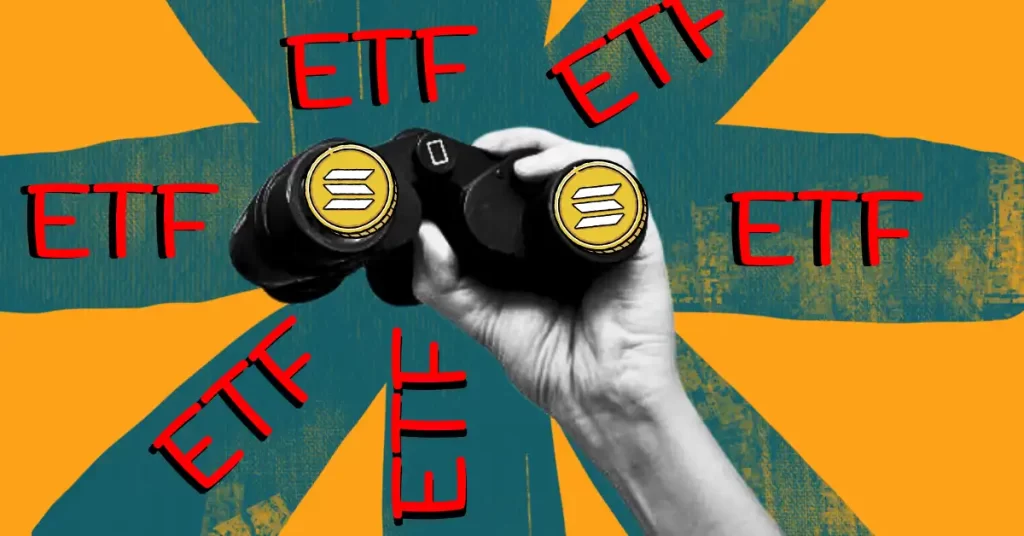
The post Analyzing the Effect of Approval of Ethereum ETF on Solana: Market Trends and Price Prediction appeared first on Coinpedia Fintech News The news of the approval of Ethereum ETFs by the U.S. Securities and Exchange Commission has influenced the cryptocurrency market immensely, particularly affecting Solana. Within this regulatory change, market experts indicate the rapidly changing dynamics and what it means for Solana investors. Solana’s Potential for an ETF With the approval of the Ethereum ETF by the US SEC, the question of whether Solana might also have an ETF emerges. Borovik, an observer on social platform X, indicated that the same similarities exist between Ethereum and Solana, to imply possibly a future route for the ETF of Solana. Ethereum getting a spot ETF literally means that Solana can get one also– both held an ICO– They both do the same thing– they are both used in the same wayI bet Solana gets an ETF during Trumps term— borovik (@3orovik) May 23, 2024 Anthony Scaramucci, the cofounder of SkyBridge Capital, shares a similar view that a SOL ETF will be announced in the future, citing the importance of Solana in the crypto space. Regulatory Hurdles and Market Response While some experts are optimistic about the possibility of a SOL ETF, regulatory difficulties will have to be overcome. Solana, being an altcoin, is under the radar of the SEC as it is considered an unregistered security. While the SEC has allowed Bitcoin and Ethereum to be considered commodities, Solana has no such recognition. Its recent approval of the spot ETF of Ethereum would underscore this regulatory complexity and subsequently Solana’s short-term price movement. Solana’s Price Volatility Amid Market Dynamics Following the Ethereum ETF approval, Solana has seen significant price movements. Its price dipped to a 7-day low following Ethereum’s market dominance and as the market became cautious. Observers note that there exists a connection between regulatory acceptance of Ethereum and price volatility in Solana, which indicates that major cryptocurrencies are in a correlated response to regulatory shifts. Recent staking trends have been reflective of a more cautious approach from Solana investors and node validators. As Ethereum ETFs continue to attract the attention of institutions, Solana stakeholders pulled out substantial amounts of SOL from staking contracts, possibly fearful of market uncertainties. This amount of unstaking reflects investors’ fears over the bearish impact it could have on the price trajectory of Solana. Price Forecast and Market Outlook In spite of Solana’s bounce above key support levels, sentiment in the futures markets remains bearish. Short traders dominate the scene, betting that SOL price would fail to break past key resistance levels. With significant leverage SHORT positions in play, Solana will find it hard to sustain a price uptrend in the near term. Key resistance areas and psychological support levels are telling insights into Solana’s short-term price movements amidst evolving market dynamics.
HSBC today announced the inauguration of its new U.S. headquarters at The Spiral, a renowned office building in New York City’s Hudson Yards neighborhood,…
HSBC today announced the inauguration of its new U.S. headquarters at The Spiral, a renowned office building in New York City’s Hudson Yards neighborhood, marking its largest U.S. relocation to date.
On the latest episode of Hashing It Out, Avail’s co-founder explains the need to unify multiple networks in the Web3 space, not just ideologically but thr…
Hashing It Out: Navigating the next wave of Web3 with Avail’s Anurag Arjun
Digital Currencies
Summary
On the latest episode of Hashing It Out, Avail’s co-founder explains the need to unify multiple networks in the Web3 space, not just ideologically but through innovation.