Decoding Ethereum’s Decline: Are Foundation Sales a Red Flag?
Summary
The post Decoding Ethereum’s Decline: Are Foundation Sales a Red Flag? appeared first on Coinpedia Fintech News Ethereum, the second-largest cryptocurrency, is making headlines due to the recent actions by the Ethereum Foundation and Ethereum co-founder Vitalik Buterin. Ethereum, like many other cryptocurrencies, has been experiencing a downward trend, largely influenced by events like the Stars Arena hack, which saw nearly 3 million in crypto theft, and recent geopolitical tensions affecting the broader crypto market. According to a video by Cheeky Crypto, one of the events that has caught the crypto world’s attention is the Ethereum Foundation’s sale of millions of ETH tokens. Earlier this week, the foundation transferred a substantial amount of ETH to Uniswap, selling 1,700 ETH for $2.73 million USDC at $1,611 per coin. This sale was followed by a further 1.45% drop in the ETH price, bringing it down to $1,590. Vitalik Buterin, the co-founder of Ethereum, has also been selling off a significant amount of his ETH holdings, worth around $1.6 million on the Bitstamp exchange. This is not the first time Buterin has offloaded his ETH holdings, with approximately 4,400 ETH transferred over the past two months. Looking closer at Ethereum’s on-chain analytics, the data reveals concerning trends. Wallets across various size categories, from 100,000 to 100 ETH, have shown an aggressive selloff over the past year. Wallets holding more than 10,000 ETH have seen nearly 10% or more declines, indicating a lack of confidence in Ethereum’s future. Furthermore, Ethereum’s recent price drops have liquidated many positions. In the last 24 hours, $11.6 million worth of positions have been liquidated, with 73.3% being long and 26.6% being short positions. OKX is the exchange with the most liquidations, totaling $5.4 million. It’s unclear why the Ethereum Foundation and Vitalik Buterin are divesting their holdings, but many in the crypto community are left wondering if there’s a deeper issue affecting Ethereum’s future.
The Saudi National Bank (SNB), and Mastercard, the official sponsor of the UEFA Champions League, have partnered to launch the UEFA Champions League card …
Saudi National Bank and Mastercard launch Champions League cards
Banking
Summary
The Saudi National Bank (SNB), and Mastercard, the official sponsor of the UEFA Champions League, have partnered to launch the UEFA Champions League card portfolio, the first of its kind in the Kingdom, offering cashback credit card and prepaid card without annual fees.
The post Ripple Vs SEC: John Deaton Predicts SEC Will Avoid Trial in Upcoming Case; Here’s Why appeared first on Coinpedia Fintech News Since the curtain …
Ripple Vs SEC: John Deaton Predicts SEC Will Avoid Trial in Upcoming Case; Here’s Why
Money Transfer · Digital Currencies
Summary
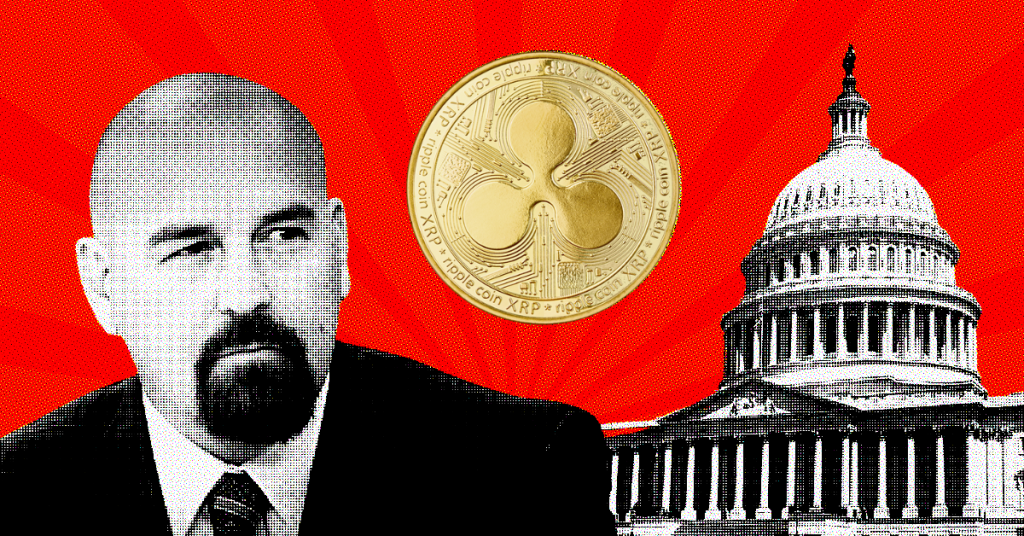
The post Ripple Vs SEC: John Deaton Predicts SEC Will Avoid Trial in Upcoming Case; Here’s Why appeared first on Coinpedia Fintech News Since the curtain is open, SEC has few moves in Ripple vs. SEC. Our previous analysis explored the potential for the SEC to regroup after losing the interlocutory card. Is there someone who says the SEC will not take a trial path? Here’s why. Pro-Ripple legal expert John Deaton, known for his spot-on predictions, decodes a surprising twist in the XRP lawsuit. Despite a trial date set for April 2024 after the District Judge shot down the SEC’s bid for an early appeal, Deaton boldly predicts a trial might not even happen. Why? He has slender odds of SEC success, backed by weak evidence and hefty legal costs. The plot thickens, and the courtroom drama promises more surprises ahead. The SEC is in Pool of Questions? It is pretty evident so far that neither the SEC nor Gary Gensler has given any direct answer on various loopholes shown by the opponent. In a compelling discussion during a recent interview, Deaton questioned the real motives behind the SEC’s case, stating that “they died the moment they filed the case.” He hints that the SEC intends to force the securities laws but perhaps for other undisclosed reasons. This raises further questions about the SEC’s credibility and objectives in this landmark case. The SEC is likely to consider settlement talks with Ripple to end the legal battle, though it might be a tough call for regulators. Ripple’s case sets a precedent but doesn’t ensure similar outcomes for others. Deaton’s Stance on the Technicalities Deaton sees the recent decision as a significant setback for the SEC, making a trial unlikely. He questions how the SEC can prove its case when it’s against the law. XRP is considered innocent until proven otherwise. Deaton suggests the SEC might consider a settlement or drop the charges altogether to avoid the complexities of a trial. He also advises the SEC to hire a good lawyer if they aim to win. “Do they want all that Hinman stuff and the drama of a trial?” questioned Deaton, highlighting the complexities involved. Additionally, Deaton notes that the SEC is involved in other major legal battles with companies like Coinbase and Binance, diverting resources and adding complexity to their efforts. Deaton expresses confidence in Coinbase’s chances of winning but has reservations about Binance’s future trial outcome. XRP Ruling cannot be Tagged in All Cases However, legal expert John Deaton points out that this ruling’s scope is limited to XRP, not offering broader protection for other tokens. This leaves many projects in a regulatory gray area, potentially discouraging innovation in the U.S. While a step forward, the crypto industry still seeks comprehensive regulatory clarity for sustained growth and leadership in blockchain technology.
Generative artificial intelligence (AI) faces many growing pains as it seeks its footing. In a recent survey, management consulting firm Bain & Compan…
Generative AI’s Technology Is Not Yet Fully Optimized for Healthcare
Digital Currencies
Summary
Generative artificial intelligence (AI) faces many growing pains as it seeks its footing. In a recent survey, management consulting firm Bain & Company reveals that the main barriers to generative AI in healthcare are a lack of resources, expertise and regulation, with data access and quality and organizational resistance close behind. The recurring theme across industry studies is that generative AI in healthcare is nascent and needs time to prove its efficacy and to earn public trust. Robust benchmarks will increase confidence. The lesson for technology companies, pharmaceutical firms and healthcare providers considering generative AI in their strategies is that the technology is not yet fully optimized for healthcare. For generative AI to bear fruit, it needs investors, technology, resources, expertise, LLMs trained with healthcare-specific data, and robust guidelines. Ultimately, society needs to be ready for and comfortable with the involvement of generative AI in managing patient health and treatment. The task ahead entails expanding resources and expertise, training models on healthcare-specific data and establishing robust benchmarks. In time, through multiple iterations, generative AI will sharpen its analysis. Developers will fine-tune the benchmarks and criteria used in their models, aligning them with emerging regulatory guidelines. The result will be improved accuracy in diagnoses and recommended treatments. Ethical guidelines and human readiness will shape generative AI use and governance. Regulators are urged to move fast, but doing so too quickly could bring unintended consequences. The same caution applies to technology companies that are eager to earn a profit from their innovations. AI tools that gain FDA approval are setting a precedent for what will become commonplace in the future. The potential downside may be that ethical dilemmas will prompt companies and regulators to reconsider their positions. According to a recent study, Americans have mixed feelings about the use of generative AI in their healthcare. While they are enthusiastic about the potential benefits, most Americans are hesitant to replace their medical professionals with this technology. These sentiments may shift over time as technology matures and regulatory guidelines become more robust.The post Generative AI’s Technology Is Not Yet Fully Optimized for Healthcare first appeared on PYMNTS.com.
The post Sam Bankman-Fried’s Trial Day 3: Shocking Information Revealed! appeared first on Coinpedia Fintech News On October 5th, the prosecution cross-ex…
Sam Bankman-Fried’s Trial Day 3: Shocking Information Revealed!
Lending · Digital Currencies
Summary
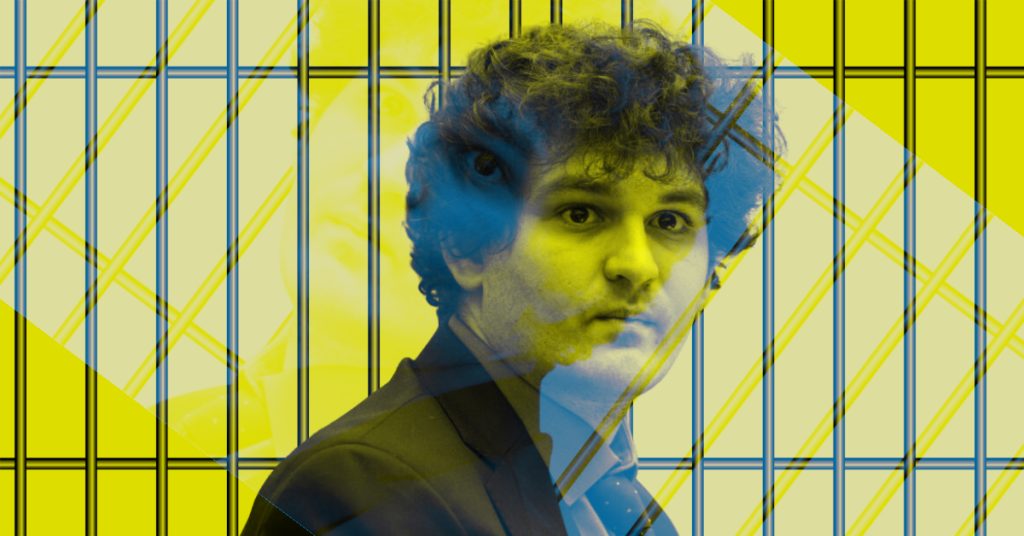
The post Sam Bankman-Fried’s Trial Day 3: Shocking Information Revealed! appeared first on Coinpedia Fintech News On October 5th, the prosecution cross-examined Adam Yedidia about a significant $8 billion financial matter connecting Alameda and FTX. Yedidia, a close friend of Sam Bankman-Fried and a former FTX developer, also resided at Bankman-Fried’s lavish $35 million Bahamas property. This is a story of finances, yes, but also one of trust, betrayal, and much more. Read on. The $8 Billion Puzzle Yedidia revealed that in early 2021, FTX had transferred user funds to an Alameda account called “North Dimension” because they faced difficulties securing a regular bank account. This transfer created an $8 billion obligation for Alameda towards FTX by June 2022. Surprisingly, Yedidia knew about this transfer in 2021 but didn’t think much of it. However, his perspective changed in 2022 when he learned of the enormous debt. He discussed his concerns with Bankman-Fried during a game of tennis. SBF's Lisner: So there not being an FTX board did not stop you from investing?Judge Kaplan: Obviously… Come to the sidebar.[The lawyers head up. This we cannot hear. Then, witness is done.[Next witness: Gary Wang.AUSA: What was your job at FTX?Wang: CTO— Inner City Press (@innercitypress) October 5, 2023 Yedidia claims that Bankman-Fried stated that the companies should pay off their debt within six months to three years. Yedidia expressed his concern to Bankman-Fried, emphasizing the urgency of paying off the debt. Bankman-Fried assured Yedidia that they would prioritize resolving the obligation and explore various strategies to expedite repayment. Under questioning, Yedidia expressed his trust in Sam Bankman-Fried, Caroline, and others at Alameda to handle the situation responsibly. However, his trust was shattered when he discovered in November 2022 that Alameda not only retained the funds but also used them to pay off its own debts. Also Read: FTX Co-Founder Testifies That Sam Bankman-Fried Committed Wire Fraud! Testimonies from Key Figures The October 5th trial also featured testimony from Gary Wang, co-founder of FTX and Alameda Research, and Matthew Huang, co-founder of Paradigm. Paradigm had invested $278 million in FTX between 2021 and 2022 through two fundraising rounds. FTX Co-Founder Gary Wang Testifies in Bankman-Fried's TrialIn a significant turn of events during the ongoing trial of FTX founder Sam Bankman-Fried, Gary Wang, FTX's co-founder and Bankman-Fried's former college roommate at MIT, took the stand. Wang's testimony shed light… pic.twitter.com/MyCyjWiglu— Gokhshtein (@gokhshtein) October 6, 2023 Admissions and Perks During his brief testimony, Gary Wang admitted to engaging in wire fraud, securities fraud, and commodities fraud, alongside Bankman-Fried, Caroline Ellison, and others. Wang also disclosed Alameda’s unique advantages within FTX, such as a massive $65 billion credit line and unlimited fund withdrawals, unlike other market makers. FTX insider Gary Wang said Sam Bankman-Fried allowed Alameda to withdraw unlimited funds— Whale (@WhaleChart) October 5, 2023 There were reports of a potential $200 million to $300 million loan from Alameda for cryptocurrency ventures, although these loans were not recorded in Wang’s account. Wang’s testimony was scheduled to continue on October 6th. Defense Responds In response to the prosecution’s claims of fund mixing, Bankman-Fried’s defense sought to provide the jury with a broader understanding of FTX and Alameda’s connection. They highlighted FTX’s rapid expansion and the long hours worked by Bankman-Fried and senior team members during the bullish 2021 market. The defense also mentioned the Securities and Exchange Commission’s offer of immunity to Yedidia, protecting him from accountability for his involvement at FTX, in exchange for his cooperation. Also Read: FTX Margin System Controversy: Was CEO Bankman-Fried Defrauding Investors? Furthermore, the defense stressed that FTX’s difficulty in obtaining a bank account and its reliance on Alameda’s ‘North Dimension’ for fund deposits were widely recognized in the industry. The cross-examination of Yedidia was set to resume in the afternoon, in the federal courtroom in lower Manhattan.