Decoding Ethereum’s Decline: Are Foundation Sales a Red Flag?
Summary
The post Decoding Ethereum’s Decline: Are Foundation Sales a Red Flag? appeared first on Coinpedia Fintech News Ethereum, the second-largest cryptocurrency, is making headlines due to the recent actions by the Ethereum Foundation and Ethereum co-founder Vitalik Buterin. Ethereum, like many other cryptocurrencies, has been experiencing a downward trend, largely influenced by events like the Stars Arena hack, which saw nearly 3 million in crypto theft, and recent geopolitical tensions affecting the broader crypto market. According to a video by Cheeky Crypto, one of the events that has caught the crypto world’s attention is the Ethereum Foundation’s sale of millions of ETH tokens. Earlier this week, the foundation transferred a substantial amount of ETH to Uniswap, selling 1,700 ETH for $2.73 million USDC at $1,611 per coin. This sale was followed by a further 1.45% drop in the ETH price, bringing it down to $1,590. Vitalik Buterin, the co-founder of Ethereum, has also been selling off a significant amount of his ETH holdings, worth around $1.6 million on the Bitstamp exchange. This is not the first time Buterin has offloaded his ETH holdings, with approximately 4,400 ETH transferred over the past two months. Looking closer at Ethereum’s on-chain analytics, the data reveals concerning trends. Wallets across various size categories, from 100,000 to 100 ETH, have shown an aggressive selloff over the past year. Wallets holding more than 10,000 ETH have seen nearly 10% or more declines, indicating a lack of confidence in Ethereum’s future. Furthermore, Ethereum’s recent price drops have liquidated many positions. In the last 24 hours, $11.6 million worth of positions have been liquidated, with 73.3% being long and 26.6% being short positions. OKX is the exchange with the most liquidations, totaling $5.4 million. It’s unclear why the Ethereum Foundation and Vitalik Buterin are divesting their holdings, but many in the crypto community are left wondering if there’s a deeper issue affecting Ethereum’s future.
The bank has already axed 5,000 jobs this year, costing $400 million in severance in the second quarter alone. This next phase will be more about eliminat…
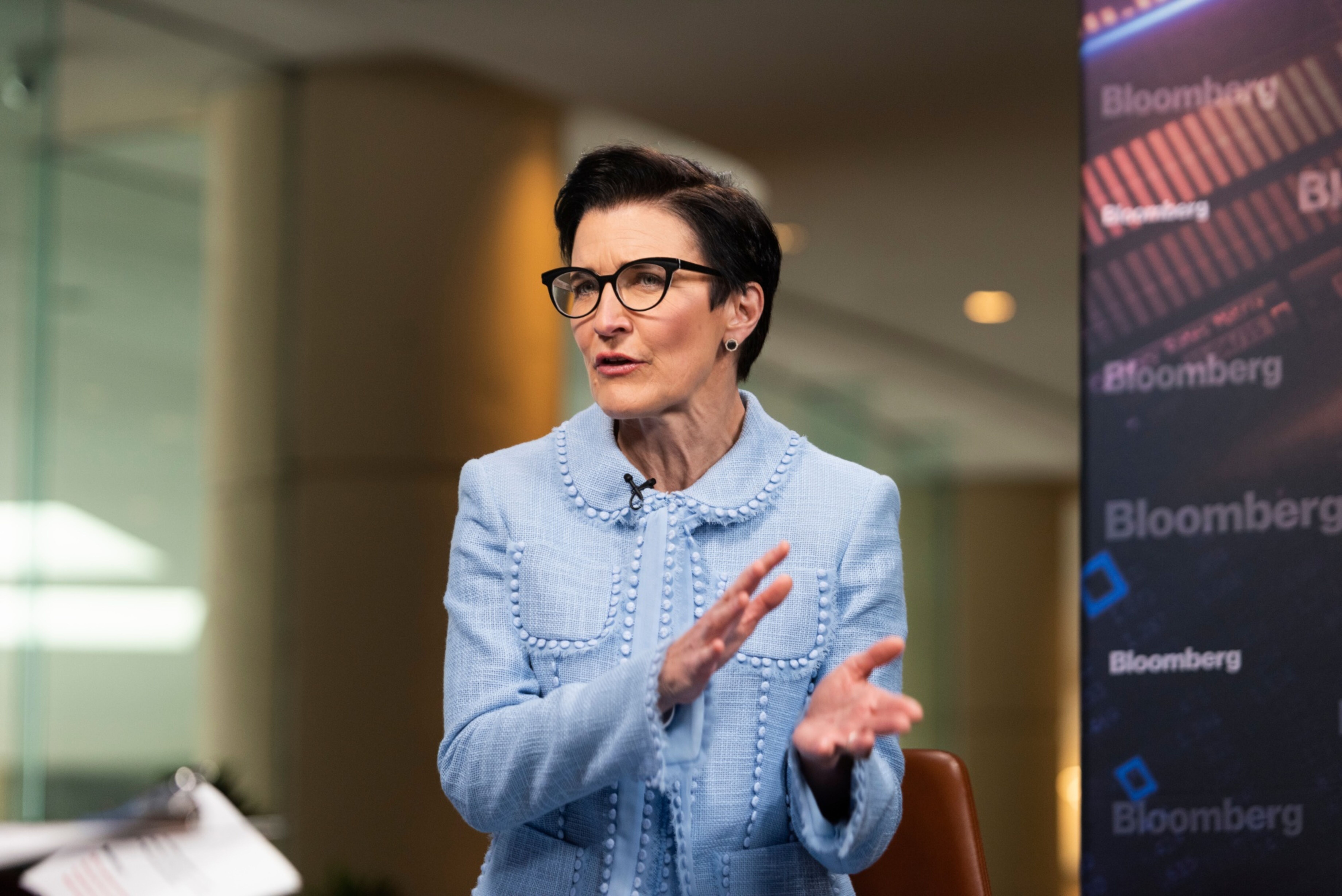
A fed-up Jane Fraser is downsizing at Citigroup to fight bank's painful slump
Investments
Summary
The bank has already axed 5,000 jobs this year, costing $400 million in severance in the second quarter alone. This next phase will be more about eliminating the executive roles that sit two or three layers below the CEO.
The post Will a Subpoena be Issued to SEC Chair Gary Gensler? Congressman Answers appeared first on Coinpedia Fintech News During a discussion about crypt…
Will a Subpoena be Issued to SEC Chair Gary Gensler? Congressman Answers
Money Transfer · Blockchain · Digital Currencies
Summary
The post Will a Subpoena be Issued to SEC Chair Gary Gensler? Congressman Answers appeared first on Coinpedia Fintech News During a discussion about cryptocurrency regulations, Congressman Warren Davidson recently expressed concerns about the actions of Gary Gensler, the Chairman of the U.S. Securities and Exchange Commission (SEC). Davidson, a House Financial Services Committee member, highlighted the need for transparency and accountability within the SEC. During the conversation with Thinking Crypto, Davidson also discussed possibly issuing a subpoena to Gary Gensler to obtain necessary documents and communications related to the SEC’s activities. He said that patience with Gensler’s leadership had worn thin, and a subpoena might be necessary to ensure transparency and cooperation. Davidson believed that the SEC’s actions and lack of clear regulations have hindered the cryptocurrency industry’s growth. He cited fraud cases and the need for structural changes within the SEC as significant concerns. The discussion also touched on the SEC’s previous stance on Ethereum, where a speech by former SEC official Bill Hinman was considered guidance by the industry. However, recent revelations have raised questions about the ethics and transparency of that decision. He hopes that the recent court criticisms of the SEC’s actions in the Ripple vs. SEC case will make the SEC change its approach to regulating cryptocurrencies. He also believes that the SEC’s current method of using the Howey test as its primary guideline for determining if something is a security is too vague and that there should be clear laws specifically for digital assets. Davidson also said that having real contracts is crucial when the SEC claims something is an investment contract. Regarding Central Bank Digital Currencies (CBDCs), Davidson argued against their implementation, suggesting that they could be used as tools for government control and coercion. He emphasized the importance of sound and strong money and expressed skepticism about the need for a U.S. CBDC.
A synthetic asset represents real-world assets digitally, created and traded on blockchain networks, mirroring the value and behavior of its underlying co…
A synthetic asset represents real-world assets digitally, created and traded on blockchain networks, mirroring the value and behavior of its underlying counterpart.
The post Brian Armstrong’s 2024 Bitcoin Price Prediction: Get Ready for the Next Crypto Bull Run appeared first on Coinpedia Fintech News Brian Armstrong,…
Brian Armstrong’s 2024 Bitcoin Price Prediction: Get Ready for the Next Crypto Bull Run
Digital Currencies
Summary
The post Brian Armstrong’s 2024 Bitcoin Price Prediction: Get Ready for the Next Crypto Bull Run appeared first on Coinpedia Fintech News Brian Armstrong, the CEO and founder of Coinbase, a pioneering public cryptocurrency exchange in the U.S., recently shared his insights on the future trajectory of cryptocurrency. Having weathered the storms of U.S. regulation and watched the digital currency space evolve, Armstrong’s take on what lies ahead is both fascinating and important for us crypto enthusiasts. From the Internet to Crypto Drawing a parallel between the internet’s early days and the current state of crypto, Armstrong reflected on how initial skepticism and distrust of new technology often transition to widespread acceptance. The internet, once perceived as an odd, alternative platform, has now overshadowed traditional media forms. Similarly, while early crypto enthusiasts might have been seen as outsiders or high-risk takers, the field is gradually pulling in a more diverse crowd. It’s not just about the technology anymore but its broader applications, from the art world to remittances and beyond. Battles With The Regulators Armstrong is no stranger to regulatory skirmishes, especially with the Securities and Exchange Commission (SEC). But with recent legal victories suggesting a favorable tide for crypto, there’s optimism in the air. During the All In Summit, Armstrong touched on the vital theme of crypto regulation and his vision for the industry’s path forward. Though advocating for innovation, Armstrong doesn’t shy away from the necessity of regulatory frameworks. Drawing from traditional financial industry practices, he believes in establishing essential rules that promote both safety and innovation. While centralized crypto entities should follow strict guidelines, decentralized platforms, he feels, should be treated more similarly to software entities. While Armstrong extensively discussed the current state of cryptocurrency, he dropped hints about what the future holds. Predicting the next wave of crypto popularity and adoption, Armstrong suggests that a range of emerging use cases are paving the way for another significant bull run in the market during the first half of 2024. His reason is as the crypto industry matures and evolves, these triggers will catalyze a surge, bringing in a new wave of investors, innovations, and opportunities.
The Ethereum co-founder proposes a solution that could lower the likelihood of any individual liquid staking provider growing to a point where it poses a …
Vitalik Buterin voices concerns over DAOs approving ETH staking pool operators
Blockchain · Digital Currencies
Summary
The Ethereum co-founder proposes a solution that could lower the likelihood of any individual liquid staking provider growing to a point where it poses a systemic risk.