Decoding Ethereum’s Decline: Are Foundation Sales a Red Flag?
Summary
The post Decoding Ethereum’s Decline: Are Foundation Sales a Red Flag? appeared first on Coinpedia Fintech News Ethereum, the second-largest cryptocurrency, is making headlines due to the recent actions by the Ethereum Foundation and Ethereum co-founder Vitalik Buterin. Ethereum, like many other cryptocurrencies, has been experiencing a downward trend, largely influenced by events like the Stars Arena hack, which saw nearly 3 million in crypto theft, and recent geopolitical tensions affecting the broader crypto market. According to a video by Cheeky Crypto, one of the events that has caught the crypto world’s attention is the Ethereum Foundation’s sale of millions of ETH tokens. Earlier this week, the foundation transferred a substantial amount of ETH to Uniswap, selling 1,700 ETH for $2.73 million USDC at $1,611 per coin. This sale was followed by a further 1.45% drop in the ETH price, bringing it down to $1,590. Vitalik Buterin, the co-founder of Ethereum, has also been selling off a significant amount of his ETH holdings, worth around $1.6 million on the Bitstamp exchange. This is not the first time Buterin has offloaded his ETH holdings, with approximately 4,400 ETH transferred over the past two months. Looking closer at Ethereum’s on-chain analytics, the data reveals concerning trends. Wallets across various size categories, from 100,000 to 100 ETH, have shown an aggressive selloff over the past year. Wallets holding more than 10,000 ETH have seen nearly 10% or more declines, indicating a lack of confidence in Ethereum’s future. Furthermore, Ethereum’s recent price drops have liquidated many positions. In the last 24 hours, $11.6 million worth of positions have been liquidated, with 73.3% being long and 26.6% being short positions. OKX is the exchange with the most liquidations, totaling $5.4 million. It’s unclear why the Ethereum Foundation and Vitalik Buterin are divesting their holdings, but many in the crypto community are left wondering if there’s a deeper issue affecting Ethereum’s future.
Federal Deposit Insurance Corp. Chairman Martin Gruenberg said Wednesday he wants to see tailored enhanced prudential standards and increased reporting re…
Gruenberg calls for tailored FSOC designations, more nonbank reporting
Digital Currencies
Summary
Federal Deposit Insurance Corp. Chairman Martin Gruenberg said Wednesday he wants to see tailored enhanced prudential standards and increased reporting requirements for specific nonbank financial institutions like open-ended mutual funds, hedge funds, and nonbank lenders, citing their potential systemic risks and the need for improved oversight.
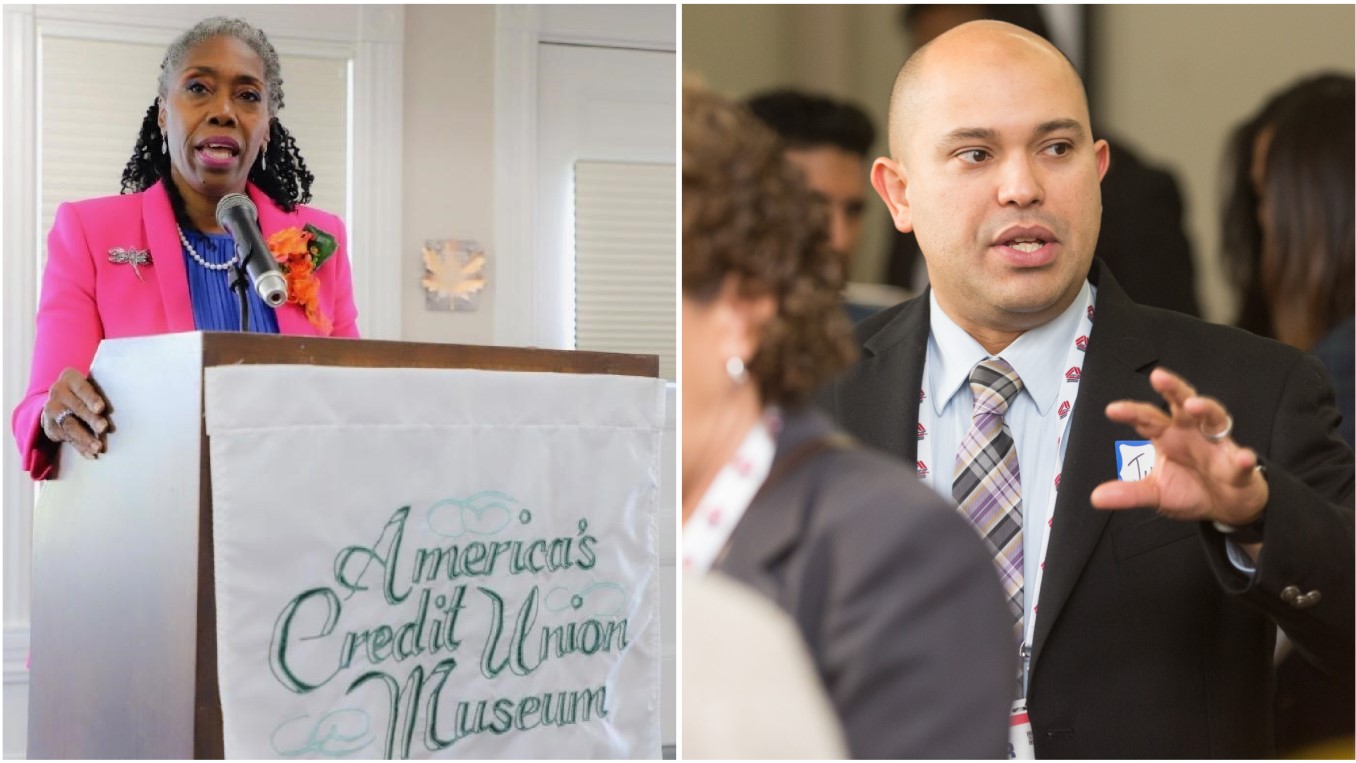
The African American Credit Union Coalition is working with the Louisiana Credit Union League to promote programs for recruitment and career advancement.
African American and Louisiana credit union groups partner to foster talent
Lending · Insurance · Banking
Summary
The African American Credit Union Coalition is working with the Louisiana Credit Union League to promote programs for recruitment and career advancement.
Of all the takes I’ve heard about open banking over the past week, here is a great one I did not hear courtesy of The Finanser’s Chris Skinner: open banki…
Of all the takes I’ve heard about open banking over the past week, here is a great one I did not hear courtesy of The Finanser’s Chris Skinner: open banking is bad branding. The core issue is that banking and finance is being ripped open by technologies to ensure better service, data enrichment, machine learning, more knowledge … but to achieve this, the service is no longer delivered by one company: a bank. It is delivered by multiple service providers through apps, APIs and analytics. That’s what Open Banking is all about. It just has the wrong name. We don’t want Open Banking. We want Closed Banking. A typically heterodox take from Skinner and a prompt I would have loved to put to our open banking panelists at FinovateFall last week. As it turned out, our conversation revolved around other issues – from the role of regulation to the differences in the evolution of open banking between countries and regions. But the same issues raised by Skinner this week were not far away. See for yourself in our brief summary of the top takeaways from our FinovateFall discussion. User Experience Matters One area of major agreement on the panel was that user experience was an undervalued aspect of the appeal (or lack thereof) of open banking. Imran Haider, Director of Product, Intuit Data Exchange, noted that the user experience for a customer connecting to their bank via an open banking flow can vary significantly. He cited the occurrence of everything from cumbersome flows to basic performance issues as obstacles to wider acceptance of open banking. “If we really want to unlock the power of customer permissioned data sharing,” Haider said, “then we need better standards and approaches on the UX side.” Location Shapes the Market Appreciating the way open banking is evolving differently across geographies was another key takeaway from our conversation on open banking. Florencia Ardissone, Head of Product, Customer Insights & ChaseNet Analytics, JP Morgan Chase, led with this insight. In places like the U.K., Europe, and Australia, open banking has evolved courtesy of a highly-engaged regulatory authority. By contrast, in countries like India, market forces have tended to lead, with the drive for greater financial inclusion often fueling innovation. As such, we should expect the evolution of open banking in the U.S. – however slow and sluggish – to develop based on the unique features of the U.S. banking system – including the massive number of players. Open Banking Demands Identity Management Skinner’s skepticism about consumer appetites for “open” banking is also a great way to understand another key takeaway from our Open Banking conversation: the idea that open banking is integrally linked to identity management. Sasha Dobrolioubov, Head of Partnerships at Persona, made the point that it critical that those financial institutions involved in open banking – the banks, the fintechs – need to have a “strong identity presence” to foster trust between would-be open banking consumers and providers. Regulation Defines the Opportunity The funny thing about the evolution of Open Banking in the U.S. is that has taken both the route of market-driven innovation as well as the path laid by regulators, particularly the CFPB. Kevin Jacques, Partner at Cota Capital, noted that the access to account data component of open banking evolved ahead of regulations. Jacques cited innovators – and Finovate alums – like Plaid, MX, and Finicity as examples. That said, with pending CFPB regulations potentially limiting and restricting collection of account data based on a narrower view on consumer consent, innovation in this aspect of open banking is likely to be impacted. Photo by Amina Filkins The post Top Takeaways on Open Banking from FinovateFall appeared first on Finovate.