Does Open Banking Need a New and More Effective Approach?
Summary
Since its launch in the UK, open banking has enjoyed a level of success but still lags behind the level of adoption many expected it to reach by this point in time. Advancements in the use of open banking technology appear to have plateaued in the UK and, now, a new approach is required, says James Robson, CEO of business finance platform FundOnion. Here, Robson explains what needs to change to make open banking a success once again in the UK. James Robson, CEO of FundOnion Open banking has stood out as a shining example of innovation, promising greater accessibility, transparency, and efficiency for those seeking financial services. Since its inception in 2016, financial services have moved on light years. But for open banking to truly fulfil its potential in the UK, several key areas need to be addressed: Levelling the playing field One of the fundamental principles of open banking is to foster competition and empower consumers by providing them with greater choice and access to financial services. However, the fragmented nature of the current landscape, with each bank operating its own unique APIs, presents a significant barrier to achieving this vision. To truly democratise finance, it’s key that all banks and financial services firms are able to operate on the same open banking footing. This means adopting standardised APIs and protocols, allowing for seamless integration and interoperability between different institutions. By doing so, consumers will be able to access a wider range of financial products and services from various providers, leading to increased competition, better deals, and ultimately, greater consumer empowerment. The role of the designated finance platform Since the 2008 financial crisis, the desire from major high street banks to lend to SMEs has fallen through the floor. This has made it more and more difficult for smaller firms to get access to finance, which is often key to being able to expand, invest and increase productivity. Much more so than for larger firms. The Designated Finance Platform, whereby high street banks that are unable to lend to small businesses provide referrals through a panel of brokers to other lenders, was set up to facilitate lending to these businesses and better enable growth. It is a prime example of a good idea that has not had the desired effect. Less than a quarter of businesses rejected by banks for loans are referred and even fewer will be successful. While some of this can be attributed to problems on the supply side (it is not easy for some alternative finance platforms and smaller lenders to deal with the number of leads a high street bank generates) this problem is being solved rapidly with the use of AI and open banking. This is exactly what we are working on at FundOnion, making sure that small businesses always have somewhere to go to get finance. Driving a smart data economy In an increasingly data-driven world, the ability to harness and utilise data effectively is going to be key to future growth. The UK government, along with the Open Banking Implementation Entity (OBIE), has recognised the importance of driving a smart data economy and has laid out a strategy to achieve this goal. Central to this strategy is the promotion of data interoperability and portability, allowing consumers to control and share their data securely across different platforms and services. This not only empowers individuals with greater control over their financial information but also stimulates innovation and competition within the financial sector. Furthermore, the UK can learn valuable lessons from other countries that have made significant strides in building a smart data economy. Countries like Singapore, Australia, and Canada have implemented various initiatives towards this. To keep pace with these developments, the UK must continue to invest in infrastructure, technology, and regulatory frameworks that support data-driven innovation. This includes fostering collaboration between government agencies, regulators, industry stakeholders, and academia to develop and implement policies that promote a thriving smart data economy. Regaining the lead Open banking holds tremendous promise for transforming the UK’s financial landscape, but realising this potential requires a concerted effort from all sides. By ensuring all banks and financial services firms operate on the same open banking footing, restarting and retooling useful initiatives like the Designated Finance Platform, and driving a smart data economy in alignment with global trends, the UK can reposition itself as a leader once more in the digital economy and in open banking. As we navigate the complexities of the modern financial world, it’s essential to remain committed to the principles of openness, transparency, and innovation. By embracing these principles and working together towards a common vision, we can unlock the full potential of open banking and create a brighter, more inclusive financial future for all. The post Does Open Banking Need a New and More Effective Approach? appeared first on The Fintech Times.
The post Litecoin Validates A Bearish Pattern – Will LTC Price Force Buyers To Exit? appeared first on Coinpedia Fintech News As Bitcoin price struggles t…
Litecoin Validates A Bearish Pattern – Will LTC Price Force Buyers To Exit?
Digital Currencies · Blockchain
Summary
The post Litecoin Validates A Bearish Pattern – Will LTC Price Force Buyers To Exit? appeared first on Coinpedia Fintech News As Bitcoin price struggles to maintain its momentum above the crucial $28K mark, it triggers a selling wave in leading altcoins. The ‘Uptober’ trend appears to be fading as leading altcoins, including LTC, flash red, signaling potential dips after validating a bearish pattern. With several on-chain data now indicating bearish signs, LTC price seems poised for another surge of selling pressure. Litecoin’s Long/Short Ratio Surges Near The Dip Following a drop in LTC price from $68, buyers rushed to sell off their positions to sidestep further losses. Coinglass data unveils that almost $1.6 million in long positions were liquidated in the past 48 hours. This activity has gradually strengthened the resistance level, paving the way for sellers to potentially capitalize on reversing the trend. Additionally, Litecoin’s trading interest has declined, evidenced by a sharp decrease in the Open Interest (OI) metric. The OI metric plummeted by more than $11 million in the recent 24 hours, as LTC’s declining volatility struggled to capture market interest. Data from IntoTheBlock highlights a downturn in LTC’s volatility, which has been gradually decreasing for over a week, sliding from a peak of 38.4% to a low of 31.9%. This has emerged as a primary factor in Litecoin’s price decline. Nonetheless, after the LTC price touched the $63 mark, a boost in confidence among long position holders was observed. The long/short ratio indicates a surge, currently trading at 0.9897, hinting at a fierce struggle between bulls and bears. At present, bulls are asserting their dominance with 49% long positions, while bears are responding with 51% short positions. Consequently, LTC price has managed to sustain a steady momentum below the $65 threshold. What’s Next For LTC Price? Litecoin price surged above $68 but failed to meet buyers’ expectation as sellers triggered intense pressure near this high. As a result, LTC price declined and buyers attempted to hold the momentum near $65 but failed due to increasing domination from sellers. As of writing, LTC price trades at $64.1, declining over 2.7% in the last 24 hours. Typically, the rise of a bearish setup is viewed positively, as bulls, previously on standby, seize the opportunity to buy. After Litecoin reached the dip of $63, buyers bought in and pushed the price above 23.6% Fib channel. However, the price might soon dip and retest the breakout level of $62 before any significant upward movement occurs. If the level of $62 sustains, it would indicate that bulls have successfully converted the region into a strong support. Hence, the Litecoin price might initiate an upward trajectory towards $65 and potentially further to $68 if it rebounds successfully. Conversely, if the price declines and drops below the initial bearish zone, it would suggest that the markets have rebuffed the higher levels. The price might then visit the crucial support at $57.
The Securities and Exchange Commission (SEC) has filed an enforcement action against Zera Financial and Luis A. Romero. The complaint states that. Zera a…
The Securities and Exchange Commission (SEC) has filed an enforcement action against Zera Financial and Luis A. Romero. The complaint states that. Zera and
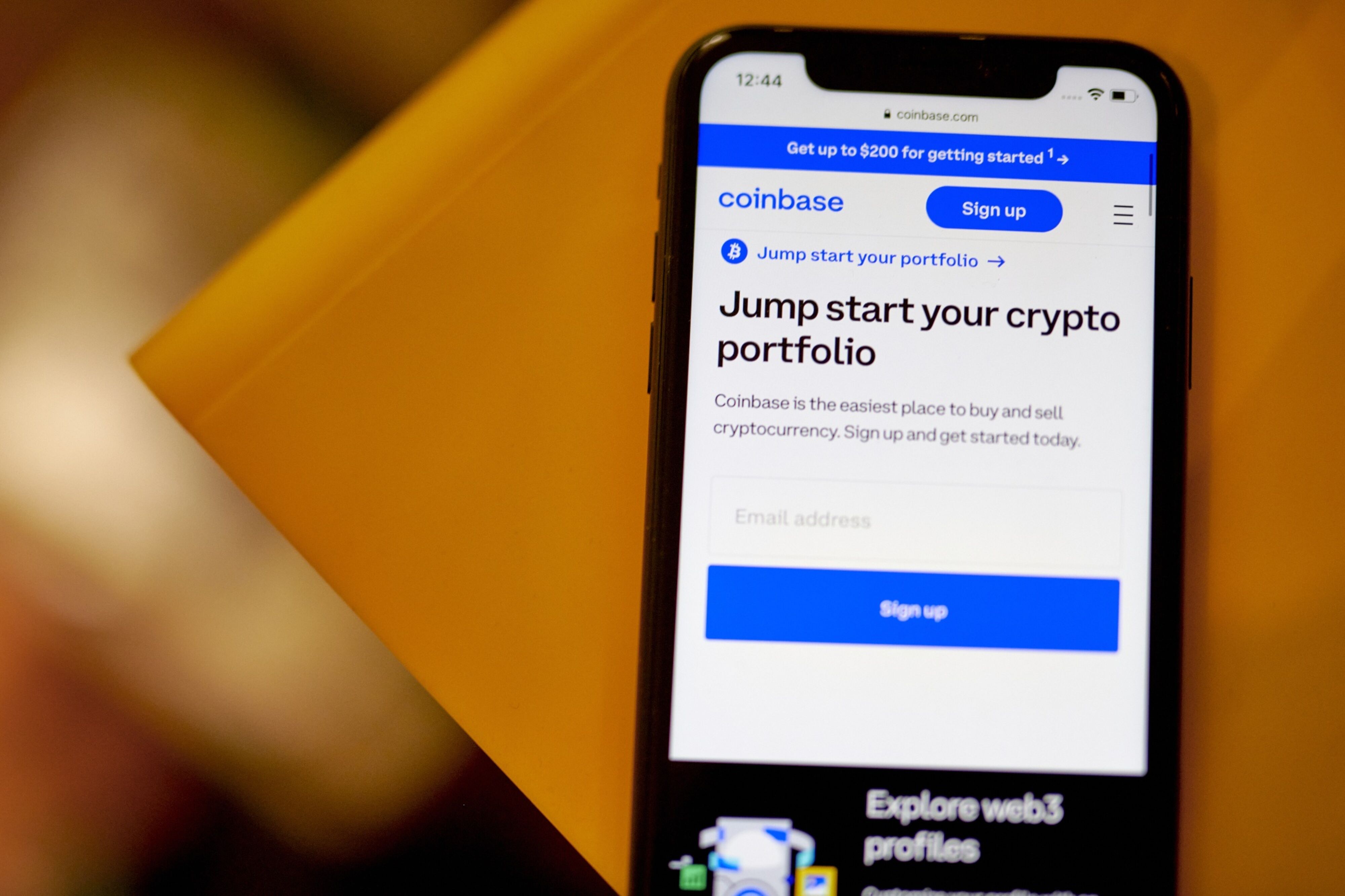
The Securities and Exchange Commission is pushing ahead with its litigation against Coinbase, raising the stakes further in the case against the biggest U…
SEC pushes ahead with case against Coinbase crypto exchange
Digital Currencies · Investments
Summary
The Securities and Exchange Commission is pushing ahead with its litigation against Coinbase, raising the stakes further in the case against the biggest U.S. crypto exchange.
The post Ripple vs. SEC: SEC is Wasting Judge Torres’s Time in a Disrespectful Way appeared first on Coinpedia Fintech News Recent developments suggest th…
Ripple vs. SEC: SEC is Wasting Judge Torres’s Time in a Disrespectful Way
Money Transfer · Digital Currencies
Summary
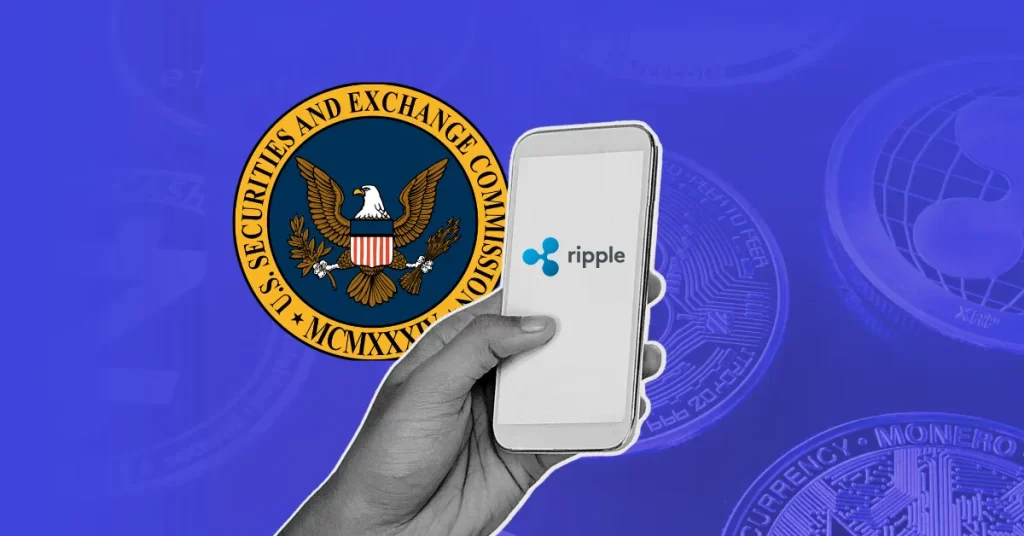
The post Ripple vs. SEC: SEC is Wasting Judge Torres’s Time in a Disrespectful Way appeared first on Coinpedia Fintech News Recent developments suggest that the SEC’s approach may wear thin with the judiciary in the ongoing legal battle between Ripple Labs and the U.S. Securities and Exchange Commission (SEC). District Judge Analisa Torres, presiding over the case, has denied the SEC’s motion for an appeal. Echoing these sentiments, crypto influencer Freddy Rispoli opined that Judge Torres’ recent rulings signal contempt for the SEC, accusing them of “wasting her time” in a “disrespectful way.” #XRPCommunity The big win was 7/13 of course but this is also pretty sweet. Options for @SECGov are dwindling at a rapid pace. This opinion, to me, oozed with contempt from J. Torres for the SEC for wasting her time and in a disrespectful way. I still maintain it all went…1/5— Fred Rispoli (@freddyriz) October 3, 2023 Judge Torres recently rejected the SEC’s motion for an interlocutory appeal, stating that the appeal would not “materially advance the ultimate termination of the litigation.” Her decision included references to “shifting and inconsistent arguments” made by the SEC about their legal theory on Ripple’s “Other Distributions.” For observers like Rispoli, such comments aren’t merely legal parlance but signs of exasperation with the SEC’s approach. According to Rispoli, the judge’s remarks were uncharacteristically sharp, signaling a veiled critique of the SEC’s shifting arguments. This piercing analysis reflects the SEC’s narrowing options and focuses on the commission’s controversial actions, particularly related to the #HinmanEmails saga. SEC is Mishandling District Judge Torres denied the SEC’s pre-motion for an interlocutory appeal. The legal battle seems to have cornered the SEC, forcing them to re-evaluate their stance, especially as they march toward an impending trial in April 2024. This refusal to allow an appeal did not just affect the SEC but also resonated with the community. Rispoli’s observation about the SEC’s mishandling finds a striking parallel in the controversial Howey Test. Judge Torres dismissed the SEC’s insistence on applying the Howey Test to the case, thus quashing one of their pivotal arguments. This move also bolstered Rispoli’s assertion about the SEC’s increasingly shaky ground in this legal wrangle. XRP Market Reaction Echoing the sentiments expressed by Rispoli, the XRP market experienced a 5% rally following the announcement of the denied motion. This pulse of positivity within the investor community is emblematic of the uplifted spirits among Ripple supporters, but it also casts shadows of what may come as the 2024 trial approaches. With influencers like Freddy Rispoli providing a voice to community sentiment, the SEC may need to rethink its strategy if it hopes to regain judicial and public confidence. As the case heads toward its 2024 trial date, all eyes will be on how the SEC adjusts its approach to avoid “wasting time” in what has already become a high-profile, highly scrutinized legal battle.
The uncertainty in the crypto market hasn’t stopped projects from moving on with developments. n recent developments, Arbitrum’s exciting Odyssey event is…
Unleashing Unstoppable Gains: Arbitrum Odyssey Relaunches, Investors Flock to Everlodge, Leaving Aptos in the Dust!
Digital Currencies
Summary
The uncertainty in the crypto market hasn’t stopped projects from moving on with developments. n recent developments, Arbitrum’s exciting Odyssey event is back. However, a counterfeit Aptos token disrupted the market, causing investors to shift their focus to Everlodge. Join the Everlodge presale and win a luxury holiday to the Maldives Arbitrum Odyssey Relaunches Earlier in the year, Arbitrum celebrated the success of its airdrop with Odyssey. After a halt, the project is set to relaunch its Odysseys again beginning on September 26th. This event will span seven weeks, featuring a new mission each week. This relaunch offers participants a chance to win NFT rewards over seven weeks. This relaunch provides an excellent opportunity to explore the Arbitrum network and its offerings. And this will include 13 different events. The relaunch has marginally benefited the Arbitrum coin, with its price increasing to $0.8137. The Odyssey is projected to increase the activity on the network. This could cause the price of Arbitrum to rally to the $1 resistance in the coming weeks. Aptos Token Withdrawal Suspension A token disguised as the Aptos caused a temporary disruption in services on the South Korean exchange Upbit. This disruption occurred when some were able to deposit and withdraw the counterfeit Aptos coin. Approximately 400,000 wallets are holding this counterfeit token. These fake Aptoc crypto tokens originated from the fraudulent airdrop website ClaimAPTGift.com. The scammer’s token had only a small decimal difference from the native token. Without this difference, users could have received ten times their intended value. This has negatively affected the Aptos price. the token has dropped from $5.75 to $5.2. If the bearish momentum persists, the price of APT could test the $5 support level. Investors Leave Aptos and Arbitrum for Everlodge Over Better Gains With the Aptos token being under significant bearish pressure, investors have been moving to Everlodge. The migration is fuelled by predictions that Everlodge will yield up to 20x gains before the end of the year. Crypto experts are bullish about Everlodge because it is the first blockchain property marketplace that allows users to invest in real estate using NFTs. Everlodge will introduce a unique shared ownership model via fractional non-fungible tokens (NFTs). By digitalizing and fractionalizing timeshares properties, Everlodge will allow investors with as little as $100 to invest in vacation homes, hotels, and luxury villas. The team will partner with trusted hotel chains and luxury real estate developers across the world to list these properties on its marketplace. The platform aims at making the investment of timeshares property easier. With the prospect of introducing hundreds of thousands of investors into the timeshares market, there are strong bullish predictions for Everlodge. The project is in its fourth presale stage and an ELDG token trades at $0.019. Find out more about the Everlodge (ELDG) Presale: Website: https://www.everlodge.io/ Telegram: https://t.me/everlodge Disclosure: This is a sponsored press release. Please do your research before buying any cryptocurrency or investing in any projects. Read the full disclosure here. The post Unleashing Unstoppable Gains: Arbitrum Odyssey Relaunches, Investors Flock to Everlodge, Leaving Aptos in the Dust! appeared first on The Merkle News.
The post “The SEC Lost Big”: Bill Morgan Breaks Down the Sweeping Defeat in Ripple Case appeared first on Coinpedia Fintech News The U.S. Securities and E…
“The SEC Lost Big”: Bill Morgan Breaks Down the Sweeping Defeat in Ripple Case
Money Transfer · Digital Currencies
Summary
The post “The SEC Lost Big”: Bill Morgan Breaks Down the Sweeping Defeat in Ripple Case appeared first on Coinpedia Fintech News The U.S. Securities and Exchange Commission (SEC) recently lost a motion for an interlocutory appeal in its case against Ripple Labs, the company behind the cryptocurrency XRP. District Judge Analisa Torres denied the SEC’s motion, leading to a considerable stir in the legal and crypto communities. Australian lawyer Bill Morgan took to Twitter to dissect the court’s decision, emphasizing the comprehensive defeat suffered by the SEC. This article delves into Morgan’s key insights and explores the implications for Ripple and the broader crypto market. The SEC lost big. It lost on all three elements it needed to satisfy the test for certification for an interlocutory appeal. The court found 1. there was no controlling question of law; 2. There was no substantial ground for differences of opinion (no conflict with the /1 https://t.co/zLjsICZ96K— bill morgan (@Belisarius2020) October 4, 2023 According to him, the SEC failed to meet all three critical elements needed for an interlocutory appeal to proceed, and the court found the following. There was no controlling question of law; There was no substantial ground for differences of opinion; An interlocutory appeal would not materially advance the ultimate termination of the litigation,” His remarks underscore the thoroughness of the SEC’s defeat, branding it a “complete loss” on all fronts. Morgan further pointed out that the court’s ruling did not conflict with decisions in similar cases, such as LBRY and Terra Labs, thereby quashing any hopes for the SEC to find a silver lining in comparative law. One of the pivotal elements in crypto-legal battles is the Howey Test, a set of criteria used to determine if a financial instrument qualifies as a security. Judge Torres ruled that the Howey Test was irrelevant to this case, thereby striking down one of the SEC’s main arguments. Morgan concurred, reinforcing that there was no “substantial ground for differences of opinion” concerning the test’s applicability to Ripple’s XRP. Although this is a setback for the SEC, the battle is far from over. The main trial is set for April 2024, and it promises to resolve lingering questions about the status of XRP as a potential security. As Morgan speculated, this could be an opportunity for Judge Torres to clarify her reasoning further, potentially making the case “appeal-proof.”