Ethereum’s Holesky Test Network Launches Successfully After Initial Setback
Summary
The post Ethereum’s Holesky Test Network Launches Successfully After Initial Setback appeared first on Coinpedia Fintech News After an anticlimactic false start, Ethereum developers regrouped for a successful second attempt at launching the critical Holesky test network. The new blockchain test environment will empower researchers to safely experiment with ambitious upgrades aimed at supercharging Ethereum’s scalability and performance. The Holesky genesis event commenced without issues around 8:10 a.m. ET Thursday, according to participants in a public livestream. Developers expressed relief after troubles two weeks prior foiled the initial debut timed to Ethereum’s Merge anniversary. Welcome to the world #Holesky The largest public testnet we've had to date!FYI: Holešovice has two train stations, fits that we had to launch the testnet twice photo credits: @skylenet pic.twitter.com/wPSR4Gbhtq— parithosh | (@parithosh_j) September 28, 2023 “It looks like the launch is successful,” one commenter said, declaring they could avoid building “a third one” from scratch. The celebratory moment marked a fresh start for the complex multi-client testnet. Holesky represents a significant upgrade Holesky represents a significant upgrade from the aging Goerli test environment used to demo Ethereum changes pre-mainnet activation. With higher capacity, it can validate upgrades required to meet scalability roadmap milestones down the line. A key goal is assessing the forthcoming danksharding change to reduce network congestion. But Holesky introduces modifications that also strengthen the backbone supporting ambitious long-term scaling visions. Its double validator count over the mainnet better models the decentralized mass required for Ethereum’s planned sharding architecture. Holesky also expands interoperability between execution and consensus layers in anticipation of their eventual separation. The sophisticated design forced developers to delay rollout after configuration issues compromised the original Go-Live event. But after regrouping, the community collaborated to quickly turn around a more polished second attempt. Smooth launching now clears the way for researchers to put Holesky through its paces. The upgraded capabilities must prove reliable before radical changes rely on their functionality. Extensive testing work is vital to ensure enhancements seamlessly transition from demo environments to live activation. With the Genesis milestone achieved, attention turns to expanding participation rates above the activation threshold. More validators joining the testnet strengthen its ability to mimic mainnet-scale conditions for vetting upgrades. If Holesky reaches target levels, it will usher in a new phase, empowering Ethereum’s roadmap. Robust proving grounds can accelerate development by giving innovators the freedom to experiment safely. With the regrouped relaunch rallying excitement, hopes are again high for the testnet to meet its potential.
The post Paul Grewal’s Insightful Commentary on SBF’s Trial: What to Expect from Jury Selection appeared first on Coinpedia Fintech News The trial of Sam …
Paul Grewal’s Insightful Commentary on SBF’s Trial: What to Expect from Jury Selection
Digital Currencies
Summary
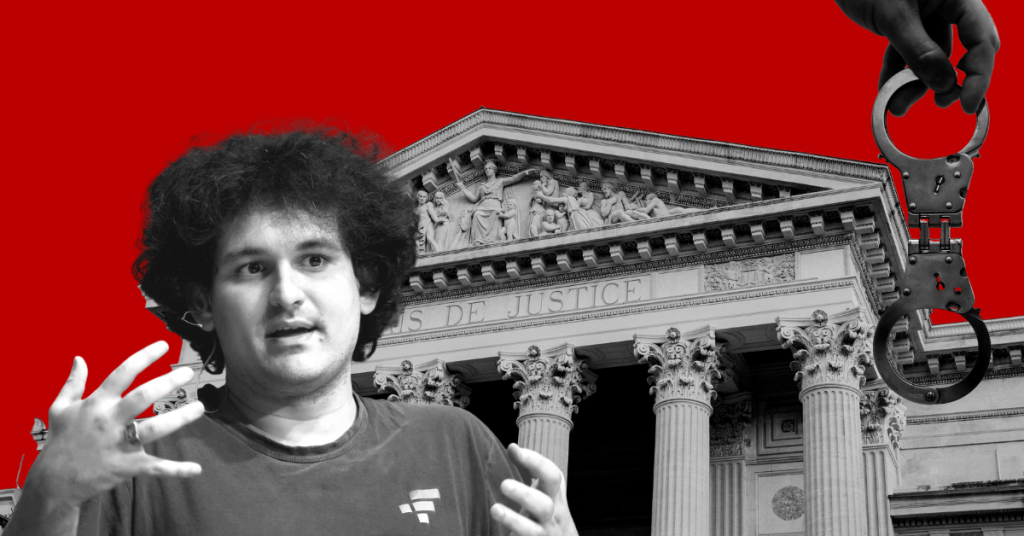
The post Paul Grewal’s Insightful Commentary on SBF’s Trial: What to Expect from Jury Selection appeared first on Coinpedia Fintech News The trial of Sam Bankman-Fried (SBF), the embattled 31-year-old founder of the now-defunct cryptocurrency exchange FTX, is set to begin this week. With seven criminal charges already on the table and five more pending for a March 2024 trial, Bankman-Fried looks at potential maximum sentences adding up to 110 years. This is not merely a case against a single entrepreneur but a potential defining moment for the legitimacy and credibility of the crypto industry. Amid this intense backdrop, Paul Grewal, Chief Legal Officer at Coinbase and a seasoned veteran with federal jury selections took to Twitter to offer his expert analysis on what to expect as Judge Lewis Kaplan begins the jury selection process. Federal judges take jury selection quite seriously. I'm sure that tomorrow am, Judge Kaplan will be no exception as he begins trial in the case against SBF. As someone who picked 35ish juries in federal court, I have a few thoughts on what to expect. — paulgrewal.eth (@iampaulgrewal) October 3, 2023 Dissecting Paul’s insights Grewal’s first thought emphasized that the days of protracted jury selections are essentially over. “I’d expect things to move quick,” he tweeted, stressing the importance of a fair trial and not wasting potential jurors’ time. His second insight underscored federal judges’ proactive role in jury selection. “They don’t just hand over the process to the lawyers,” Grewal pointed out. Federal judges aim for impartiality, fully aware that legal teams are naturally skewed towards juries that favor their cause. The public’s collective civic duty also figured prominently in Grewal’s reflections. Contrary to popular belief, many people are not just seeking to evade jury duty but are often willing to participate. “It’s inspiring to see people from every walk of life come together in their now too rare collective civic responsibility,” Grewal added. Grewal’s final point was stark: while jury composition matters, what the prosecutor would pick over anything else is “damning evidence.” Grewal emphasized that there appears to be no shortage of such evidence against SBF. Also Read – Sam Bankman-Fried’s Trial Begins Tomorrow: What to Expect” Jury selection will begin at 9:30 a.m. ET tomorrow in the US District Court for the Southern District of New York. Judge Kaplan, already taking a firm stance against temporary bail for SBF, will preside over the process. Opening arguments are scheduled for Wednesday.