Generative AI’s Technology Is Not Yet Fully Optimized for Healthcare
Summary
Generative artificial intelligence (AI) faces many growing pains as it seeks its footing. In a recent survey, management consulting firm Bain & Company reveals that the main barriers to generative AI in healthcare are a lack of resources, expertise and regulation, with data access and quality and organizational resistance close behind. The recurring theme across industry studies is that generative AI in healthcare is nascent and needs time to prove its efficacy and to earn public trust. Robust benchmarks will increase confidence. The lesson for technology companies, pharmaceutical firms and healthcare providers considering generative AI in their strategies is that the technology is not yet fully optimized for healthcare. For generative AI to bear fruit, it needs investors, technology, resources, expertise, LLMs trained with healthcare-specific data, and robust guidelines. Ultimately, society needs to be ready for and comfortable with the involvement of generative AI in managing patient health and treatment. The task ahead entails expanding resources and expertise, training models on healthcare-specific data and establishing robust benchmarks. In time, through multiple iterations, generative AI will sharpen its analysis. Developers will fine-tune the benchmarks and criteria used in their models, aligning them with emerging regulatory guidelines. The result will be improved accuracy in diagnoses and recommended treatments. Ethical guidelines and human readiness will shape generative AI use and governance. Regulators are urged to move fast, but doing so too quickly could bring unintended consequences. The same caution applies to technology companies that are eager to earn a profit from their innovations. AI tools that gain FDA approval are setting a precedent for what will become commonplace in the future. The potential downside may be that ethical dilemmas will prompt companies and regulators to reconsider their positions. According to a recent study, Americans have mixed feelings about the use of generative AI in their healthcare. While they are enthusiastic about the potential benefits, most Americans are hesitant to replace their medical professionals with this technology. These sentiments may shift over time as technology matures and regulatory guidelines become more robust.The post Generative AI’s Technology Is Not Yet Fully Optimized for Healthcare first appeared on PYMNTS.com.
Eight Republicans voted against Republican Representative McCarthy, making it the first time in U.S. history that the House Speaker has been ousted by Con…
Crypto-friendly Patrick McHenry takes interim House Speaker position
Digital Currencies
Summary
Eight Republicans voted against Republican Representative McCarthy, making it the first time in U.S. history that the House Speaker has been ousted by Congress.
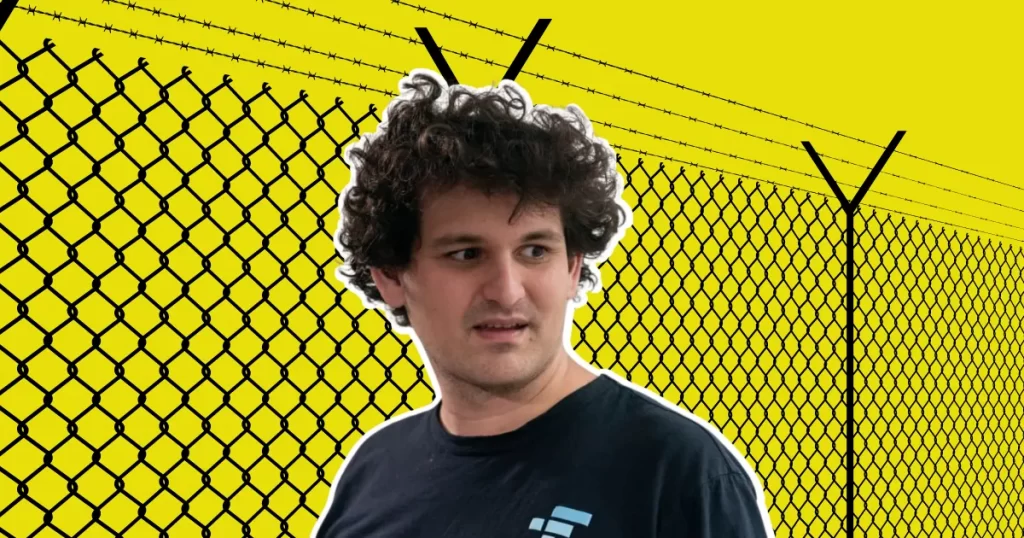
The post Potential Outcomes in the High-Profile Trial of FTX Founder Sam Bankman-Fried – Experts Debate appeared first on Coinpedia Fintech News FTX found…
Potential Outcomes in the High-Profile Trial of FTX Founder Sam Bankman-Fried – Experts Debate
Banking Infrastructure · Digital Currencies
Summary
The post Potential Outcomes in the High-Profile Trial of FTX Founder Sam Bankman-Fried – Experts Debate appeared first on Coinpedia Fintech News FTX founder Sam Bankman-Fried finds himself engulfed in a whirlwind of legal turmoil, sparking widespread speculation about the potential outcomes of his impending trial. Some legal analysts predict a decades-long sentence, while others believe his political connections may offer a shield against severe consequences. A Gamble on Trial: Ego or Strategy? Attorney John Deaton has weighed in on the matter, suggesting that Bankman-Fried’s ego might drive him to gamble with an all-or-nothing strategy at trial, despite estimates of a 10–20-year sentence if he pleads guilty. Deaton speculates that the entrepreneur will attempt to sway the jury by portraying his actions as well-intentioned mistakes. However, legal experts say this approach is fraught with risk, as it could spectacularly backfire. I’ve seen estimates of 10-20 years. That would be a very light sentence in this case. If he pled guilty, he might get that light of a sentence. But SBFraud is a narcissist and a megalomaniac. He will testify. He sees the jury the same as being interviewed by @andrewrsorkin. He… https://t.co/iVIe8UMm8d— John E Deaton (@JohnEDeaton1) October 3, 2023 The Double-Edged Sword of Arrogance and Political Connections Deaton further opines that Bankman-Fried’s past displays of narcissism and a dismissive attitude towards regulators, evident in previous interviews, may not bode well in a courtroom setting. He even suggests that such posturing could lead to a staggering sentence of up to 50 years. Conversely, some legal experts posit that Bankman-Fried’s political affiliations might be pivotal in seeking leniency. Nonetheless, the sheer scale of losses and the audacity of the alleged fraud might overshadow any advantages gained through political ties. Skepticism Surrounding the Legal Process In a contrasting viewpoint, Scott Melker, also known as “The Wolf of All Streets,” expressed skepticism regarding the entire legal process. Melker’s tweet painted a bleak picture of the CEO’s arrest, describing it as a mere spectacle and revealing that the defendant had already endured months of incarceration. He also cast doubt on the probability of a conviction, suggesting that Bankman-Fried’s extensive network might insulate him from legal repercussions. SBF is politically connected, they’ll never arrest him!He was arrested in a matter of weeks. SBF’s arrest is just a farce, they’ll never put him in jail. He’s been in jail for months. SBF will never get convicted, he knows too many people!….. I bet he goes to jail for…— The Wolf Of All Streets (@scottmelker) October 3, 2023 A Case Under the Microscope Deaton and Melker’s tweet highlights the prevailing uncertainty and debate enveloping Bankman-Fried’s forthcoming trial. As the legal drama unfolds, both the cryptocurrency community and the general public will be keenly observing, with bated breath, how these divergent predictions pan out. The trial’s outcome is poised to significantly impact the cryptocurrency industry and its regulatory framework, generating immense interest and speculation from various quarters. Closing: The case against Bankman-Fried stands as a pivotal moment for the cryptocurrency industry, potentially influencing future regulatory approaches and industry practices. As the trial progresses, the sector awaits to see whether the disgraced CEO’s connections will afford him leniency or if the alleged scale of fraud will pave the way for a stringent sentence.
Ripple has secured a full license to provide digital payment token services in Singapore from the Monetary Authority of Singapore (MAS), four months after
Ripple has secured a full license to provide digital payment token services in Singapore from the Monetary Authority of Singapore (MAS), four months after