How does Cannafarm Ltd. use blockchain and cloud technologies in its production?
Summary
The post How does Cannafarm Ltd. use blockchain and cloud technologies in its production? appeared first on Coinpedia Fintech News Since 2018, a licensed British company, Cannafarm, has actively engaged in the production and supply of medical cannabis raw materials. Cannafarm’s products consist of distillates utilized within the pharmaceutical industry for the production of pain-relieving and antiepileptic drugs. Each ton of the organic distillate sold generates approximately $1,500,000 in revenue for the company. Cannafarm’s stability, market reputation, and profit are the results of the company’s investment in its own development. This ranges from automated farms in nine countries worldwide and a proprietary cultivation methodology allowing harvest every 35 days to progressive decentralized technologies integrated into production. Blockchain is not only decentralize finance. Blockchain was initially and most actively used in the financial environment as a tool to ensure transparency, security, and decentralization of payment systems. As a method of organizing and managing data, it has many advantages: Accessibility and openness of transaction information while maintaining the anonymity of network participants; Built-in mechanisms to counter unauthorized access, making it impossible to alter the data already entered into the blockchain; Automation of processes and reliability of transactions are ensures by smart contracts if they are use in the network. These advantages have demonstrated the potential of blockchain in various industries: medicine, insurance, pension funds, logistics, and manufacturing. So far, only a few companies, such as IBM, have integrated this technology into their business processes. The lack of enthusiasm in the market is primarily due to the complexity of integration: only large businesses with stable profits can afford a staff of specialists and the development of a complex decentralized ecosystem. Years of experience and growing demand for medical cannabis from pharmaceutical companies have allowed Cannafarm to modernize its productions and achieve certain successes. Currently, the company uses blockchain in the process of growing raw materials. Blockchain and Medical cannabis Legalization and usage of medical cannabis require constant control and transparency that will prevent the sale of raw materials on the black market, fraud, and violations of the law. Blockchain is the innovative, ideal solution that addresses this sector’s potential problems. In the case of Cannafarm, the blockchain ecosystem is use for the certification of batches of medical cannabis raw materials. As mentioned above, a new harvest is taken every 35 days and processed into a distillate supplied to the global market. Each batch receives a certificate of authenticity with data about the manufacturer and production dates. The decentralized architecture of the blockchain becomes the final touch: After each batch launch, its certificate is entered into the ecosystem using Ethereum smart contracts, creating a transaction. The transaction is stored in the blockchain and contains data about the certificate, its number, and the date of addition. Since blockchain is an open and immutable ledger, certificate data cannot be falsified or deleted. Still, they can be verified, thereby establishing its authenticity and the legality of the batch. Blockchain and Investments The versatility of blockchain technology has allowed Cannafarm to use it not only for batch control. The company’s investment proposal incorporates decentralized distributed ledger technology and cryptocurrencies, enabling every investor to actively participate in advancing the medical cannabis sector and realizing profits in this rapidly growing industry. Cannafarm offers four investment plans with up to 3% daily returns. The company uses the attracted financing to expand the production of new batches of raw materials. And it guarantees investor profits through the sale of products on the international market. Blockchain and smart contracts make the investment process transparent and secure. Only cryptocurrencies, including Ethereum and Bitcoin, are use for deposits. Which can withdrawn from the deposit at any time if the investor changes their mind for some reason. Such investments are convenient for the investor, anonymous, and guaranteed to yield returns, as they are manage by automated smart contracts. Cannafarm Ltd. is one of the first companies in the market to successfully implement the innovative capabilities of blockchain technology in various niches of its activities.
The post Analyzing the Effect of Approval of Ethereum ETF on Solana: Market Trends and Price Prediction appeared first on Coinpedia Fintech News The news …
Analyzing the Effect of Approval of Ethereum ETF on Solana: Market Trends and Price Prediction
Blockchain · Digital Currencies
Summary
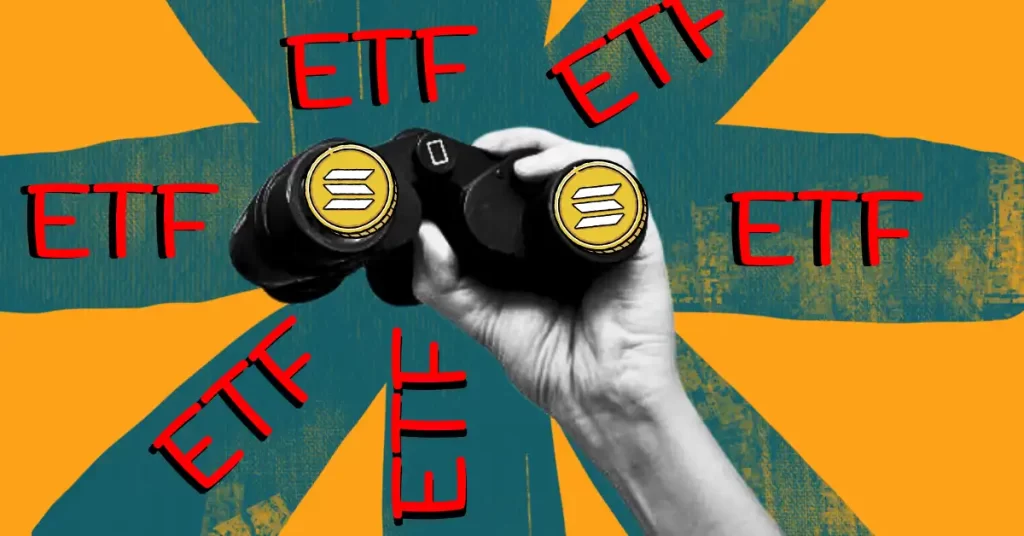
The post Analyzing the Effect of Approval of Ethereum ETF on Solana: Market Trends and Price Prediction appeared first on Coinpedia Fintech News The news of the approval of Ethereum ETFs by the U.S. Securities and Exchange Commission has influenced the cryptocurrency market immensely, particularly affecting Solana. Within this regulatory change, market experts indicate the rapidly changing dynamics and what it means for Solana investors. Solana’s Potential for an ETF With the approval of the Ethereum ETF by the US SEC, the question of whether Solana might also have an ETF emerges. Borovik, an observer on social platform X, indicated that the same similarities exist between Ethereum and Solana, to imply possibly a future route for the ETF of Solana. Ethereum getting a spot ETF literally means that Solana can get one also– both held an ICO– They both do the same thing– they are both used in the same wayI bet Solana gets an ETF during Trumps term— borovik (@3orovik) May 23, 2024 Anthony Scaramucci, the cofounder of SkyBridge Capital, shares a similar view that a SOL ETF will be announced in the future, citing the importance of Solana in the crypto space. Regulatory Hurdles and Market Response While some experts are optimistic about the possibility of a SOL ETF, regulatory difficulties will have to be overcome. Solana, being an altcoin, is under the radar of the SEC as it is considered an unregistered security. While the SEC has allowed Bitcoin and Ethereum to be considered commodities, Solana has no such recognition. Its recent approval of the spot ETF of Ethereum would underscore this regulatory complexity and subsequently Solana’s short-term price movement. Solana’s Price Volatility Amid Market Dynamics Following the Ethereum ETF approval, Solana has seen significant price movements. Its price dipped to a 7-day low following Ethereum’s market dominance and as the market became cautious. Observers note that there exists a connection between regulatory acceptance of Ethereum and price volatility in Solana, which indicates that major cryptocurrencies are in a correlated response to regulatory shifts. Recent staking trends have been reflective of a more cautious approach from Solana investors and node validators. As Ethereum ETFs continue to attract the attention of institutions, Solana stakeholders pulled out substantial amounts of SOL from staking contracts, possibly fearful of market uncertainties. This amount of unstaking reflects investors’ fears over the bearish impact it could have on the price trajectory of Solana. Price Forecast and Market Outlook In spite of Solana’s bounce above key support levels, sentiment in the futures markets remains bearish. Short traders dominate the scene, betting that SOL price would fail to break past key resistance levels. With significant leverage SHORT positions in play, Solana will find it hard to sustain a price uptrend in the near term. Key resistance areas and psychological support levels are telling insights into Solana’s short-term price movements amidst evolving market dynamics.
HSBC today announced the inauguration of its new U.S. headquarters at The Spiral, a renowned office building in New York City’s Hudson Yards neighborhood,…
HSBC today announced the inauguration of its new U.S. headquarters at The Spiral, a renowned office building in New York City’s Hudson Yards neighborhood, marking its largest U.S. relocation to date.
On the latest episode of Hashing It Out, Avail’s co-founder explains the need to unify multiple networks in the Web3 space, not just ideologically but thr…
Hashing It Out: Navigating the next wave of Web3 with Avail’s Anurag Arjun
Digital Currencies
Summary
On the latest episode of Hashing It Out, Avail’s co-founder explains the need to unify multiple networks in the Web3 space, not just ideologically but through innovation.