How does Cannafarm Ltd. use blockchain and cloud technologies in its production?
Summary
The post How does Cannafarm Ltd. use blockchain and cloud technologies in its production? appeared first on Coinpedia Fintech News Since 2018, a licensed British company, Cannafarm, has actively engaged in the production and supply of medical cannabis raw materials. Cannafarm’s products consist of distillates utilized within the pharmaceutical industry for the production of pain-relieving and antiepileptic drugs. Each ton of the organic distillate sold generates approximately $1,500,000 in revenue for the company. Cannafarm’s stability, market reputation, and profit are the results of the company’s investment in its own development. This ranges from automated farms in nine countries worldwide and a proprietary cultivation methodology allowing harvest every 35 days to progressive decentralized technologies integrated into production. Blockchain is not only decentralize finance. Blockchain was initially and most actively used in the financial environment as a tool to ensure transparency, security, and decentralization of payment systems. As a method of organizing and managing data, it has many advantages: Accessibility and openness of transaction information while maintaining the anonymity of network participants; Built-in mechanisms to counter unauthorized access, making it impossible to alter the data already entered into the blockchain; Automation of processes and reliability of transactions are ensures by smart contracts if they are use in the network. These advantages have demonstrated the potential of blockchain in various industries: medicine, insurance, pension funds, logistics, and manufacturing. So far, only a few companies, such as IBM, have integrated this technology into their business processes. The lack of enthusiasm in the market is primarily due to the complexity of integration: only large businesses with stable profits can afford a staff of specialists and the development of a complex decentralized ecosystem. Years of experience and growing demand for medical cannabis from pharmaceutical companies have allowed Cannafarm to modernize its productions and achieve certain successes. Currently, the company uses blockchain in the process of growing raw materials. Blockchain and Medical cannabis Legalization and usage of medical cannabis require constant control and transparency that will prevent the sale of raw materials on the black market, fraud, and violations of the law. Blockchain is the innovative, ideal solution that addresses this sector’s potential problems. In the case of Cannafarm, the blockchain ecosystem is use for the certification of batches of medical cannabis raw materials. As mentioned above, a new harvest is taken every 35 days and processed into a distillate supplied to the global market. Each batch receives a certificate of authenticity with data about the manufacturer and production dates. The decentralized architecture of the blockchain becomes the final touch: After each batch launch, its certificate is entered into the ecosystem using Ethereum smart contracts, creating a transaction. The transaction is stored in the blockchain and contains data about the certificate, its number, and the date of addition. Since blockchain is an open and immutable ledger, certificate data cannot be falsified or deleted. Still, they can be verified, thereby establishing its authenticity and the legality of the batch. Blockchain and Investments The versatility of blockchain technology has allowed Cannafarm to use it not only for batch control. The company’s investment proposal incorporates decentralized distributed ledger technology and cryptocurrencies, enabling every investor to actively participate in advancing the medical cannabis sector and realizing profits in this rapidly growing industry. Cannafarm offers four investment plans with up to 3% daily returns. The company uses the attracted financing to expand the production of new batches of raw materials. And it guarantees investor profits through the sale of products on the international market. Blockchain and smart contracts make the investment process transparent and secure. Only cryptocurrencies, including Ethereum and Bitcoin, are use for deposits. Which can withdrawn from the deposit at any time if the investor changes their mind for some reason. Such investments are convenient for the investor, anonymous, and guaranteed to yield returns, as they are manage by automated smart contracts. Cannafarm Ltd. is one of the first companies in the market to successfully implement the innovative capabilities of blockchain technology in various niches of its activities.
The post Paul Grewal’s Insightful Commentary on SBF’s Trial: What to Expect from Jury Selection appeared first on Coinpedia Fintech News The trial of Sam …
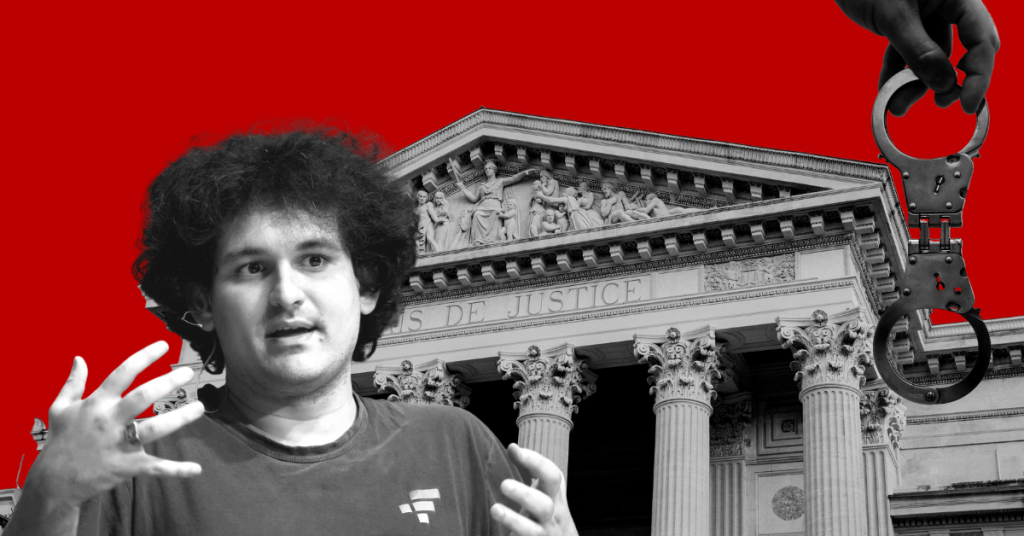
Paul Grewal’s Insightful Commentary on SBF’s Trial: What to Expect from Jury Selection
Digital Currencies
Summary
The post Paul Grewal’s Insightful Commentary on SBF’s Trial: What to Expect from Jury Selection appeared first on Coinpedia Fintech News The trial of Sam Bankman-Fried (SBF), the embattled 31-year-old founder of the now-defunct cryptocurrency exchange FTX, is set to begin this week. With seven criminal charges already on the table and five more pending for a March 2024 trial, Bankman-Fried looks at potential maximum sentences adding up to 110 years. This is not merely a case against a single entrepreneur but a potential defining moment for the legitimacy and credibility of the crypto industry. Amid this intense backdrop, Paul Grewal, Chief Legal Officer at Coinbase and a seasoned veteran with federal jury selections took to Twitter to offer his expert analysis on what to expect as Judge Lewis Kaplan begins the jury selection process. Federal judges take jury selection quite seriously. I'm sure that tomorrow am, Judge Kaplan will be no exception as he begins trial in the case against SBF. As someone who picked 35ish juries in federal court, I have a few thoughts on what to expect. — paulgrewal.eth (@iampaulgrewal) October 3, 2023 Dissecting Paul’s insights Grewal’s first thought emphasized that the days of protracted jury selections are essentially over. “I’d expect things to move quick,” he tweeted, stressing the importance of a fair trial and not wasting potential jurors’ time. His second insight underscored federal judges’ proactive role in jury selection. “They don’t just hand over the process to the lawyers,” Grewal pointed out. Federal judges aim for impartiality, fully aware that legal teams are naturally skewed towards juries that favor their cause. The public’s collective civic duty also figured prominently in Grewal’s reflections. Contrary to popular belief, many people are not just seeking to evade jury duty but are often willing to participate. “It’s inspiring to see people from every walk of life come together in their now too rare collective civic responsibility,” Grewal added. Grewal’s final point was stark: while jury composition matters, what the prosecutor would pick over anything else is “damning evidence.” Grewal emphasized that there appears to be no shortage of such evidence against SBF. Also Read – Sam Bankman-Fried’s Trial Begins Tomorrow: What to Expect” Jury selection will begin at 9:30 a.m. ET tomorrow in the US District Court for the Southern District of New York. Judge Kaplan, already taking a firm stance against temporary bail for SBF, will preside over the process. Opening arguments are scheduled for Wednesday.