How does Cannafarm Ltd. use blockchain and cloud technologies in its production?
Summary
The post How does Cannafarm Ltd. use blockchain and cloud technologies in its production? appeared first on Coinpedia Fintech News Since 2018, a licensed British company, Cannafarm, has actively engaged in the production and supply of medical cannabis raw materials. Cannafarm’s products consist of distillates utilized within the pharmaceutical industry for the production of pain-relieving and antiepileptic drugs. Each ton of the organic distillate sold generates approximately $1,500,000 in revenue for the company. Cannafarm’s stability, market reputation, and profit are the results of the company’s investment in its own development. This ranges from automated farms in nine countries worldwide and a proprietary cultivation methodology allowing harvest every 35 days to progressive decentralized technologies integrated into production. Blockchain is not only decentralize finance. Blockchain was initially and most actively used in the financial environment as a tool to ensure transparency, security, and decentralization of payment systems. As a method of organizing and managing data, it has many advantages: Accessibility and openness of transaction information while maintaining the anonymity of network participants; Built-in mechanisms to counter unauthorized access, making it impossible to alter the data already entered into the blockchain; Automation of processes and reliability of transactions are ensures by smart contracts if they are use in the network. These advantages have demonstrated the potential of blockchain in various industries: medicine, insurance, pension funds, logistics, and manufacturing. So far, only a few companies, such as IBM, have integrated this technology into their business processes. The lack of enthusiasm in the market is primarily due to the complexity of integration: only large businesses with stable profits can afford a staff of specialists and the development of a complex decentralized ecosystem. Years of experience and growing demand for medical cannabis from pharmaceutical companies have allowed Cannafarm to modernize its productions and achieve certain successes. Currently, the company uses blockchain in the process of growing raw materials. Blockchain and Medical cannabis Legalization and usage of medical cannabis require constant control and transparency that will prevent the sale of raw materials on the black market, fraud, and violations of the law. Blockchain is the innovative, ideal solution that addresses this sector’s potential problems. In the case of Cannafarm, the blockchain ecosystem is use for the certification of batches of medical cannabis raw materials. As mentioned above, a new harvest is taken every 35 days and processed into a distillate supplied to the global market. Each batch receives a certificate of authenticity with data about the manufacturer and production dates. The decentralized architecture of the blockchain becomes the final touch: After each batch launch, its certificate is entered into the ecosystem using Ethereum smart contracts, creating a transaction. The transaction is stored in the blockchain and contains data about the certificate, its number, and the date of addition. Since blockchain is an open and immutable ledger, certificate data cannot be falsified or deleted. Still, they can be verified, thereby establishing its authenticity and the legality of the batch. Blockchain and Investments The versatility of blockchain technology has allowed Cannafarm to use it not only for batch control. The company’s investment proposal incorporates decentralized distributed ledger technology and cryptocurrencies, enabling every investor to actively participate in advancing the medical cannabis sector and realizing profits in this rapidly growing industry. Cannafarm offers four investment plans with up to 3% daily returns. The company uses the attracted financing to expand the production of new batches of raw materials. And it guarantees investor profits through the sale of products on the international market. Blockchain and smart contracts make the investment process transparent and secure. Only cryptocurrencies, including Ethereum and Bitcoin, are use for deposits. Which can withdrawn from the deposit at any time if the investor changes their mind for some reason. Such investments are convenient for the investor, anonymous, and guaranteed to yield returns, as they are manage by automated smart contracts. Cannafarm Ltd. is one of the first companies in the market to successfully implement the innovative capabilities of blockchain technology in various niches of its activities.
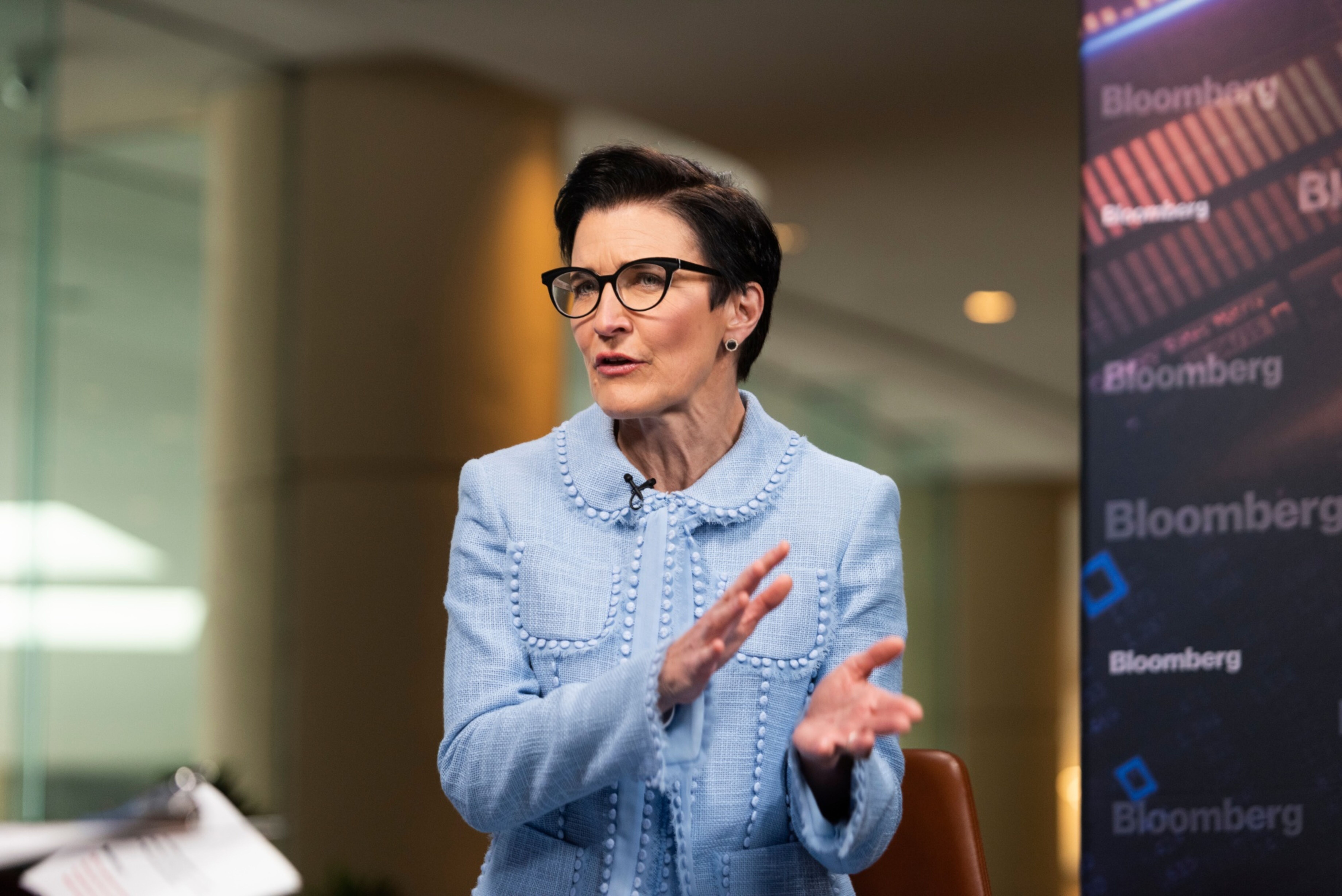
The bank has already axed 5,000 jobs this year, costing $400 million in severance in the second quarter alone. This next phase will be more about eliminat…
A fed-up Jane Fraser is downsizing at Citigroup to fight bank's painful slump
Investments
Summary
The bank has already axed 5,000 jobs this year, costing $400 million in severance in the second quarter alone. This next phase will be more about eliminating the executive roles that sit two or three layers below the CEO.
The post Will a Subpoena be Issued to SEC Chair Gary Gensler? Congressman Answers appeared first on Coinpedia Fintech News During a discussion about crypt…
Will a Subpoena be Issued to SEC Chair Gary Gensler? Congressman Answers
Money Transfer · Blockchain · Digital Currencies
Summary
The post Will a Subpoena be Issued to SEC Chair Gary Gensler? Congressman Answers appeared first on Coinpedia Fintech News During a discussion about cryptocurrency regulations, Congressman Warren Davidson recently expressed concerns about the actions of Gary Gensler, the Chairman of the U.S. Securities and Exchange Commission (SEC). Davidson, a House Financial Services Committee member, highlighted the need for transparency and accountability within the SEC. During the conversation with Thinking Crypto, Davidson also discussed possibly issuing a subpoena to Gary Gensler to obtain necessary documents and communications related to the SEC’s activities. He said that patience with Gensler’s leadership had worn thin, and a subpoena might be necessary to ensure transparency and cooperation. Davidson believed that the SEC’s actions and lack of clear regulations have hindered the cryptocurrency industry’s growth. He cited fraud cases and the need for structural changes within the SEC as significant concerns. The discussion also touched on the SEC’s previous stance on Ethereum, where a speech by former SEC official Bill Hinman was considered guidance by the industry. However, recent revelations have raised questions about the ethics and transparency of that decision. He hopes that the recent court criticisms of the SEC’s actions in the Ripple vs. SEC case will make the SEC change its approach to regulating cryptocurrencies. He also believes that the SEC’s current method of using the Howey test as its primary guideline for determining if something is a security is too vague and that there should be clear laws specifically for digital assets. Davidson also said that having real contracts is crucial when the SEC claims something is an investment contract. Regarding Central Bank Digital Currencies (CBDCs), Davidson argued against their implementation, suggesting that they could be used as tools for government control and coercion. He emphasized the importance of sound and strong money and expressed skepticism about the need for a U.S. CBDC.
A synthetic asset represents real-world assets digitally, created and traded on blockchain networks, mirroring the value and behavior of its underlying co…
A synthetic asset represents real-world assets digitally, created and traded on blockchain networks, mirroring the value and behavior of its underlying counterpart.
The post Brian Armstrong’s 2024 Bitcoin Price Prediction: Get Ready for the Next Crypto Bull Run appeared first on Coinpedia Fintech News Brian Armstrong,…
Brian Armstrong’s 2024 Bitcoin Price Prediction: Get Ready for the Next Crypto Bull Run
Digital Currencies
Summary
The post Brian Armstrong’s 2024 Bitcoin Price Prediction: Get Ready for the Next Crypto Bull Run appeared first on Coinpedia Fintech News Brian Armstrong, the CEO and founder of Coinbase, a pioneering public cryptocurrency exchange in the U.S., recently shared his insights on the future trajectory of cryptocurrency. Having weathered the storms of U.S. regulation and watched the digital currency space evolve, Armstrong’s take on what lies ahead is both fascinating and important for us crypto enthusiasts. From the Internet to Crypto Drawing a parallel between the internet’s early days and the current state of crypto, Armstrong reflected on how initial skepticism and distrust of new technology often transition to widespread acceptance. The internet, once perceived as an odd, alternative platform, has now overshadowed traditional media forms. Similarly, while early crypto enthusiasts might have been seen as outsiders or high-risk takers, the field is gradually pulling in a more diverse crowd. It’s not just about the technology anymore but its broader applications, from the art world to remittances and beyond. Battles With The Regulators Armstrong is no stranger to regulatory skirmishes, especially with the Securities and Exchange Commission (SEC). But with recent legal victories suggesting a favorable tide for crypto, there’s optimism in the air. During the All In Summit, Armstrong touched on the vital theme of crypto regulation and his vision for the industry’s path forward. Though advocating for innovation, Armstrong doesn’t shy away from the necessity of regulatory frameworks. Drawing from traditional financial industry practices, he believes in establishing essential rules that promote both safety and innovation. While centralized crypto entities should follow strict guidelines, decentralized platforms, he feels, should be treated more similarly to software entities. While Armstrong extensively discussed the current state of cryptocurrency, he dropped hints about what the future holds. Predicting the next wave of crypto popularity and adoption, Armstrong suggests that a range of emerging use cases are paving the way for another significant bull run in the market during the first half of 2024. His reason is as the crypto industry matures and evolves, these triggers will catalyze a surge, bringing in a new wave of investors, innovations, and opportunities.
The Ethereum co-founder proposes a solution that could lower the likelihood of any individual liquid staking provider growing to a point where it poses a …
Vitalik Buterin voices concerns over DAOs approving ETH staking pool operators
Blockchain · Digital Currencies
Summary
The Ethereum co-founder proposes a solution that could lower the likelihood of any individual liquid staking provider growing to a point where it poses a systemic risk.