Fintech Radar
Discover fintech stories from around the web.
← Fintech Radar
CoinPedia · Oct. 6, 2023
How does Cannafarm Ltd. use blockchain and cloud technologies in its production?
Summary
The post How does Cannafarm Ltd. use blockchain and cloud technologies in its production? appeared first on Coinpedia Fintech News Since 2018, a licensed British company, Cannafarm, has actively engaged in the production and supply of medical cannabis raw materials. Cannafarm’s products consist of distillates utilized within the pharmaceutical industry for the production of pain-relieving and antiepileptic drugs. Each ton of the organic distillate sold generates approximately $1,500,000 in revenue for the company. Cannafarm’s stability, market reputation, and profit are the results of the company’s investment in its own development. This ranges from automated farms in nine countries worldwide and a proprietary cultivation methodology allowing harvest every 35 days to progressive decentralized technologies integrated into production. Blockchain is not only decentralize finance. Blockchain was initially and most actively used in the financial environment as a tool to ensure transparency, security, and decentralization of payment systems. As a method of organizing and managing data, it has many advantages: Accessibility and openness of transaction information while maintaining the anonymity of network participants; Built-in mechanisms to counter unauthorized access, making it impossible to alter the data already entered into the blockchain; Automation of processes and reliability of transactions are ensures by smart contracts if they are use in the network. These advantages have demonstrated the potential of blockchain in various industries: medicine, insurance, pension funds, logistics, and manufacturing. So far, only a few companies, such as IBM, have integrated this technology into their business processes. The lack of enthusiasm in the market is primarily due to the complexity of integration: only large businesses with stable profits can afford a staff of specialists and the development of a complex decentralized ecosystem. Years of experience and growing demand for medical cannabis from pharmaceutical companies have allowed Cannafarm to modernize its productions and achieve certain successes. Currently, the company uses blockchain in the process of growing raw materials. Blockchain and Medical cannabis Legalization and usage of medical cannabis require constant control and transparency that will prevent the sale of raw materials on the black market, fraud, and violations of the law. Blockchain is the innovative, ideal solution that addresses this sector’s potential problems. In the case of Cannafarm, the blockchain ecosystem is use for the certification of batches of medical cannabis raw materials. As mentioned above, a new harvest is taken every 35 days and processed into a distillate supplied to the global market. Each batch receives a certificate of authenticity with data about the manufacturer and production dates. The decentralized architecture of the blockchain becomes the final touch: After each batch launch, its certificate is entered into the ecosystem using Ethereum smart contracts, creating a transaction. The transaction is stored in the blockchain and contains data about the certificate, its number, and the date of addition. Since blockchain is an open and immutable ledger, certificate data cannot be falsified or deleted. Still, they can be verified, thereby establishing its authenticity and the legality of the batch. Blockchain and Investments The versatility of blockchain technology has allowed Cannafarm to use it not only for batch control. The company’s investment proposal incorporates decentralized distributed ledger technology and cryptocurrencies, enabling every investor to actively participate in advancing the medical cannabis sector and realizing profits in this rapidly growing industry. Cannafarm offers four investment plans with up to 3% daily returns. The company uses the attracted financing to expand the production of new batches of raw materials. And it guarantees investor profits through the sale of products on the international market. Blockchain and smart contracts make the investment process transparent and secure. Only cryptocurrencies, including Ethereum and Bitcoin, are use for deposits. Which can withdrawn from the deposit at any time if the investor changes their mind for some reason. Such investments are convenient for the investor, anonymous, and guaranteed to yield returns, as they are manage by automated smart contracts. Cannafarm Ltd. is one of the first companies in the market to successfully implement the innovative capabilities of blockchain technology in various niches of its activities.
Read on source ↗
From the fintech ecosystem

Digital Currencies
At Sibos 2023, David Loeser, Senior Director, Product Strategy at LexisNexis® Risk Solutions, discusses the trade finance gap and the impact of shifting r…
Finextra · Sept. 29, 2023
Trade finance – the weakest link?
Digital Currencies
Summary
At Sibos 2023, David Loeser, Senior Director, Product Strategy at LexisNexis® Risk Solutions, discusses the trade finance gap and the impact of shifting regulations on financial institutions, cargo carriers and insurers. He also shares insights into red flags for potential sanctions violations and trade-based money laundering, plus the transformative power of digitization in bridging the trade fin...
Read on source ↗

Digital Currencies
The post Congressman Proposes Bill for Centralized Records of Off-Chain Crypto Transactions appeared first on Coinpedia Fintech News There’s a growing con…
CoinPedia · Sept. 29, 2023
Congressman Proposes Bill for Centralized Records of Off-Chain Crypto Transactions
Digital Currencies
Summary
The post Congressman Proposes Bill for Centralized Records of Off-Chain Crypto Transactions appeared first on Coinpedia Fintech News There’s a growing concern about off-chain transactions in the crypto industry. These are trades that occur away from the public eye and remain unrecorded on the publicly accessible blockchain. Recognizing the potential risks involved in these shadow trades, U.S. Representative Don Beyer from Virginia has spearheaded a move towards greater accountability. The Rise of Off-Chain Transactions It is a well-known fact that the crypto market thrives on the promise of transparency. The essence of blockchain technology, which forms the backbone of the industry, ensures that transactions are open for public verification. Yet, as large-scale trading platforms came into play, optimizing transaction speeds and reducing costs became a priority. This push led to a proliferation of off-chain trades, which escape public scrutiny. While many of these platforms maintain their private records, the quality and accuracy of these ledgers can be inconsistent at best. Such gaps can potentially open doors for disputes and even fraudulent activities. Bringing Accountability to the Shadows Representative Beyer’s newly proposed Off-Chain Digital Commodity Transaction Reporting Act seeks to cast light on these shadow transactions. The aim is clear: safeguard those engaged in the digital asset market. If passed, trading platforms would need to report all off-chain trades to a repository overseen by the Commodity Futures Trading Commission (CFTC) within a day. By ensuring that all off-chain digital asset trades are reported promptly, the legislation hopes to mirror the kind of oversight present in securities and swap transactions. In essence, this move is less about stifling the market and more about building a secure environment for both investors and consumers, according to him. In his words: “Unfortunately, internal record keeping among these private entities can vary wildly, and this can leave investors and consumers vulnerable to fraud and manipulation. This bill is a common-sense measure to restore some transparency and confidence to the digital asset market.”
Read on source ↗
Digital Currencies
The post Protecting User Funds: The Real Story Behind Gemini’s $282 Million Move appeared first on Coinpedia Fintech News Gemini, the prominent cryptocurr…
CoinPedia · Sept. 29, 2023
Protecting User Funds: The Real Story Behind Gemini’s $282 Million Move
Digital Currencies
Summary
The post Protecting User Funds: The Real Story Behind Gemini’s $282 Million Move appeared first on Coinpedia Fintech News Gemini, the prominent cryptocurrency platform run by the Winklevoss twins, has publicly expressed their dismay over a recent article from the New York Post. According to the platform, the story in question paints a misleading picture of the infamous Gemini Earn program. Setting the Record Straight The heart of the controversy revolves around a hefty sum of $282 million. The New York Post had put forth claims regarding this amount, which Gemini has since refuted. Contrary to the story’s insinuations, this money was neither linked to the private accounts of founders Cameron and Tyler Winklevoss nor related to the resources of their investment entity, Winklevoss Capital. We are disappointed that the @nypost has chosen to recklessly publish a completely misleading story about the Gemini Earn program. Everything the Post alleges in its story is the exact opposite. The $282 million that was withdrawn from Genesis in August 2022 was in fact Earn…— GeminiTrustCo (@GeminiTrustCo) September 28, 2023 Gemini clarified that this sum belonged to users of the Earn program. The funds had been pulled back from Genesis, another entity associated with the cryptocurrency market, to fortify a protective measure known as a “liquidity reserve.” A Protective Move Amidst Market Chaos During the turbulent market phases throughout 2022, Gemini made a calculated move to enhance this liquidity reserve. This action ensured that users’ funds within the Earn program faced reduced exposure, particularly when Genesis suspended redemptions later that year. Looking back, the decision evidently shielded Gemini Earn users from potential financial setbacks amounting to millions, said the company. Gemini has shown concern over the portrayal of this protective measure. They believe that their decision, which safeguarded substantial user funds, has been presented out of context, hinting at a possible manipulation of public sentiment. The company—predictably—pointed a finger at Barry Silbert and DCG for being the driving force behind this skewed narrative, especially given Silbert’s ongoing legal complications. Gemini emphasized their openness to transparent communication and highlighted that the Post could have avoided the blunder had they sought clarity directly from the source. Instead, the hurried publication of a possibly skewed story reflects poorly on the tabloid’s commitment to its readership.
Services: Gemini
Read on source ↗
Lending · Digital Currencies · Blockchain
The post Valkyrie Launches Dual Cryptocurrency ETF: Ethereum Futures Now in Play! appeared first on Coinpedia Fintech News Valkyrie has taken a bold step …
CoinPedia · Sept. 29, 2023
Valkyrie Launches Dual Cryptocurrency ETF: Ethereum Futures Now in Play!
Lending · Digital Currencies · Blockchain
Summary
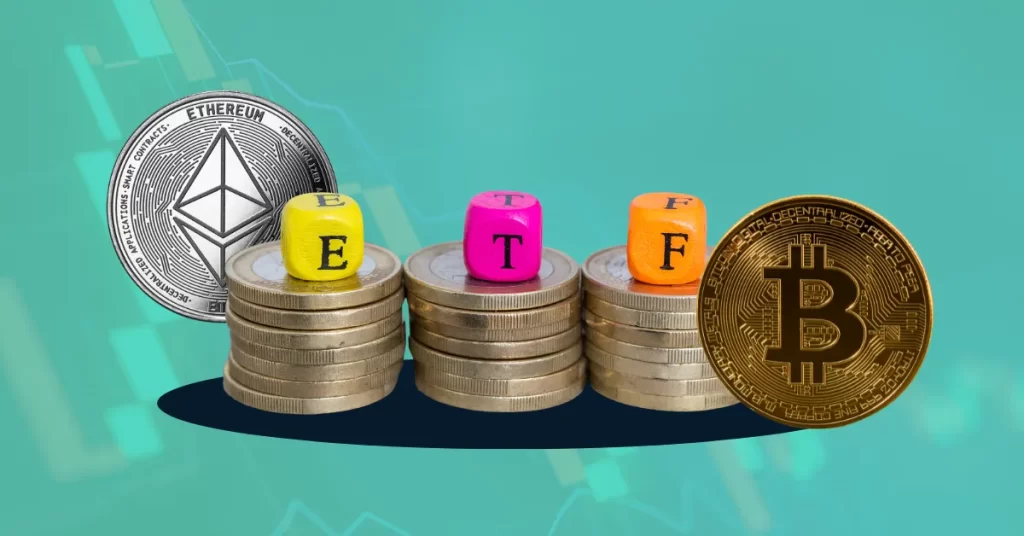
The post Valkyrie Launches Dual Cryptocurrency ETF: Ethereum Futures Now in Play! appeared first on Coinpedia Fintech News Valkyrie has taken a bold step forward by introducing Ethereum (ETH) futures contracts into its portfolio. This innovative move comes after receiving approval to transform its well-established Bitcoin futures exchange-traded fund (ETF) into a dual cryptocurrency vehicle. Introducing the Valkyrie Bitcoin and Ether Strategy ETF The Valkyrie Bitcoin Strategy ETF, identified by the ticker $BTF on Nasdaq, is now venturing into Ethereum’s realm. With this addition, it proudly holds the title of the premier US ETF offering investors the chance to engage in both Ethereum and Bitcoin futures contracts within a single investment portfolio. The transformation isn’t limited to adding Ether. On October 3rd, this fund will debut as the “Valkyrie Bitcoin and Ether Strategy ETF.” However, for those familiar with its former identity, the ticker, BTF, will remain unchanged. What sets Valkyrie apart from other competitors in the race for Ethereum futures ETF is its proactive approach. The firm swiftly enhanced its official documentation, integrating additional data and refining risk disclosures tailored to Ethereum futures, thus ensuring a smoother approval process. Also Read: Crypto News: Will the Ethereum ETF Outshine the Bitcoin ETF? Awaiting SEC’s Approval While this move marks a significant leap in the crypto ETF push, the Securities and Exchange Commission (SEC) has yet to give a thumbs up to any spot Bitcoin ETFs for active trading on American soil. Valkyrie isn’t alone in its quest for this approval; heavyweights like BlackRock and Bitwise are also in the queue, awaiting the SEC’s green signal for their respective spot crypto ETF proposals. Also Read: Top 6 Reasons Why BlackRock’s Spot Bitcoin ETF Approval is Close No formal guidelines As of now, the SEC has not issued formal guidelines permitting the introduction of a new Ether futures ETF on the prestigious Nasdaq Stock Exchange. Simultaneously, there’s speculation surrounding the commission’s request for further deliberation on the potential listing of the Valkyrie Bitcoin Fund, which revolves around a spot BTC ETF.
Services: October, Bitcoin, Ethereum
Read on source ↗

Digital Currencies
Sam Bankman-Fried drafted a set of tweets discussing his use of an antidepressant.
CoinDesk · Sept. 29, 2023
EmSam, Jury Questions and Another Denial for Bankman-Fried
Digital Currencies
Summary
Sam Bankman-Fried drafted a set of tweets discussing his use of an antidepressant.
Read on source ↗

Digital Currencies
“I'd say I'd need to know a little bit more about crypto and how people actually invest in it.” Asking New York City individuals about Sam Bankman-Fried a…
CoinDesk · Sept. 29, 2023
We Asked New Yorkers if They’d Heard of Sam Bankman-Fried
Digital Currencies
Summary
“I'd say I'd need to know a little bit more about crypto and how people actually invest in it.” Asking New York City individuals about Sam Bankman-Fried and being on the jury.
Read on source ↗

Digital Currencies
Sam Bankman-Fried drafted a set of tweets discussing his use of an antidepressant.
CoinDesk · Sept. 29, 2023
EnSam, Jury Questions and Another Denial for Bankman-Fried
Digital Currencies
Summary
Sam Bankman-Fried drafted a set of tweets discussing his use of an antidepressant.
Read on source ↗

Digital Currencies
Circle noted that assets pegged to USD are not securities, partly because users are not expecting any profit from acquiring them.
Cointelegraph · Sept. 29, 2023
Circle weighs in on SEC vs. Binance case, argues stablecoins are not securities
Digital Currencies
Summary
Circle noted that assets pegged to USD are not securities, partly because users are not expecting any profit from acquiring them.
Services: Binance
Read on source ↗
