How Ripple Case Developments Could Impact Ethereum’s Fate
Summary
The post How Ripple Case Developments Could Impact Ethereum’s Fate appeared first on Coinpedia Fintech News Ethereum’s early sales are making waves in the cryptocurrency community, drawing insights from recent SEC vs. Ripple lawsuit developments. Ashley Prosper, a prominent member of the XRP community, has shed light on five elements derived from the Ripple lawsuit, suggesting potential repercussions for Ethereum should the SEC decide to delve deeper into its past ICO dealings. Ethereum’s Spotlight: Ripple’s Court Insights The court’s findings in the Ripple lawsuit emphasized several critical factors regarding Ripple’s programmatic sales of XRP: The nature of these sales was likened to blind bid/ask transactions, with buyers unaware if their funds were directed to the blockchain firm. Such sales accounted for a mere sliver, less than 1%, of the global XRP trading activity. Ripple, during these transactions, did not make any commitments or offers, primarily because the company lacked knowledge of the identities of those buying XRP on exchanges. A significant number of these buyers remained oblivious to Ripple’s very existence. These XRP sales didn’t follow any contracts with clauses like lockup provisions or explicit statements of purpose. Ethereum’s Sales: A Subject of Contention Adding fuel to the Ethereum sales discourse was former Ethereum adviser Steven Nerayoff. He presented the inherent difficulty in pinpointing the exact number of Ethereum ICO buyers. His insights stirred debates and led to suspicions that some major players, or “whales”, could be concealing their Ethereum positions. The juxtaposition of the Ripple lawsuit’s findings with Ethereum’s historical sales opens a Pandora’s box of questions and potential regulatory scrutiny. Should the SEC choose to probe Ethereum’s past based on these Ripple precedents, Ethereum might find itself in a regulatory maze, raising concerns for its investors and stakeholders in the crypto industry.
Goldman Sachs Group Chief Executive Officer David Solomon defended the need to support traditional energy companies, batting away demands from climate act…
Goldman CEO dismisses calls to end ties to fossil-fuel firms
Digital Currencies
Summary
Goldman Sachs Group Chief Executive Officer David Solomon defended the need to support traditional energy companies, batting away demands from climate activists to abandon their clients in that sector.
The Securities and Exchange Commission — which charged Coinbase this year with operating as an unregistered securities exchange, broker and clearing house…
Coinbase role in crypto firm Celsius's bankruptcy plan questioned by SEC
Digital Currencies · Investments
Summary
The Securities and Exchange Commission — which charged Coinbase this year with operating as an unregistered securities exchange, broker and clearing house — says Coinbase Global's proposed involvement in Celsius Network's plan to emerge from bankruptcy raises many of the same concerns as those in the agency's lawsuit.
Bills focused on crypto regulation, market structure, and stablecoins could all be put on hold if U.S. lawmakers don't reach a decision on government spen…
Crypto bills could be delayed as many prepare for US gov't shutdown
Banking Infrastructure · Digital Currencies
Summary
Bills focused on crypto regulation, market structure, and stablecoins could all be put on hold if U.S. lawmakers don't reach a decision on government spending by Sept. 30.
The SEC is currently considering making the definition of an Accredited Investor more rigorous. This move may limit the number of individuals in the US who
SEC Commissioner Peirce: We Should Not Look to Impose Public Market Style Regulations on Private Markets. Meanwhile, Chair Gensler Aims to Change Reg D for the Worse
Digital Currencies
Summary
The SEC is currently considering making the definition of an Accredited Investor more rigorous. This move may limit the number of individuals in the US who
Jenny Craig has officially been reborn as a direct-to-consumer (D2C) brand. The company’s owner, Wellful, announced the relaunch Monday (Sept. 25), saying…
Jenny Craig Makes D2C Comeback With at-Home Delivery
Digital Currencies
Summary
Jenny Craig has officially been reborn as a direct-to-consumer (D2C) brand. The company’s owner, Wellful, announced the relaunch Monday (Sept. 25), saying consumers can visit the Jenny Craig website and buy the company’s home-delivery plan. “Our strong weight loss industry expertise, coupled with our proven success as an eCommerce company, made us extremely excited to acquire and launch the new Jenny Craig brand,” Steve Mikulak, president of Wellful’s Nutrisystem brand, said in a news release. “We preserved all the things that made Jenny Craig successful and that customers love most — the food, the structure, the program, the coaching — and integrated a sustainable business model. Today’s consumers simply expect products delivered quickly and easily to their door.” Jenny Craig announced in May it had closed down in North America following weeks of news reports about its struggles. “You may have heard the unfortunate news that Jenny Craig USA and Canada have closed and now filed for bankruptcy,” the company said on its Facebook page. As PYMNTS wrote at the time, the announcement came ahead of a news release from Nutrisystem saying Jenny Craig’s closure “had brought the conversation of brick-and-mortar versus online operations to the forefront yet again.” In July, Wellful announced it bought Jenny Craig’s assets and would revive it as an eCommerce company. “People that have known the Jenny brand — the core aspects around the great food, the coaching, the overall program and the success they previously had — they can expect again,” Wellful CEO Brandon Adcock said at the time. Meanwhile, there is growing demand for D2C meal delivery. PYMNTS Intelligence from the study “Connected Dining: Ready-to-Eat Meals Are Eating Restaurants’ Lunch,” showed that about 10% of consumers have ready-to-eat meals delivered to their house each month. In addition, data from PYMNTS’ study “12 Months of the ConnectedEconomy: 33,000 Consumers on Digital’s Role in Their Everyday Lives,” showed that nearly 1 in 3 consumers purchased meal kit subscriptions online, as of last November. “Additionally, diet foods allow the D2C channel to do exactly what it is best for — find devoted followers for niche products that may not fare as well through traditional retail channels,” PYMNTS wrote in July. “After all, not all consumers are on a diet, and even among those who are, the dietary space is now so fragmented that it is difficult for any one player to reach a wide enough audience to perform well via traditional retail channels.” For all PYMNTS retail coverage, subscribe to the daily Retail Newsletter.The post Jenny Craig Makes D2C Comeback With at-Home Delivery first appeared on PYMNTS.com.
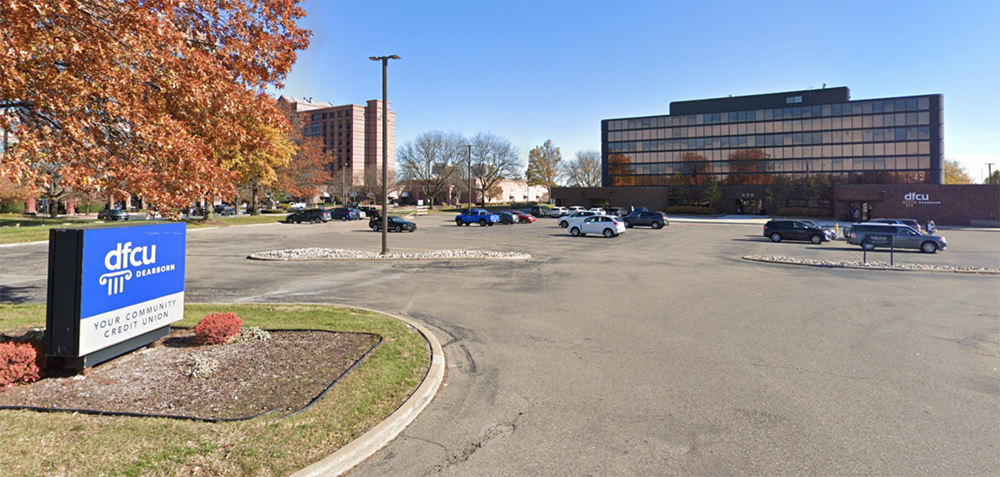
The Iowa-based bank says its two branches in Naples and Fort Myers were too small a presence to be competitive, so it decided to sell them to DFCU Financi…
MidWestOne to exit Florida by selling branches to credit union
Personal Finance · Digital Currencies
Summary
The Iowa-based bank says its two branches in Naples and Fort Myers were too small a presence to be competitive, so it decided to sell them to DFCU Financial.