Lloyds Bank has partnered with Visa to leverage the payment firm’s Visa Commercial Pay virtual card program. Visa Commercial Pay is available to Lloyds Bank’s business customers. The new tool aims to help businesses control spending, reconcile invoices, and report on expenditures. In a world where digital banking reigns supreme, digital payment tools are king. That’s likely the motivation behind Lloyds Bank’s recent deal with Visa. The U.K.-based bank has tapped the U.S. payments giant to power its new virtual card solution. Lloyds Bank’s is launching a new virtual card tool for businesses, Visa Commercial Pay, and is the first bank to launch Visa Commercial Pay in the U.K. The new tool aims to help small businesses to enterprises solve their purchasing and administrative challenges. For example, the solution can help them control spending, reconcile invoices, and report on expenditures. “Visa Commercial Pay is a next generation payment platform that provides the technology to help businesses simplify and streamline the way they make payments, all in a secure and controlled way,” said Visa Managing Director, U.K. & Ireland Mandy Lamb. “We’re delighted to launch this in the U.K. in partnership with Lloyds Bank, delivering seamless payment experiences for U.K. businesses.” Visa Commercial Pay works like most typical virtual cards in that it instantly issues virtual card numbers to businesses and their employees, allowing them to make card-not-present purchases right away. Employees can request a single or multi-use card number through their employer’s existing approval workflow and reference fields. Employers have the option to issue cards individually or by batch and can manage spending via controls based on location, time, purchaser, and merchant. “We’ve worked hard to create a solution that offers a secure, simplified process that enables businesses to pay their suppliers earlier while protecting their working capital,” said Lloyds Bank Head of Commercial Cards James Sykes. Virtual card issuance has seen a spike amongst business users in the past few years. Not only has their utility increased with the rise of the digital economy, but the security of the cards has also proven a key benefit. That’s because many cards are issued for one-time or limited use, which reduces the risk for fraud and unauthorized transactions. Additionally, the control, visibility, and reporting capabilities the cards offer employers makes virtual cards a clear choice, especially among small businesses with limited resources. Photo by Andrea Piacquadio The post Lloyds Bank Taps Visa for Virtual Card Solution appeared first on Finovate.
Hispanics, which currently represent nearly 20% of the US population, are on track to reach $113 trillion in collective wealth by 2025, according to a new
Hispanics in US On Track To Reach $113 Trillion in Collective Wealth By 2050
Digital Currencies
Summary
Hispanics, which currently represent nearly 20% of the US population, are on track to reach $113 trillion in collective wealth by 2025, according to a new
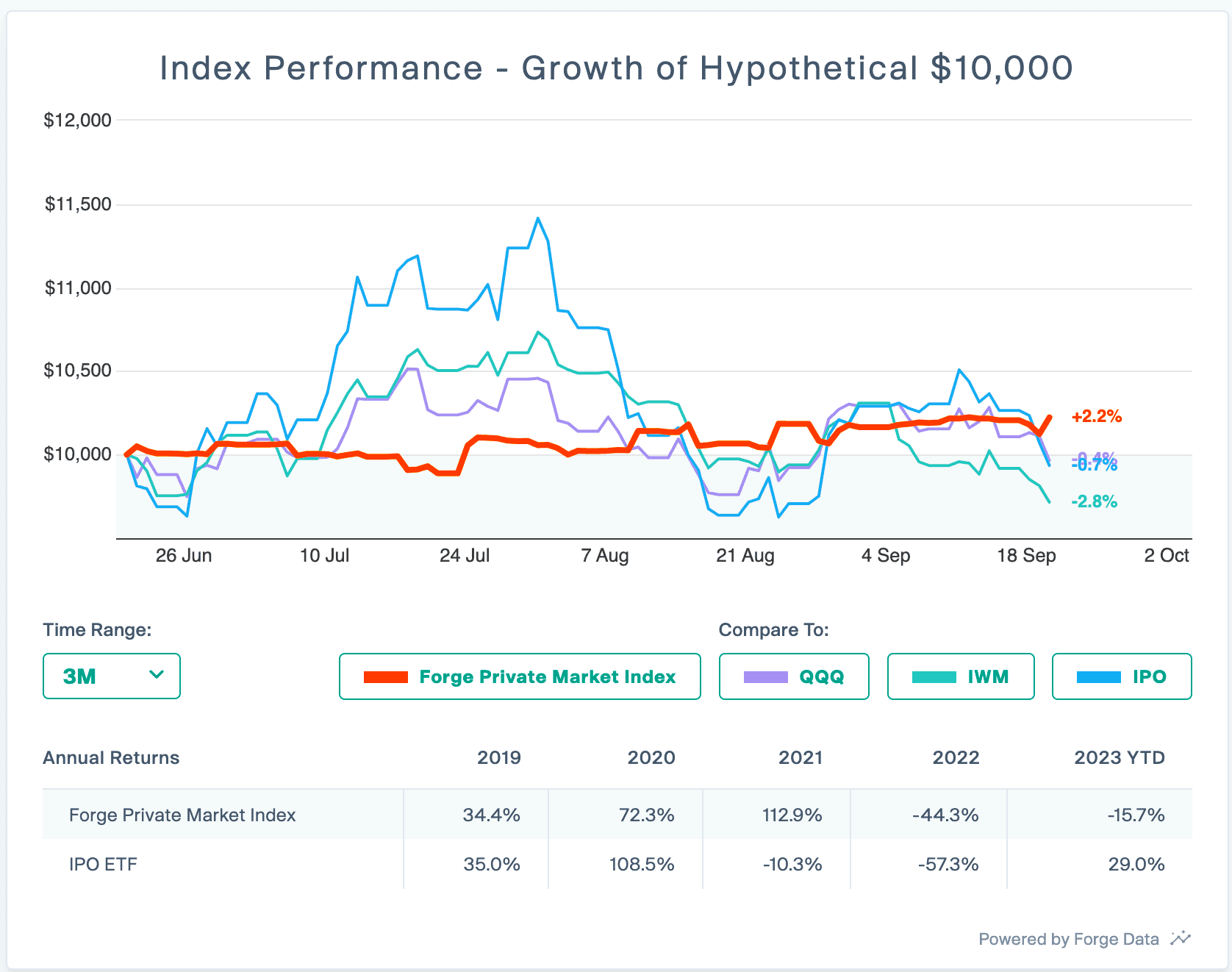
While all markets have been choppy and some are in decline, Forge is reporting that private markets are performing better than some other markets. Forge i…
Forge Says Private Markets Performing Better in Past Three Months than Other Popular Markets
Digital Currencies
Summary
While all markets have been choppy and some are in decline, Forge is reporting that private markets are performing better than some other markets. Forge is a
A new report indicated Bitcoin ETFs could release $600 billion in new demand — double Bitcoin’s current market cap. Here’s some math behind the estimates.
A new report indicated Bitcoin ETFs could release $600 billion in new demand — double Bitcoin’s current market cap. Here’s some math behind the estimates.
A new report indicated Bitcoin ETFs could release $600 billion in new demand — double Bitcoin's current market cap. Here's some math behind the estimates.
Bitcoin ETFs: A $600 billion tipping point for crypto
Digital Currencies · Lending · Blockchain
Summary
A new report indicated Bitcoin ETFs could release $600 billion in new demand — double Bitcoin's current market cap. Here's some math behind the estimates.