Lloyds Bank has partnered with Visa to leverage the payment firm’s Visa Commercial Pay virtual card program. Visa Commercial Pay is available to Lloyds Bank’s business customers. The new tool aims to help businesses control spending, reconcile invoices, and report on expenditures. In a world where digital banking reigns supreme, digital payment tools are king. That’s likely the motivation behind Lloyds Bank’s recent deal with Visa. The U.K.-based bank has tapped the U.S. payments giant to power its new virtual card solution. Lloyds Bank’s is launching a new virtual card tool for businesses, Visa Commercial Pay, and is the first bank to launch Visa Commercial Pay in the U.K. The new tool aims to help small businesses to enterprises solve their purchasing and administrative challenges. For example, the solution can help them control spending, reconcile invoices, and report on expenditures. “Visa Commercial Pay is a next generation payment platform that provides the technology to help businesses simplify and streamline the way they make payments, all in a secure and controlled way,” said Visa Managing Director, U.K. & Ireland Mandy Lamb. “We’re delighted to launch this in the U.K. in partnership with Lloyds Bank, delivering seamless payment experiences for U.K. businesses.” Visa Commercial Pay works like most typical virtual cards in that it instantly issues virtual card numbers to businesses and their employees, allowing them to make card-not-present purchases right away. Employees can request a single or multi-use card number through their employer’s existing approval workflow and reference fields. Employers have the option to issue cards individually or by batch and can manage spending via controls based on location, time, purchaser, and merchant. “We’ve worked hard to create a solution that offers a secure, simplified process that enables businesses to pay their suppliers earlier while protecting their working capital,” said Lloyds Bank Head of Commercial Cards James Sykes. Virtual card issuance has seen a spike amongst business users in the past few years. Not only has their utility increased with the rise of the digital economy, but the security of the cards has also proven a key benefit. That’s because many cards are issued for one-time or limited use, which reduces the risk for fraud and unauthorized transactions. Additionally, the control, visibility, and reporting capabilities the cards offer employers makes virtual cards a clear choice, especially among small businesses with limited resources. Photo by Andrea Piacquadio The post Lloyds Bank Taps Visa for Virtual Card Solution appeared first on Finovate.
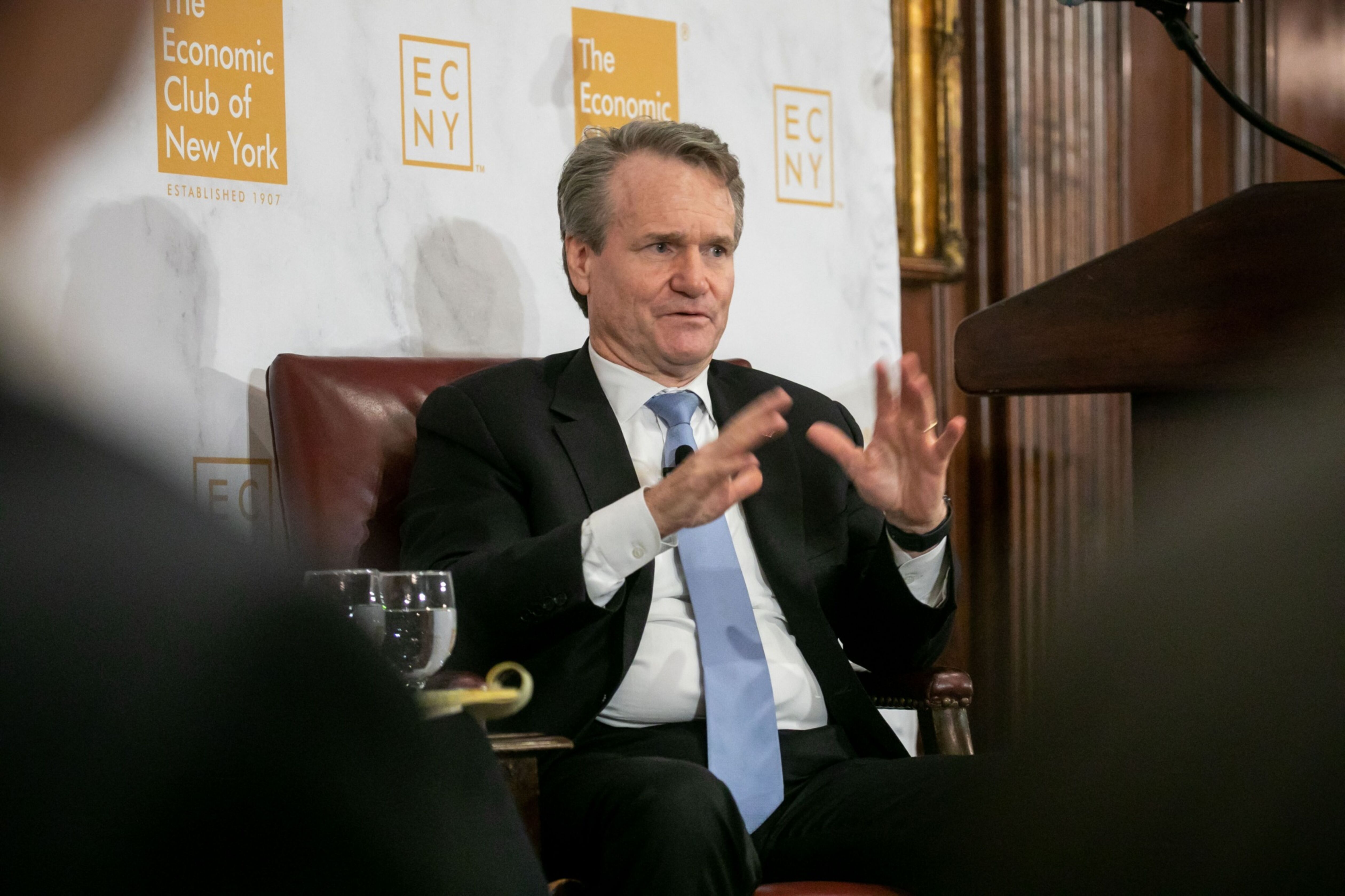
Bank of America CEO Brian Moynihan said that consumer activity has slowed throughout the year, but should remain strong enough to position the economy for…
Consumers are expected to keep the U.S. out of recession, Moynihan says
Digital Currencies
Summary
Bank of America CEO Brian Moynihan said that consumer activity has slowed throughout the year, but should remain strong enough to position the economy for growth later in 2024.
Ally Financial and Workers Credit Union say they've successfully infused marketing campaigns with AR to hype their brands and communicate their corporate …
Ally Financial and Workers Credit Union say they've successfully infused marketing campaigns with AR to hype their brands and communicate their corporate values even as skeptics question whether customers are clamoring for the technology.
Gary Gensler, while avoiding answers on bitcoin ETFs, argues in testimony that crypto firms dangerously mix assets in a way outlawed in other corners of t…
SEC’s Gensler Throws More Crypto Punches in Congressional Hearing
Money Transfer · Digital Currencies
Summary
Gary Gensler, while avoiding answers on bitcoin ETFs, argues in testimony that crypto firms dangerously mix assets in a way outlawed in other corners of the financial system.
What will artificial intelligence bring to the financial services industry? This question is becoming less crucial than how financial institutions are app…
What will artificial intelligence bring to the financial services industry? This question is becoming less crucial than how financial institutions are approaching AI implementation, development and innovation. Seventy-three percent of C-level bank executives are interested in or already using AI tools within their institutions, according to a CCG Catalyst Consulting report that surveyed 108 C-level