Mark Cuban’s MetaMask Crypto Hack: $870,000 Gone in Seconds
Summary
The post Mark Cuban’s MetaMask Crypto Hack: $870,000 Gone in Seconds appeared first on Coinpedia Fintech News Well, this news is shocking indeed! Billionaire investor and Dallas Mavericks owner Mark Cuban has lost approximately $870,000 in a sophisticated crypto hack. The stolen assets included a diverse basket of cryptocurrencies like Ethereum (ETH), USD Coin (USDC), and Polygon (MATIC). This incident serves as a stark reminder of the vulnerabilities in the world of cryptocurrencies and highlights the need for caution among both individual investors and corporations. But what really transpired? Let’s read on. $800,000 got drained just in 5 minsThis time it was one of the most famous american businessman & investors, Mark Cuban!Mark Cuban's wallet:0x293Ed38530005620e4B28600f196a97E1125dAAcgot hacked, it wallet was sitting idle for 160 days.All his assets are drained, that… pic.twitter.com/x8pwPnR3Gk— EvanLuthra.eth (@EvanLuthra) September 16, 2023 Something Smelled Fishy Pseudonymous blockchain detective Wazz was the first to ring the alarm bells. He took to Twitter to outline a series of suspicious transactions originating from an Ethereum address tagged as “Mark Cuban 2.” Interestingly, this address had been inactive for nearly 160 days before suddenly becoming active. It initiated a $175,000 USDC transaction that was ultimately funneled into an account now known as “Mark Cuban Hacker.” Lmao, did Mark Cuban's wallet just get drained?Wallet inactive for 160 days and all assets just moved pic.twitter.com/vWnMZFyHB5— Wazz (@WazzCrypto) September 15, 2023 According to Wazz’s findings, several high-value assets followed the initial USDC transfer, including 4,337 ENS, 4,859 USDT, and 12,354 MATIC tokens, among others. These transactions added credibility to the speculation of a hack. Also Read: SEC Lawsuit, FUD, and Social Media Hacks: Is XRP Facing Assault? Mark Cuban’s Response Mark Cuban swiftly responded to the breach by confirming it himself. He managed to salvage $3 million worth of USDC by promptly transferring it to his Coinbase account. Cuban, known for his candidness, openly discussed the likely cause of the hack. He admitted to downloading a corrupted version of the popular MetaMask wallet, which probably served as an entry point for the hackers. In a conversation with DL News, he said, “I’m pretty sure I downloaded a version of MetaMask with some shit in it.” Hackers just drained @mcuban's wallets of around $870,000. “I went on MetaMask for the first time in months. They must have been watching,” he told DL News. @eking0x and @AdMcMarkets reporthttps://t.co/kAx912iGY0— DL News (@DLNewsInfo) September 16, 2023 While the hack may have surprised some, it aligns with a troubling trend in the crypto sector. Recent months have witnessed a surge in cybersecurity incidents, with entities like Atomic Wallet and CoinEX falling victim to significant hacks. These incidents collectively resulted in staggering losses amounting to $270 million. Some of these breaches have been attributed to North Korea’s Lazarus Group. Cuban is No Stranger to Cryptocurrency! Mark Cuban, a vocal advocate of decentralized finance (DeFi), has actively participated in the crypto space, even providing liquidity to Iron Finance’s TITAN stablecoin. However, his enthusiasm hasn’t come without setbacks. He suffered substantial losses in TITAN when its price plummeted to zero in June 2021. Despite such challenges, Cuban’s crypto journey serves as a reminder of the high-risk, high-reward nature of the DeFi sector. His recent hack also serves as a cautionary tale to not just individual investors but also to corporations venturing into cryptocurrencies. With the crypto sector plagued by a succession of hacks, from Stake.com’s $41 million loss last week to the $50 million hack of CoinEX, the Cuban incident adds another layer of complexity to the ongoing debate over crypto regulation. Beware: North Korean Hackers Target Cryptocurrency Using WinRAR Bug! While the promises of decentralized finance continue to captivate the imaginations of many, Cuban’s experience stands as an indelible lesson in cyber humility: in the fast-moving world of crypto, both fortunes and failings are but a click away.
Citigroup’s Treasury and Trade Solutions business is looking to hire someone to lead its global instant payments strategy amid the bank’s restructuring an…
On the job with … Citi TTS global head of instant payments director
Digital Currencies
Summary
Citigroup’s Treasury and Trade Solutions business is looking to hire someone to lead its global instant payments strategy amid the bank’s restructuring and efficiency efforts. The $2.2 trillion bank’s ideal candidate must have experience in the payments industry, be well versed in industry trends and capable of strategic thinking, a Citi spokesperson told Bank Automation
Consumers may be engaging more with eGrocery, but the sector continues to grow more slowly than online shopping overall, PYMNTS Intelligence indicates. By…
Online Grocery Shopping is Growing, But Not as Quickly as Retail
Payments
Summary
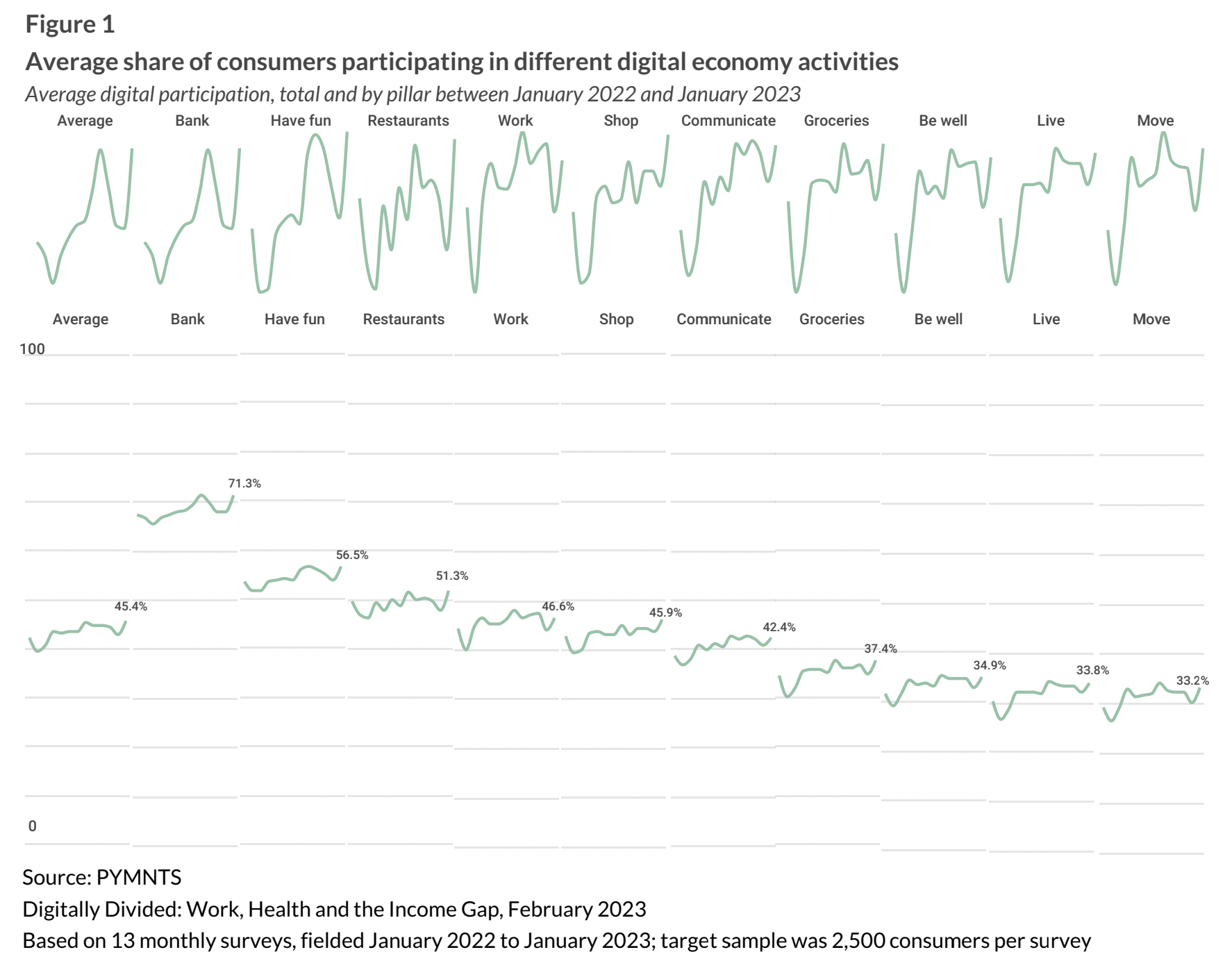
Consumers may be engaging more with eGrocery, but the sector continues to grow more slowly than online shopping overall, PYMNTS Intelligence indicates. By the Numbers As PYMNTS’ Karen Webster points out in a recent feature, “PYMNTS Intelligence’s analysis of 15,000 consumers across 11 countries every quarter over the last three calendar years reveals that for every 10% increase in online shopping there is a 7% increase in using digital channels to shop for groceries and to access healthcare services.” The Data in Context Grocers are doing everything in their power to drive digital engagement. For instance, multinational grocer Ahold Delhaize’s U.S. eCommerce arm, Peapod Digital Labs, announced Wednesday (Oct. 4) the launch of native apps for its banners, supplementing their existing mobile-optimized sites. “Efficiency wasn’t the only priority,” Paul Yang, Peapod Digital Labs’ director of mobile engineering, said in a statement. “It’s also our aim to create a more modern interface with aesthetic representative of each of the brands, complete with animations to bring moments of delight into what is typically a transactional experience.” It is not only grocers looking to drive adoption. Technology providers in the space are aiming to do the same. Grocery aggregator Instacart, for its part, just expanded its partnership with Mastercard, per an announcement Thursday (Oct. 5) by the payments giant, to offer perks to cardholders such as order discounts, reduced service fees and free trials of its delivery membership. “This new embedded benefit builds on Instacart and Mastercard’s strong partnership, which includes powering shopper credit cards and co-branding our consumer credit card,” Heather Rivera, Instacart’s vice president of strategy, corporate development and partnerships, said in a statement. “Instacart has become an indispensable service for millions of customers across North America and we’re excited for cardholders to experience the ease and convenience of shopping with Instacart.”The post Online Grocery Shopping is Growing, But Not as Quickly as Retail first appeared on PYMNTS.com.
Central bank digital currencies (CBDCs) are poised to give politicians unprecedented power to track your data, restrict your movements, and control your l…
How will CBDCs be used for political oppression in your country?
Digital Currencies
Summary
Central bank digital currencies (CBDCs) are poised to give politicians unprecedented power to track your data, restrict your movements, and control your life.
This week in grocery news, Ahold Delhaize USA grocers adopt new direct ordering apps, Ocado reportedly doubles down on automation, and online discount gro…
Grocers Push for Direct Fulfillment Amid Industry’s Digitization
Business Tools · Payments
Summary
This week in grocery news, Ahold Delhaize USA grocers adopt new direct ordering apps, Ocado reportedly doubles down on automation, and online discount grocer Martie launches nationwide. Multinational grocer Ahold Delhaize’s United States eCommerce arm, Peapod Digital Labs, announced Wednesday (Oct. 4) the launch of a native mobile app, with the grocer’s Stop & Shop and Food Lion brands launching apps with this technology, where before their only mobile direct ordering channel was the grocers’ websites. “Efficiency wasn’t the only priority,” Peapod Digital Labs Director of Mobile Engineering Paul Yang said in a statement. “It’s also our aim to create a more modern interface with aesthetic representative of each of the brands, complete with animations to bring moments of delight into what is typically a transactional experience.” The news comes as grocers step up their direct ordering capabilities as Instacart grows, fueled by its recent initial public offering (IPO). A small share of consumers buys groceries online via mobile devices, but that share is likely to grow soon, according to PYMNTS Intelligence. “Tracking the Digital Payments Takeover: Catching the Coming eCommerce Wave,” created in collaboration with Amazon Web Services (AWS), drew from an April survey of nearly 2,700 U.S. consumers. The results revealed that 12% of grocery transactions occur online — 6% via mobile devices and 6% via computers. Yet the same study found that about 1 in 3 shoppers said they are very or extremely likely to increase their online grocery purchases in the next year. Ocado CEO Reportedly Pushes Back Against Automation Skepticism British grocery technology company Ocado Group, which licenses automation and eCommerce solutions out to grocers, is maintaining that the economics of automated warehouses work, despite criticism and skepticism, Bloomberg reported Wednesday. “Our clients at the moment are rolling them out not as fast as we would like, but we’re working on that,” founder and CEO Tim Steiner said, per the report. His comment comes after U.S. grocery giant Kroger, which is reportedly the tech company’s biggest buyer, slowed and then paused the expansion of its automated grocery delivery fulfillment centers created in partnership with Ocado. “Right now, all the energy is focused on the [automated fulfillment centers] we have and making sure that those are where we want them to be, where they need to be and on a sustainable basis,” Kroger Chairman and CEO Rodney McMullen told analysts on the grocer’s earnings call last month. “… A ton of work is being done. We’re making progress, but we wouldn’t be to the point where we would start focusing on additional sheds until we make sure that we have a clear path on the ones we have.” Demand for grocery delivery is sizable, PYMNTS Intelligence found. “12 Months of the ConnectedEconomy: 33,000 Consumers on Digital’s Role in Their Everyday Lives,” which drew from surveys of tens of thousands of U.S. consumers, revealed that by November, 40% of consumers reported that they had ordered groceries online for home delivery in the previous month. Discount eGrocer Martie Expands Nationwide In additional grocery delivery news, value-focused eGrocer Martie, which sells overstock items at discounted rates, is seizing on demand for lower-cost options, launching nationwide as many consumers struggle with the cost of leading providers. The company announced the expansion Wednesday, shipping shelf-stable goods across the country. “We are thrilled that every person in this country will have access to surplus items at a discounted rate, including specialty and premium items,” CEO and Co-founder Louise Fritjofsson said in a statement. “Martie promises significant savings and to always stock our online with the essentials you know and need.” Many consumers are looking for discounted and low-priced grocery items. PYMNTS Intelligence’s report “Consumer Inflation Sentiment: The False Appeal of Deal-Chasing Consumers,” which drew from a survey of more than 2,100 U.S. consumers, revealed that 44% of grocery shoppers are deal chasers, willing to go wherever they will get the best price.The post Grocers Push for Direct Fulfillment Amid Industry’s Digitization first appeared on PYMNTS.com.