New Data: Card-Linked Offers Improve Relevance and Value
Summary
Consumers who use card-linked shopping offers, which provide special savings or rewards attached to a merchant or product, return for more — most do. But what about the 21% of past users who never return? PYMNTS Intelligence finds that if those who used these offers in the past came back, more than half of U.S. cardholders would be users. What do these consumers say keeps them from returning to card-linked offers? Irrelevant offers and unappealing deals. But the naysayers should give these offers another look. These are just some of the findings detailed in “Card-Linked Offer Usage Over Time,” a PYMNTS Intelligence and Banyan collaboration. The report examines the future growth dynamics of card-linked offers. It draws on insights from a survey of 2,108 U.S. consumers conducted from March 20 to April 6, exploring how and why they started using these offers. Other key findings in the report include the following. Former users view the lack of relevant offers as the key reason they have not yet returned. Relevancy and savings are key to drawing consumers in. Data shows that for 22% of former users, a lack of relevant offers is not just a deterrent for using cards but the key reason they do not return. These consumers’ perceptions do not match how these offers have changed. Card-linked offers are becoming more attractive in areas consumers care about — relevancy and savings — if only former users would notice. Nearly two-thirds of card-linked offer users are more satisfied with the relevancy of the offers they received this year than the previous year. Current users are noticing more improvements in their offer programs. But the same is not true for former users, who remain outside of the programs. Providers that target past users and position how the programs have improved could have a competitive advantage. More than half of past users are at least somewhat likely to use the offers again in the future. Most card-linked offer users will likely use them again. However, 63% of cardholders have not received these offers in the last year or noticed if they have. Here, providers have missed out on an opportunity. The report explores which past users are more likely to return. Providers must target consumers who have never used these offers and reengage previous users to grow usage. Download the report to learn more about how card-linked offer providers can deliver a one-two punch to unlock the next wave of growth. The post New Data: Card-Linked Offers Improve Relevance and Value appeared first on PYMNTS.com.
Hispanics, which currently represent nearly 20% of the US population, are on track to reach $113 trillion in collective wealth by 2025, according to a new
Hispanics in US On Track To Reach $113 Trillion in Collective Wealth By 2050
Digital Currencies
Summary
Hispanics, which currently represent nearly 20% of the US population, are on track to reach $113 trillion in collective wealth by 2025, according to a new
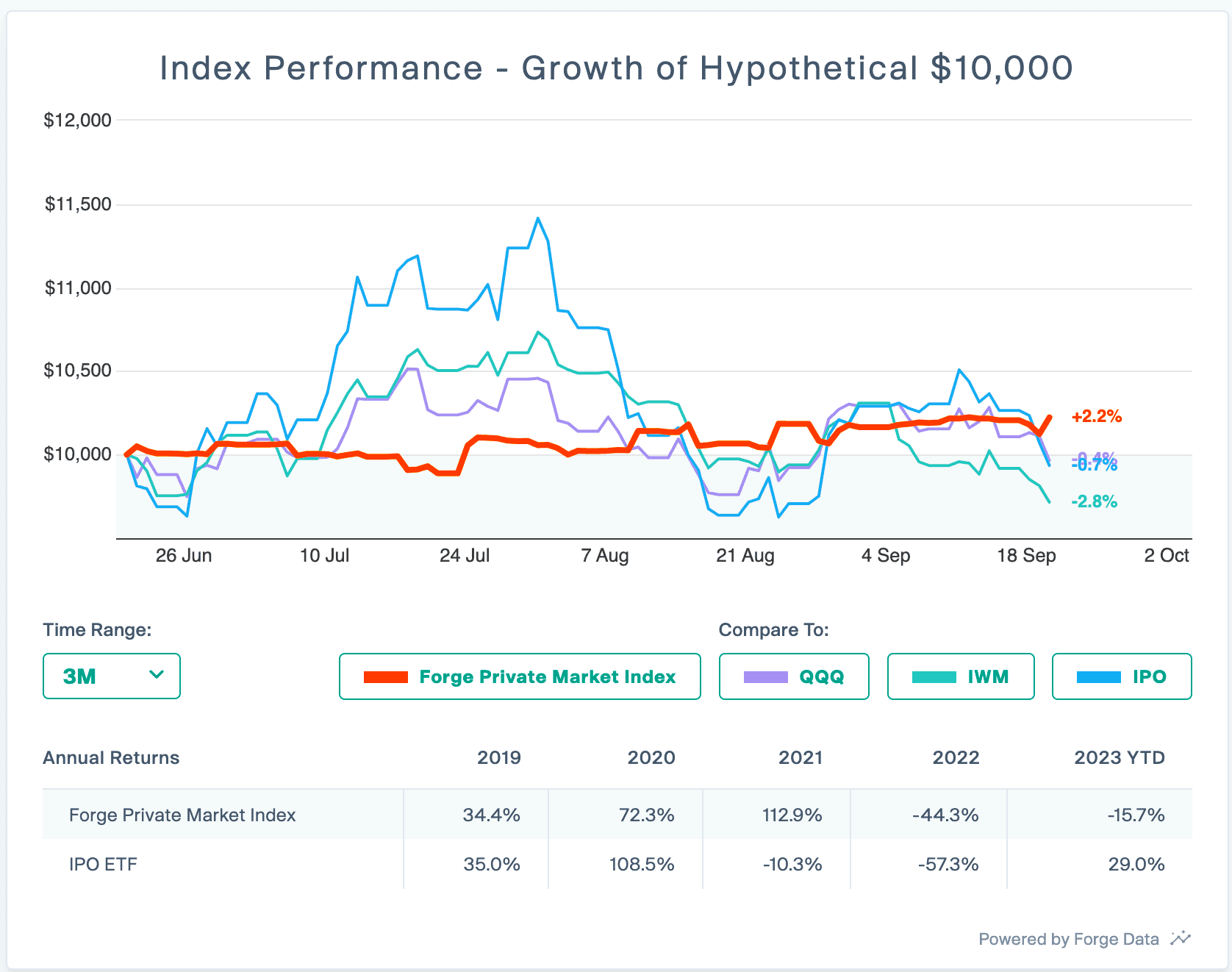
While all markets have been choppy and some are in decline, Forge is reporting that private markets are performing better than some other markets. Forge i…
Forge Says Private Markets Performing Better in Past Three Months than Other Popular Markets
Digital Currencies
Summary
While all markets have been choppy and some are in decline, Forge is reporting that private markets are performing better than some other markets. Forge is a
A new report indicated Bitcoin ETFs could release $600 billion in new demand — double Bitcoin’s current market cap. Here’s some math behind the estimates.
A new report indicated Bitcoin ETFs could release $600 billion in new demand — double Bitcoin’s current market cap. Here’s some math behind the estimates.
A new report indicated Bitcoin ETFs could release $600 billion in new demand — double Bitcoin's current market cap. Here's some math behind the estimates.
Bitcoin ETFs: A $600 billion tipping point for crypto
Digital Currencies · Lending · Blockchain
Summary
A new report indicated Bitcoin ETFs could release $600 billion in new demand — double Bitcoin's current market cap. Here's some math behind the estimates.