Ripple vs. SEC Lawsuit: FTCS Shields SEC’s Missteps
Summary
The post Ripple vs. SEC Lawsuit: FTCS Shields SEC’s Missteps appeared first on Coinpedia Fintech News Judge Analisa Torres had previously rejected the U.S. Securities and Exchange Commission’s (SEC) claim that Ripple’s XRP token was a security. The SEC’s aggressive legal maneuvering hurt innocent XRP holders and showcased the agency’s troubling inconsistency in regulating the crypto sector. This landmark case between the SEC and Ripple not only unveils the limitations and overreaches of the SEC but also brings into sharp focus the protections offered to federal agencies by the Federal Tort Claims Act (FTCA). "In short, the @SECGov central argument (against @Ripple) failed almost completely under judicial scrutiny. It did not just hurt defendants. The SEC harmed a lot of innocent people in the process."https://t.co/ZlV0FKn76v— CryptoLaw (@CryptoLawUS) September 28, 2023 It all began in late 2020 when the SEC filed a lawsuit against Ripple Labs, Inc., and its top executives, Brad Garlinghouse and Chris Larsen, alleging that XRP is a “security.” The case, often dubbed “the cryptocurrency case of the century,” sought billions from Ripple and its founders, setting the stage for a showdown that ultimately cost the defendants $100 million. But on July 13, 2023, Judge Torres dismantled the SEC’s central argument, ruling that most XRP sales could not be classified as securities. The SEC’s far-reaching theory, which aimed to label a digital asset as a security, resulted in immediate financial repercussions, destroying over $15 billion in wealth for XRP holders in the secondary market. Double Standards and Deception While the SEC took a public stance suggesting assets like XRP were not securities, internal documents revealed otherwise. Ripple’s defense team unearthed documents showcasing that the SEC had intentionally misled the public for years about its position on cryptocurrencies. When XRP faced severe scrutiny, ethereum got a free pass. The discovery phase of the trial was marked by an unyielding fight from the SEC to keep this evidence under wraps. The agency’s efforts to conceal the truth were so disconcerting that Magistrate Judge Sarah Netburn admonished the SEC for its “hypocrisy” and disregard for legal integrity. The SEC’s Crackdown on Crypto Exchanges But Ripple wasn’t the only one in the SEC’s crosshairs. The regulator also went after crypto giants Binance and Coinbase, leveraging the same dubious legal theory that digital assets are securities. This move suggested a broader agenda, hinting that the SEC aims to dismantle the entire crypto industry—a sentiment echoed by SEC Chairman Gary Gensler’s dismissive comments about digital currencies. Time to Amend the Federal Tort Claims Act (FTCA) While the Ripple case reveals alarming overreach and duplicitous behavior by the SEC, the current legal framework shields the agency from any consequences. The FTCA, grounded in archaic principles of sovereign immunity, essentially means that “the king can do no wrong,” leaving malicious acts by federal regulators unpunishable. In light of the Ripple case, there’s an urgent need to revisit these outdated legal provisions. The SEC’s continuous abuse of its authority further reinforces the necessity for an immediate amendment to the FTCA.
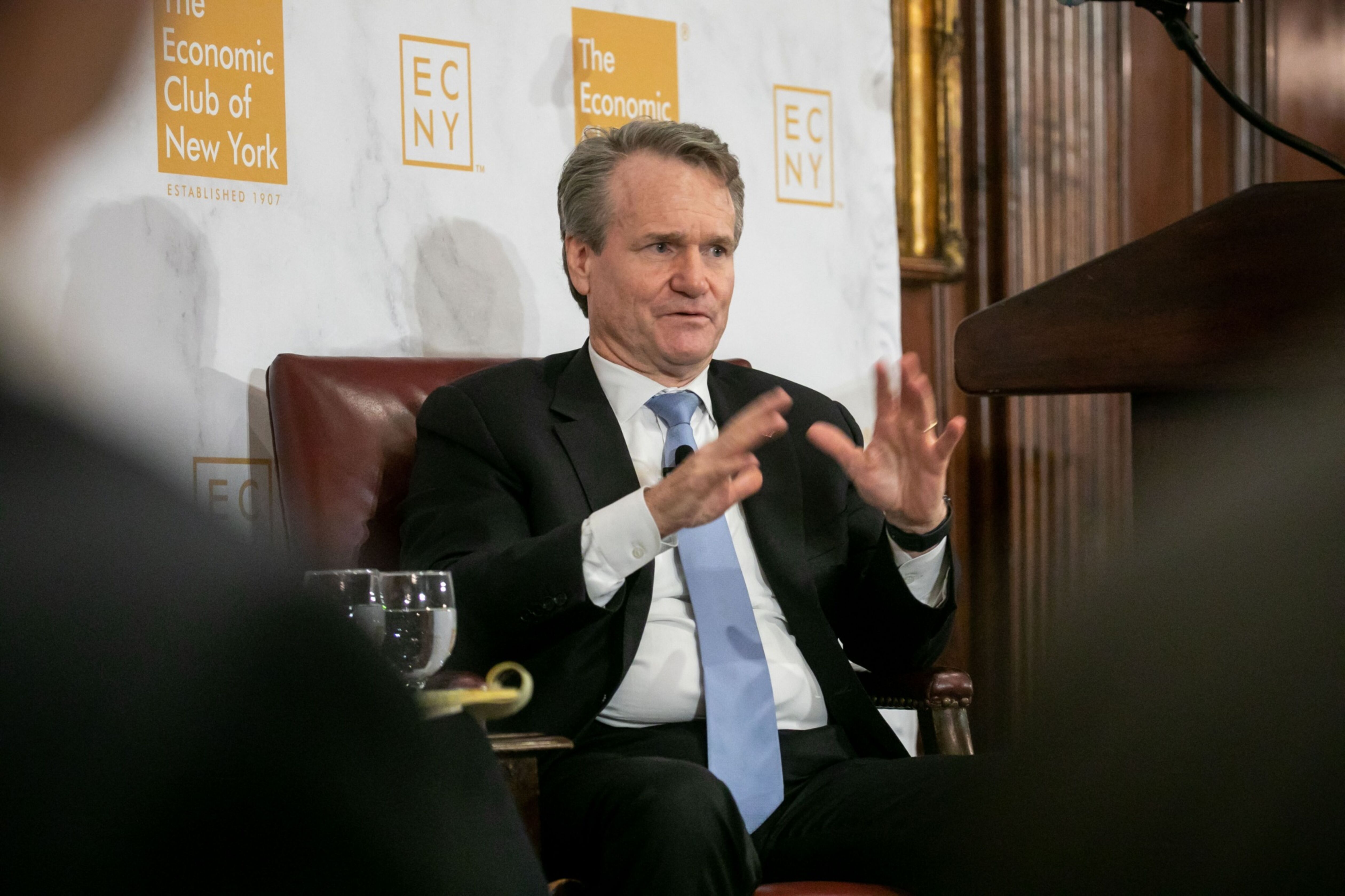
Bank of America CEO Brian Moynihan said that consumer activity has slowed throughout the year, but should remain strong enough to position the economy for…
Consumers are expected to keep the U.S. out of recession, Moynihan says
Digital Currencies
Summary
Bank of America CEO Brian Moynihan said that consumer activity has slowed throughout the year, but should remain strong enough to position the economy for growth later in 2024.
Ally Financial and Workers Credit Union say they've successfully infused marketing campaigns with AR to hype their brands and communicate their corporate …
Ally Financial and Workers Credit Union say they've successfully infused marketing campaigns with AR to hype their brands and communicate their corporate values even as skeptics question whether customers are clamoring for the technology.
Gary Gensler, while avoiding answers on bitcoin ETFs, argues in testimony that crypto firms dangerously mix assets in a way outlawed in other corners of t…
SEC’s Gensler Throws More Crypto Punches in Congressional Hearing
Money Transfer · Digital Currencies
Summary
Gary Gensler, while avoiding answers on bitcoin ETFs, argues in testimony that crypto firms dangerously mix assets in a way outlawed in other corners of the financial system.
What will artificial intelligence bring to the financial services industry? This question is becoming less crucial than how financial institutions are app…
What will artificial intelligence bring to the financial services industry? This question is becoming less crucial than how financial institutions are approaching AI implementation, development and innovation. Seventy-three percent of C-level bank executives are interested in or already using AI tools within their institutions, according to a CCG Catalyst Consulting report that surveyed 108 C-level