Ripple vs. SEC Lawsuit: FTCS Shields SEC’s Missteps
Summary
The post Ripple vs. SEC Lawsuit: FTCS Shields SEC’s Missteps appeared first on Coinpedia Fintech News Judge Analisa Torres had previously rejected the U.S. Securities and Exchange Commission’s (SEC) claim that Ripple’s XRP token was a security. The SEC’s aggressive legal maneuvering hurt innocent XRP holders and showcased the agency’s troubling inconsistency in regulating the crypto sector. This landmark case between the SEC and Ripple not only unveils the limitations and overreaches of the SEC but also brings into sharp focus the protections offered to federal agencies by the Federal Tort Claims Act (FTCA). "In short, the @SECGov central argument (against @Ripple) failed almost completely under judicial scrutiny. It did not just hurt defendants. The SEC harmed a lot of innocent people in the process."https://t.co/ZlV0FKn76v— CryptoLaw (@CryptoLawUS) September 28, 2023 It all began in late 2020 when the SEC filed a lawsuit against Ripple Labs, Inc., and its top executives, Brad Garlinghouse and Chris Larsen, alleging that XRP is a “security.” The case, often dubbed “the cryptocurrency case of the century,” sought billions from Ripple and its founders, setting the stage for a showdown that ultimately cost the defendants $100 million. But on July 13, 2023, Judge Torres dismantled the SEC’s central argument, ruling that most XRP sales could not be classified as securities. The SEC’s far-reaching theory, which aimed to label a digital asset as a security, resulted in immediate financial repercussions, destroying over $15 billion in wealth for XRP holders in the secondary market. Double Standards and Deception While the SEC took a public stance suggesting assets like XRP were not securities, internal documents revealed otherwise. Ripple’s defense team unearthed documents showcasing that the SEC had intentionally misled the public for years about its position on cryptocurrencies. When XRP faced severe scrutiny, ethereum got a free pass. The discovery phase of the trial was marked by an unyielding fight from the SEC to keep this evidence under wraps. The agency’s efforts to conceal the truth were so disconcerting that Magistrate Judge Sarah Netburn admonished the SEC for its “hypocrisy” and disregard for legal integrity. The SEC’s Crackdown on Crypto Exchanges But Ripple wasn’t the only one in the SEC’s crosshairs. The regulator also went after crypto giants Binance and Coinbase, leveraging the same dubious legal theory that digital assets are securities. This move suggested a broader agenda, hinting that the SEC aims to dismantle the entire crypto industry—a sentiment echoed by SEC Chairman Gary Gensler’s dismissive comments about digital currencies. Time to Amend the Federal Tort Claims Act (FTCA) While the Ripple case reveals alarming overreach and duplicitous behavior by the SEC, the current legal framework shields the agency from any consequences. The FTCA, grounded in archaic principles of sovereign immunity, essentially means that “the king can do no wrong,” leaving malicious acts by federal regulators unpunishable. In light of the Ripple case, there’s an urgent need to revisit these outdated legal provisions. The SEC’s continuous abuse of its authority further reinforces the necessity for an immediate amendment to the FTCA.
Avantis Labs has secured $4 million in seed funding in a round led by Pantera Capital. Other participants include the Founders Fund and Coinbase's Base
Avantis Labs Raises $4 Million in Seed Funding for Decentralized Exchange!
Digital Currencies
Summary
Avantis Labs has secured $4 million in seed funding in a round led by Pantera Capital. Other participants include the Founders Fund and Coinbase's Base
The post Chase Bank Takes a Stance: No More Crypto Payments for UK Clients appeared first on Coinpedia Fintech News UK customers of Chase Bank received co…
Chase Bank Takes a Stance: No More Crypto Payments for UK Clients
Lending · Digital Currencies · Payments
Summary
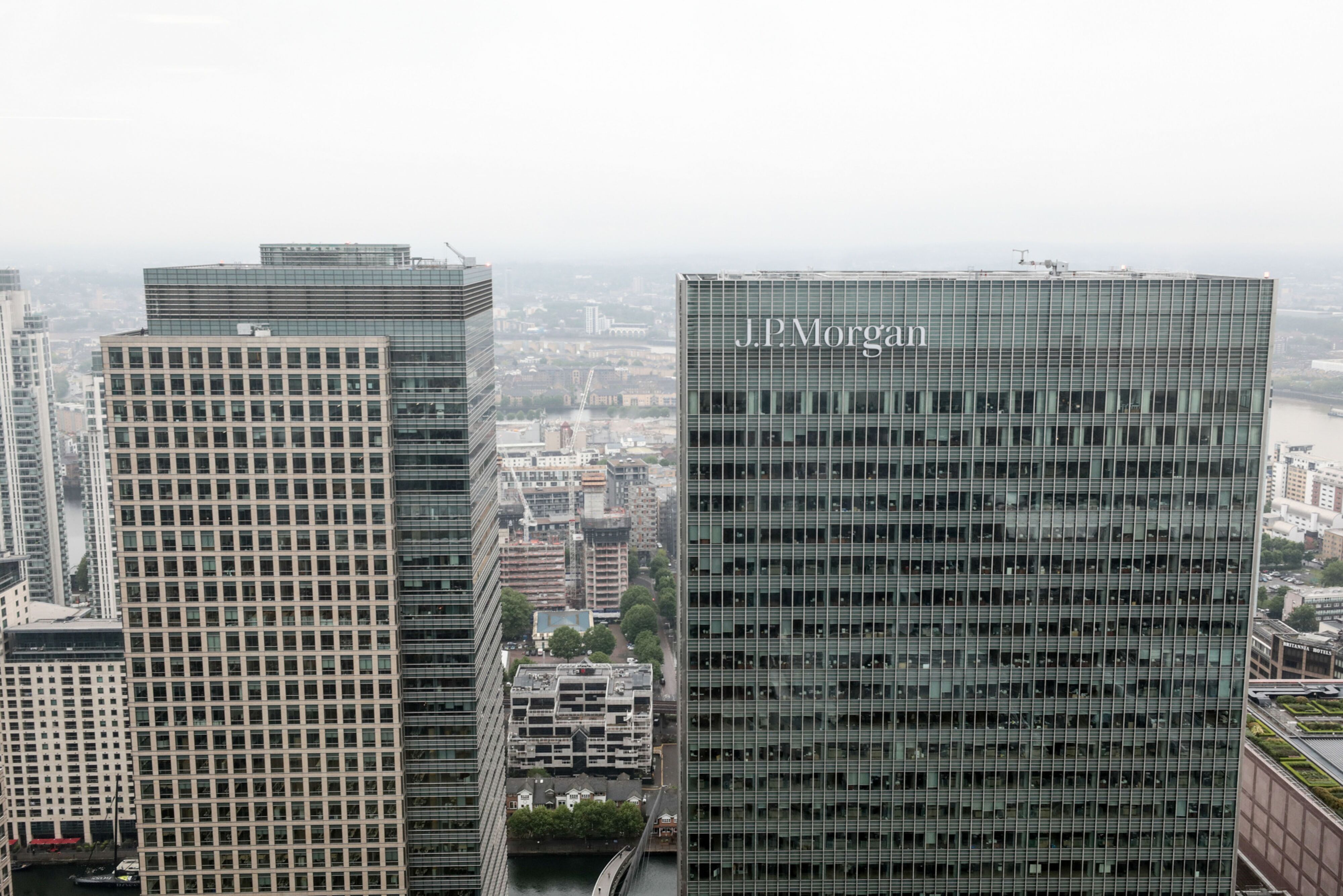
The post Chase Bank Takes a Stance: No More Crypto Payments for UK Clients appeared first on Coinpedia Fintech News UK customers of Chase Bank received concerning notices this week: the bank is banning all cryptocurrency-related payments starting October 16th. The email explicitly stated that if the bank thinks the customers are making crypto-related transactions, they will decline it. This blanket crypto payment prohibition follows similar actions by other central UK banks to restrict transactions involving digital currencies. Industry advocates argue the reluctance stems partly from mixed regulatory messaging around appropriately balancing innovation and risk management in crypto finance. Chase justified the ban by claiming fraudsters increasingly use cryptocurrencies to steal money. But while understandable, this rationale perpetuates perceptions that cryptocurrencies predominantly enable crime rather than legitimate uses. Categorically blocking crypto payments seems disproportionate, considering most users aren’t criminals. Of course, UK banks must prioritize customer security and fiduciary duties first and foremost. However, measured cryptocurrency integration arguably better aligns with open competition and financial progress. Chase recommends customers use other providers for crypto investment needs. But restricting engagement at leading banks still considerably hinders mainstream adoption and perception. Curtailing access appears reactive rather than proactive. Rather than obstruction, a pragmatic collaboration between traditional and crypto finance shows promise for a safer evolution. But incumbent fears persist, underscoring the UK’s need for sensible, unbiased regulation. The Chase decision epitomizes the disruptive impact cryptocurrencies have on established finance. Threatened institutions often resist change initially until its merits become undeniable.
The French telecom group Iliad revealed it has purchased one of Europe’s most powerful supercomputers and plans to create an AI research lab in Paris, amo…
French telecom group invests millions in local AI industry
Digital Currencies
Summary
The French telecom group Iliad revealed it has purchased one of Europe’s most powerful supercomputers and plans to create an AI research lab in Paris, among other developments.