Ripple vs. SEC Lawsuit: FTCS Shields SEC’s Missteps
Summary
The post Ripple vs. SEC Lawsuit: FTCS Shields SEC’s Missteps appeared first on Coinpedia Fintech News Judge Analisa Torres had previously rejected the U.S. Securities and Exchange Commission’s (SEC) claim that Ripple’s XRP token was a security. The SEC’s aggressive legal maneuvering hurt innocent XRP holders and showcased the agency’s troubling inconsistency in regulating the crypto sector. This landmark case between the SEC and Ripple not only unveils the limitations and overreaches of the SEC but also brings into sharp focus the protections offered to federal agencies by the Federal Tort Claims Act (FTCA). "In short, the @SECGov central argument (against @Ripple) failed almost completely under judicial scrutiny. It did not just hurt defendants. The SEC harmed a lot of innocent people in the process."https://t.co/ZlV0FKn76v— CryptoLaw (@CryptoLawUS) September 28, 2023 It all began in late 2020 when the SEC filed a lawsuit against Ripple Labs, Inc., and its top executives, Brad Garlinghouse and Chris Larsen, alleging that XRP is a “security.” The case, often dubbed “the cryptocurrency case of the century,” sought billions from Ripple and its founders, setting the stage for a showdown that ultimately cost the defendants $100 million. But on July 13, 2023, Judge Torres dismantled the SEC’s central argument, ruling that most XRP sales could not be classified as securities. The SEC’s far-reaching theory, which aimed to label a digital asset as a security, resulted in immediate financial repercussions, destroying over $15 billion in wealth for XRP holders in the secondary market. Double Standards and Deception While the SEC took a public stance suggesting assets like XRP were not securities, internal documents revealed otherwise. Ripple’s defense team unearthed documents showcasing that the SEC had intentionally misled the public for years about its position on cryptocurrencies. When XRP faced severe scrutiny, ethereum got a free pass. The discovery phase of the trial was marked by an unyielding fight from the SEC to keep this evidence under wraps. The agency’s efforts to conceal the truth were so disconcerting that Magistrate Judge Sarah Netburn admonished the SEC for its “hypocrisy” and disregard for legal integrity. The SEC’s Crackdown on Crypto Exchanges But Ripple wasn’t the only one in the SEC’s crosshairs. The regulator also went after crypto giants Binance and Coinbase, leveraging the same dubious legal theory that digital assets are securities. This move suggested a broader agenda, hinting that the SEC aims to dismantle the entire crypto industry—a sentiment echoed by SEC Chairman Gary Gensler’s dismissive comments about digital currencies. Time to Amend the Federal Tort Claims Act (FTCA) While the Ripple case reveals alarming overreach and duplicitous behavior by the SEC, the current legal framework shields the agency from any consequences. The FTCA, grounded in archaic principles of sovereign immunity, essentially means that “the king can do no wrong,” leaving malicious acts by federal regulators unpunishable. In light of the Ripple case, there’s an urgent need to revisit these outdated legal provisions. The SEC’s continuous abuse of its authority further reinforces the necessity for an immediate amendment to the FTCA.
Alison Mangiero, executive director the Proof of Stake Alliance (POSA), says confusion around the term “staking” has led to greater regulatory scrutiny.
Blockchain · Digital Currencies · Banking Infrastructure
Summary
Alison Mangiero, executive director the Proof of Stake Alliance (POSA), says confusion around the term “staking” has led to greater regulatory scrutiny.
The Securities and Exchange Commission today charged registered investment adviser DWS Investment Management Americas Inc. (DIMA or DWS), a subsidiary of …
Deutsche Bank subsidiary DWS to pay $25 million penalty for AML and ESG violations
Digital Currencies
Summary
The Securities and Exchange Commission today charged registered investment adviser DWS Investment Management Americas Inc. (DIMA or DWS), a subsidiary of Deutsche Bank AG, in two separate enforcement actions, one addressing its failure to develop a mutual fund Anti-Money Laundering (AML) program, and the other concerning misstatements regarding its Environmental, Social, and Governance (ESG) inves...
Grace Law, a Hong Kong native, seized an opportunity to work in a Chase branch in New York City more than 30 years ago. Today, she seeks ways to ensure he…
Making the American dream happen for herself and her community
Business Tools · Payments · Money Transfer
Summary
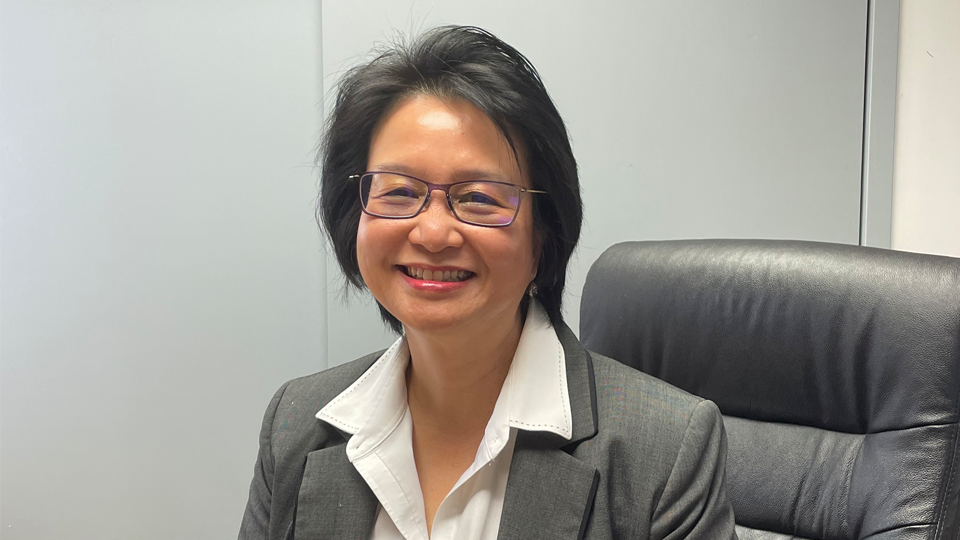
Grace Law, a Hong Kong native, seized an opportunity to work in a Chase branch in New York City more than 30 years ago. Today, she seeks ways to ensure her community — immigrants who are frequently overlooked by banks — has access to financial services.
MUTB, a subsidiary of Japan's largest financial institution, Mitsubishi UFJ Financial Group, has announced its intention to cooperate with Binance Japan
Mitsubishi UFJ’s subsidiary will partner with Binance Japan!
Digital Currencies
Summary
MUTB, a subsidiary of Japan's largest financial institution, Mitsubishi UFJ Financial Group, has announced its intention to cooperate with Binance Japan
A consortium of five global banks, including Barclays, BNP Paribas, Goldman Sachs and HSBC have formed a joint venture company to create a Position Report…
Bank consortium to develop Position Reporting Utility
Investments · Blockchain
Summary
A consortium of five global banks, including Barclays, BNP Paribas, Goldman Sachs and HSBC have formed a joint venture company to create a Position Reporting Utility for reporting securities holdings to regulatory bodies.
During Hunger Action Month, firms in the payments and fintech space should consider the many ways they can leverage their products to improve Americans' a…
Payment technology has a major role to play in reducing hunger
Payments
Summary
During Hunger Action Month, firms in the payments and fintech space should consider the many ways they can leverage their products to improve Americans' access to healthy foods.