Some Consumers Might Need Rewards and Discounts to Try Biometric Logins
Summary
Biometric authentication, a technology that uses unique physical or behavioral traits for identity verification, has gained popularity in recent years. In fact, according to joint PYMNTS Intelligence-AWS study “Tracking the Digital Payments Takeover: Biometric Authentication in the Age of Mobile,” of the nearly 60% of consumers completed online purchases in the last 30 days, 51% used biometric authentication to validate their transactions, eliminating the need to remember passwords or enter credit card information. However, not all consumers have embraced biometrics’ potential, and convincing those who are not interested in adopting the technology can be a challenging task. According to the PYMNTS Intelligence study, baby boomers and seniors are the generation most likely to resist using biometrics. This resistance may stem from a lack of knowledge on how to use the technology or a preference for manually entering information. Additionally, a significant portion of Generation Z consumers who do not use biometrics express concerns about identity theft, indicating that security is a primary worry for this age group. One effective approach to persuade uninterested consumers to use biometrics is by offering rewards or discounts. The study found that 72% of uninterested consumers would be willing to use biometric methods if merchants provided such incentives. Additionally, one-third of consumers who have used biometric authentication methods also expressed their willingness to use it if rewards or discounts were offered. While offering incentives can be effective, it is important to consider the associated costs. Therefore, alternative strategies should also be explored. One such strategy is to increase the acceptance of biometric authentication among merchants. Two-thirds of consumers who already use biometrics for online shopping stated that they would use it more often if more merchants accepted this form of authentication, highlighting the importance of expanding the availability of biometric authentication across various platforms. Another aspect that can drive greater adoption is the ability to use biometric authentication on multiple devices. Over half of nonusers interested in using biometric authentication methods expressed openness to trying it if it could be used on multiple devices. This indicates the need for seamless integration across different devices to enhance user convenience and encourage adoption. Additionally, consumers value having control over the authentication process. A significant percentage of biometric users emphasized the importance of having more control over how often authentication is required. This suggests that allowing users to customize the frequency of authentication can contribute to a more positive user experience and potentially increase adoption rates. In conclusion, convincing consumers who are not initially interested in using biometrics to adopt this technology may be challenging, but various strategies can be employed to overcome these obstacles. Offering rewards and discounts, expanding merchant acceptance, enabling multi-device usage, and providing users with more control over the authentication process are all promising approaches. By implementing these strategies, merchants can encourage wider adoption of biometric authentication, enhancing security and convenience for consumers in the digital age. The post Some Consumers Might Need Rewards and Discounts to Try Biometric Logins first appeared on PYMNTS.com.
The Clearing House’s RTP network and The Fed's FedNow network are prepared to tackle interoperability eventually — but for now, its value remains minimal.
FedNow, RTP interoperability is inevitable — down the line
Digital Currencies
Summary
The Clearing House’s RTP network and The Fed's FedNow network are prepared to tackle interoperability eventually — but for now, its value remains minimal.
The post Solana Struggles Amid Intense Bearish Pressure at Resistance Lines: What’s Next for SOL Price appeared first on Coinpedia Fintech News Solana pri…
Solana Struggles Amid Intense Bearish Pressure at Resistance Lines: What’s Next for SOL Price
Blockchain · Digital Currencies
Summary
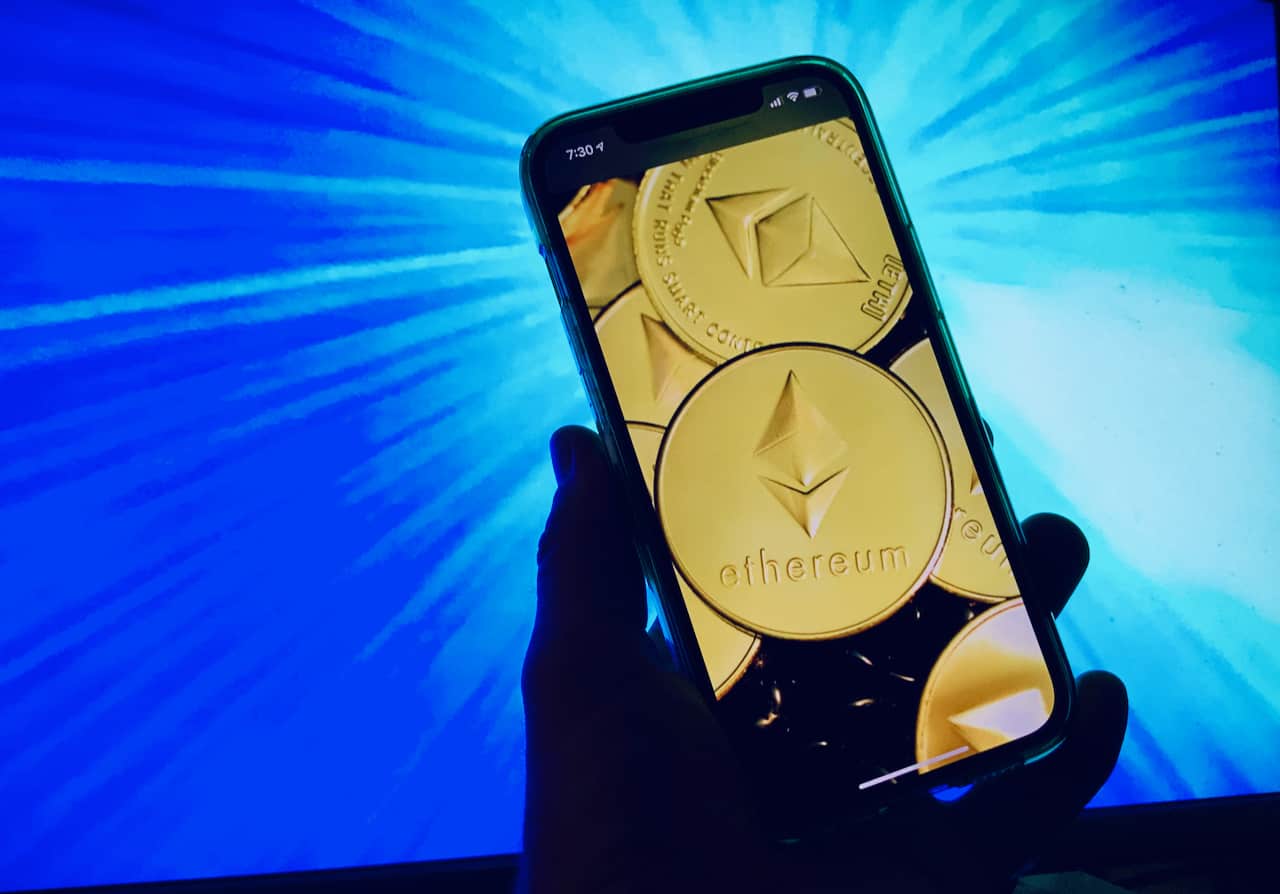
The post Solana Struggles Amid Intense Bearish Pressure at Resistance Lines: What’s Next for SOL Price appeared first on Coinpedia Fintech News Solana price has been declining steeply following the SEC’s approval of spot Ethereum ETFs. For example, the SOL/ETH pair, which is closely monitored, has dropped by 16.8% since May 17 following the U.S. Securities and Exchange Commission’s (SEC) request for Ether ETF applicants to revise their 19b-4 filings. Additionally, there’s a decline in activity in the SOL ecosystem, suggesting further bearish pressure on the edge. Analysts Expect SOL ETF By 2025 Solana might be losing its momentum to Ethereum following SEC’s approval of spot ETH ETF. However, analysts believe that Solana is not far from having its own ETF. Geoffrey Kendrick, an analyst at Standard Chartered, predicts that SOL and XRP ETFs could receive approval by 2025. Kendrick suggests that the recent approval of the ETH ETF implies that Ether and altcoins may not be classified as securities. Analysts from The Birb Nest have observed that discussions around a Solana ETF are surging on crypto Twitter and in media circles, indicating that it’s likely to happen. The total value locked (TVL) within the Solana ecosystem experienced a notable decline in May. As of May 23, there were 27.48 million SOL locked, down from the monthly peak of 29.4 million SOL. This decline in Solana’s TVL was particularly sharp after May 20, following reports on the potential approval of spot Ether ETFs. On that date, the TVL was recorded at 28.3 million SOL, suggesting that the news about the Ether ETFs might have triggered the withdrawals from the Solana ecosystem. Since the Ethereum ETF approval on May 20, Solana node validators started rapidly withdrawing funds. Initially holding 368.8 million SOL in staking contracts, they withdrew 3.5 million SOL by May 24, reducing the active staking to 365.3 million SOL. Also read: Analyzing the Effect of Approval of Ethereum ETF on Solana: Market Trends and Price Prediction With Solana’s current price at $167, these unstaked SOL are valued at approximately $580 million. Such significant withdrawals from a Proof-of-Stake (PoS) network generally lead to short-term price declines. What’s Next For SOL Price? Solana price failed to break above $190 as sellers strongly defended a surge above that level, resulting in a steep decline below immediate Fib channels. SOL price dropped below its EMA trend lines too; however, buyers defended further drops below $160. As of writing, SOL price trades at $166, declining over 4% in the last 24 hours. SOL price is struggling to surpass the EMA20 trend line, indicating continued bearish pressure at higher levels. The declining EMA trend lines and the RSI level heading toward the oversold region suggest a rising dominance in bearish positions. Should buyers push past the descending resistance line, the SOL/USDT pair might aim to retest the significant resistance at $192. A break above this level might send the SOL price toward $210.
The Securities and Exchange Commission (SEC) is poised to green-light Ethereum (Ether) ETFs after years of pushback. As of this writing, it was not clear …
Digital Currencies · Banking Infrastructure · Blockchain
Summary
The Securities and Exchange Commission (SEC) is poised to green-light Ethereum (Ether) ETFs after years of pushback. As of this writing, it was not clear as
Services: Binance, YouHodler, Digital Asset, Lolli, Ethereum, Coinbase, Bitcoin