Amazon Lowers Grocery Delivery Threshold as Retailers Tinker With Fees
Riepilogo
As major retailers struggle to strike the balance between winning grocery delivery customers from competitors and boosting margins per order, Amazon continues to adjust its free delivery minimum for its Prime subscribers. The eCommerce giant announced Thursday (Oct. 5) that it has lowered the threshold for free grocery delivery for Prime members to $100, down from the previous minimum of $150, which itself was imposed earlier this year, a dramatic increase from the $35 threshold that was previously in effect. The move comes as major retailers weigh the challenges of making eGrocery more profitable versus winning the loyalty of customers amid stiff competition from rivals. Walmart, for its part, offers its Walmart+ members free grocery delivery on orders over $35, while non-members are charged between $7.95 and $9.95. Costco’s fees, meanwhile, vary depending on a number of factors, but the company’s same-day delivery option is only available for orders of $35 or more. Amazon’s move to lower its free delivery threshold for members comes as the company looks to grow its share of grocery sales — a category in which it lags far behind competitor Walmart. PYMNTS Intelligence finds that Walmart has captured a 19.3% share of consumers’ food and beverage spend — nearly eight times Amazon’s 2.6% share. In general, amid ongoing financial challenges, consumers have been loath to pay steep fees for delivery or to pay extra for the service. Take, for instance, restaurant ordering. PYMNTS Intelligence’s report “Connected Dining: Rising Costs Push Consumers Toward Pickup,” which drew from a survey of more than 2,100 U.S. consumers, revealed that 58% of takeout customers said they pick up restaurant meals to save on delivery fees, and 48% said inflation has made them more likely to choose pickup over delivery. Plus, high free delivery thresholds tend to limit online grocery’s audience. Indeed, PYMNTS Intelligence finds that eGrocery is highly skewed toward high earners. Last year’s study “The ConnectedEconomy Monthly Report: Paycheck-To-Paycheck Consumers Digitally Disengage” found that nearly half of all consumers earning $100,000 or more per year who do not live paycheck to paycheck had purchased groceries online in the previous month. Meanwhile, a far lower share of low-income consumers and those with no financial safety net had done the same. Still, grocery delivery adoption on the whole is on the rise. U.S. grocery giant Kroger, for its part, shared in a presentation shared with analysts last month accompanying its second quarter Fiscal 2023 financial results that its 12% year-over-year digital growth was driven in part by an uptick in delivery orders. Similarly, Albertsons shared in its most recent earnings report that its eCommerce sales rose 22% in Q1 FY2023. Grocery delivery is likely to continue to grow in the year ahead, as more consumers turn to digital channels. PYMNTS Intelligence’s report “Tracking the Digital Payments Takeover: Catching the Coming eCommerce Wave,” created in collaboration with Amazon Web Services (AWS), which drew from an April survey of nearly 2,700 U.S. consumers, revealed that 32% of shoppers said they are very or extremely likely to increase their online grocery purchases in the next year.The post Amazon Lowers Grocery Delivery Threshold as Retailers Tinker With Fees first appeared on PYMNTS.com.
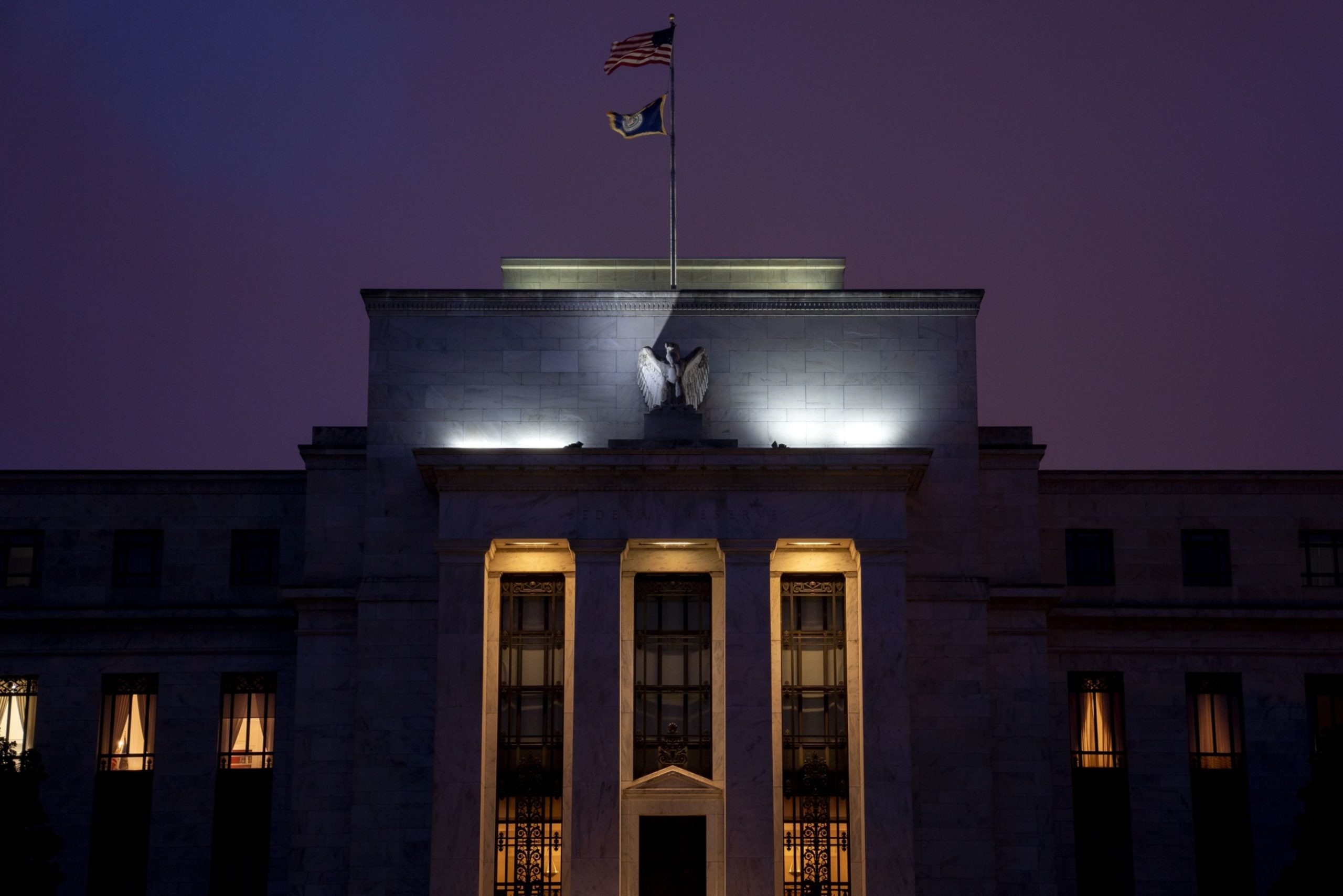
The Clearing House’s RTP network and The Fed's FedNow network are prepared to tackle interoperability eventually — but for now, its value remains minimal.
FedNow, RTP interoperability is inevitable — down the line
Denaro elettronico
Riepilogo
The Clearing House’s RTP network and The Fed's FedNow network are prepared to tackle interoperability eventually — but for now, its value remains minimal.
The post Solana Struggles Amid Intense Bearish Pressure at Resistance Lines: What’s Next for SOL Price appeared first on Coinpedia Fintech News Solana pri…
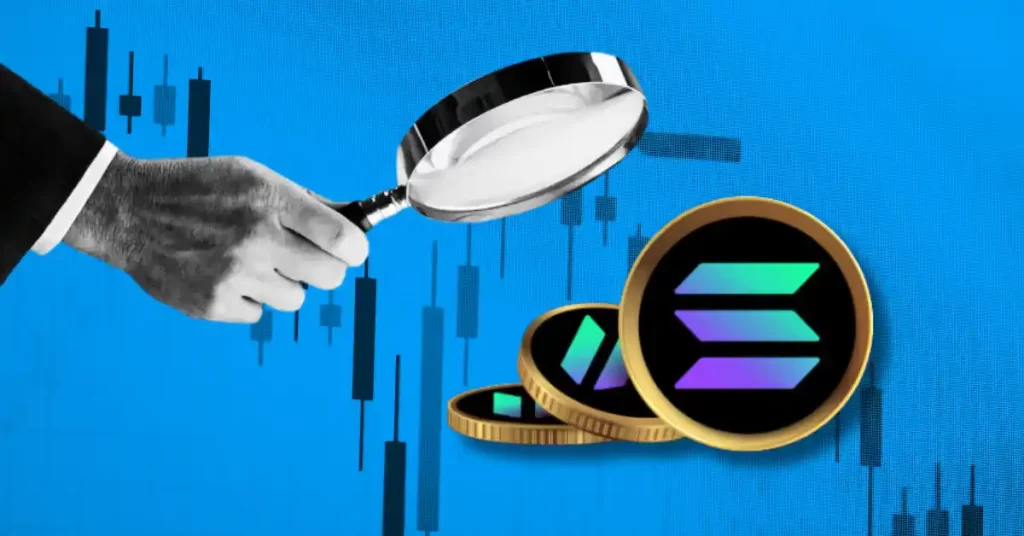
Solana Struggles Amid Intense Bearish Pressure at Resistance Lines: What’s Next for SOL Price
Blockchain · Denaro elettronico
Riepilogo
The post Solana Struggles Amid Intense Bearish Pressure at Resistance Lines: What’s Next for SOL Price appeared first on Coinpedia Fintech News Solana price has been declining steeply following the SEC’s approval of spot Ethereum ETFs. For example, the SOL/ETH pair, which is closely monitored, has dropped by 16.8% since May 17 following the U.S. Securities and Exchange Commission’s (SEC) request for Ether ETF applicants to revise their 19b-4 filings. Additionally, there’s a decline in activity in the SOL ecosystem, suggesting further bearish pressure on the edge. Analysts Expect SOL ETF By 2025 Solana might be losing its momentum to Ethereum following SEC’s approval of spot ETH ETF. However, analysts believe that Solana is not far from having its own ETF. Geoffrey Kendrick, an analyst at Standard Chartered, predicts that SOL and XRP ETFs could receive approval by 2025. Kendrick suggests that the recent approval of the ETH ETF implies that Ether and altcoins may not be classified as securities. Analysts from The Birb Nest have observed that discussions around a Solana ETF are surging on crypto Twitter and in media circles, indicating that it’s likely to happen. The total value locked (TVL) within the Solana ecosystem experienced a notable decline in May. As of May 23, there were 27.48 million SOL locked, down from the monthly peak of 29.4 million SOL. This decline in Solana’s TVL was particularly sharp after May 20, following reports on the potential approval of spot Ether ETFs. On that date, the TVL was recorded at 28.3 million SOL, suggesting that the news about the Ether ETFs might have triggered the withdrawals from the Solana ecosystem. Since the Ethereum ETF approval on May 20, Solana node validators started rapidly withdrawing funds. Initially holding 368.8 million SOL in staking contracts, they withdrew 3.5 million SOL by May 24, reducing the active staking to 365.3 million SOL. Also read: Analyzing the Effect of Approval of Ethereum ETF on Solana: Market Trends and Price Prediction With Solana’s current price at $167, these unstaked SOL are valued at approximately $580 million. Such significant withdrawals from a Proof-of-Stake (PoS) network generally lead to short-term price declines. What’s Next For SOL Price? Solana price failed to break above $190 as sellers strongly defended a surge above that level, resulting in a steep decline below immediate Fib channels. SOL price dropped below its EMA trend lines too; however, buyers defended further drops below $160. As of writing, SOL price trades at $166, declining over 4% in the last 24 hours. SOL price is struggling to surpass the EMA20 trend line, indicating continued bearish pressure at higher levels. The declining EMA trend lines and the RSI level heading toward the oversold region suggest a rising dominance in bearish positions. Should buyers push past the descending resistance line, the SOL/USDT pair might aim to retest the significant resistance at $192. A break above this level might send the SOL price toward $210.
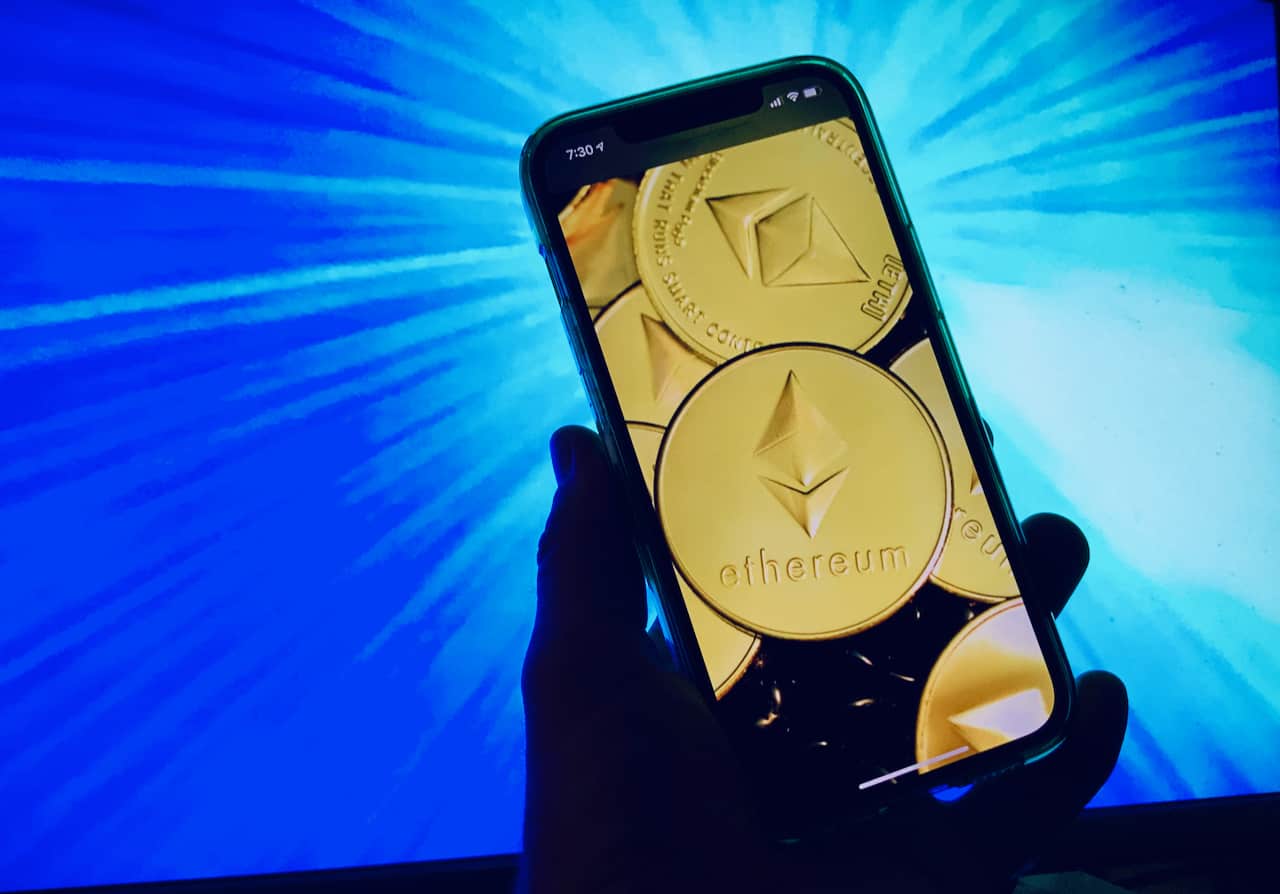
The Securities and Exchange Commission (SEC) is poised to green-light Ethereum (Ether) ETFs after years of pushback. As of this writing, it was not clear …
Denaro elettronico · Servizi per le banche · Blockchain
Riepilogo
The Securities and Exchange Commission (SEC) is poised to green-light Ethereum (Ether) ETFs after years of pushback. As of this writing, it was not clear as
Servizi: Binance, YouHodler, Digital Asset, Lolli, Ethereum, Coinbase, Bitcoin