Analyzing The Current Crypto Buzz Around Everlodge (ELDG), Tezos (XTZ), Filecoin (FIL)
Riepilogo
The post Analyzing The Current Crypto Buzz Around Everlodge (ELDG), Tezos (XTZ), Filecoin (FIL) appeared first on Coinpedia Fintech News Within the dynamic crypto world, three tokens have recently captured the attention of both seasoned investors and newcomers. These standout tokens are Tezos (XTZ), Filecoin (FIL), and Everlodge (ELDG). This article will delve into the reasons behind their current buzz and the potential they hold. Summary Tezos’ vibrant ecosystem and solid fundamentals can be linked to the popularity wave Filecoin’s disruption of the traditional cloud storage industry has gathered significant attention Everlodge’s reshaping of the real estate scene has been met with huge enthusiasm Join the Everlodge presale and win a luxury holiday to the Maldives Tezos (XTZ): Scaling New Heights Tezos (XTZ) is a popular blockchain network based on smart contracts. Notably, Tezos is often referred to as the “self-amending blockchain.” This is because of its unique ability to upgrade itself without undergoing a hard fork. Lately, it has been gaining significant traction. This buzz can be attributed to its focus on security and scalability. Additionally, the surge in the popularity of Tezos can be linked to its vibrant ecosystem of decentralized applications (dApps). Furthermore, this buzz is followed by a surge in its price. Moreover, industry experts forecast that Tezos will experience an even stronger price uptrend in the future. Filecoin (FIL): Powering Decentralized Storage Similarly, Filecoin (FIL) is also experiencing a wave of popularity. It is a decentralized storage system that is transforming the traditional cloud storage industry. As a peer-to-peer storage network, Filecoin allows users to pay for data storage and distribution services in $FIL, its native utility token. Moreover, thanks to Filecoin’s unique value proposition, it has carved a niche in the decentralized storage world. Remarkably, the increasing demand for secure and decentralized data storage has seen a steady rise in both its popularity and value. Furthermore, Filecoin’s promise of more efficient and decentralized data storage solutions will see it gain a stronger stance in the crypto landscape. Everlodge (ELDG): Transforming the Property Sector Traditionally, the real estate industry has been associated with affluence. However, this won’t be for long, thanks to Everlodge (ELDG). At the center of the frenzy in the crypto scene, Everlodge seeks to disrupt the real estate sector and democratize access to it. This exciting project lies at the intersection of blockchain and the property industry. Ultimately, by leveraging blockchain technology, it will introduce the world’s first co-ownership platform on the blockchain. Therefore, its property marketplace will allow users to fractionally invest in hotels, luxury villas, and vacation homes. Significantly, by introducing a fractional investment model, it seeks to lower barriers to the profitable sector. To this effect, luxury properties are first digitized on its property marketplace and tokenized as NFTs. Next, they are fractionalized to bits, thereby allowing investors to buy fractions of multi-million dollar properties for as little as $100 and earn passively as their value increases. In addition, by operating within three parameters: complete anonymity, decentralization, and instantaneous purchases, it further reshapes the real estate scene. Notably, no credit checks, background checks, or extensive paperwork are required before co-owning luxury properties. Another key point is that assets can be instantly purchased on the blockchain. Alternatively, asset-backed NFTs can also be easily sold via its secondary marketplace or any third-party ERC20-compatible marketplace, providing quick liquidity. Meanwhile, to become an early adopter of this innovative project, investors can simply participate in the ongoing presale. Currently, it is in the fourth stage at $0.019. With the token expected to experience a 40x increase in 2023, investors can make substantial returns before the end of the year. Find out more about the Everlodge (ELDG) Presale Website: https://www.everlodge.io/ Telegram: https://t.me/everlodge
Citigroup’s Treasury and Trade Solutions business is looking to hire someone to lead its global instant payments strategy amid the bank’s restructuring an…
On the job with … Citi TTS global head of instant payments director
Denaro elettronico
Riepilogo
Citigroup’s Treasury and Trade Solutions business is looking to hire someone to lead its global instant payments strategy amid the bank’s restructuring and efficiency efforts. The $2.2 trillion bank’s ideal candidate must have experience in the payments industry, be well versed in industry trends and capable of strategic thinking, a Citi spokesperson told Bank Automation
Consumers may be engaging more with eGrocery, but the sector continues to grow more slowly than online shopping overall, PYMNTS Intelligence indicates. By…
Online Grocery Shopping is Growing, But Not as Quickly as Retail
Pagamenti
Riepilogo
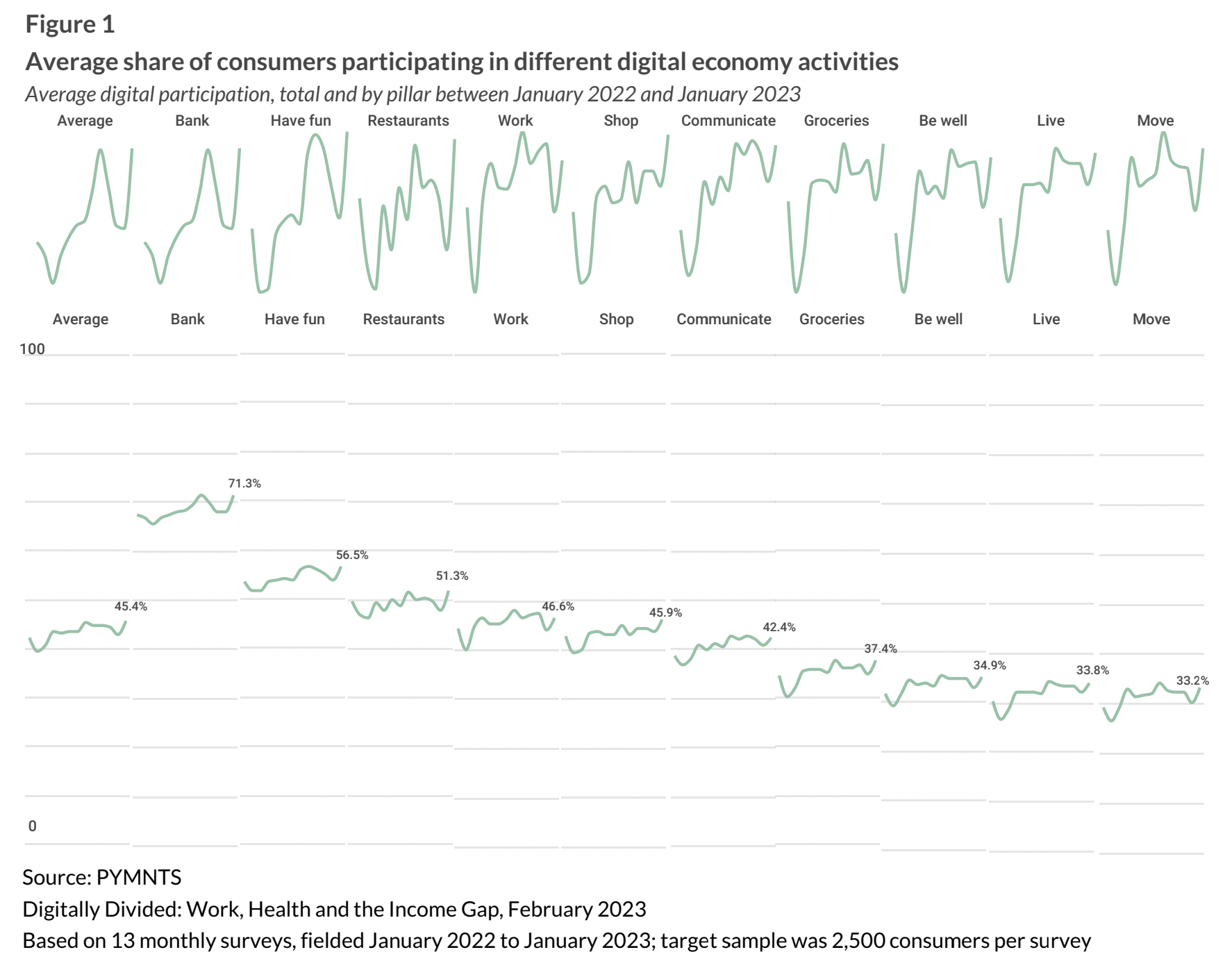
Consumers may be engaging more with eGrocery, but the sector continues to grow more slowly than online shopping overall, PYMNTS Intelligence indicates. By the Numbers As PYMNTS’ Karen Webster points out in a recent feature, “PYMNTS Intelligence’s analysis of 15,000 consumers across 11 countries every quarter over the last three calendar years reveals that for every 10% increase in online shopping there is a 7% increase in using digital channels to shop for groceries and to access healthcare services.” The Data in Context Grocers are doing everything in their power to drive digital engagement. For instance, multinational grocer Ahold Delhaize’s U.S. eCommerce arm, Peapod Digital Labs, announced Wednesday (Oct. 4) the launch of native apps for its banners, supplementing their existing mobile-optimized sites. “Efficiency wasn’t the only priority,” Paul Yang, Peapod Digital Labs’ director of mobile engineering, said in a statement. “It’s also our aim to create a more modern interface with aesthetic representative of each of the brands, complete with animations to bring moments of delight into what is typically a transactional experience.” It is not only grocers looking to drive adoption. Technology providers in the space are aiming to do the same. Grocery aggregator Instacart, for its part, just expanded its partnership with Mastercard, per an announcement Thursday (Oct. 5) by the payments giant, to offer perks to cardholders such as order discounts, reduced service fees and free trials of its delivery membership. “This new embedded benefit builds on Instacart and Mastercard’s strong partnership, which includes powering shopper credit cards and co-branding our consumer credit card,” Heather Rivera, Instacart’s vice president of strategy, corporate development and partnerships, said in a statement. “Instacart has become an indispensable service for millions of customers across North America and we’re excited for cardholders to experience the ease and convenience of shopping with Instacart.”The post Online Grocery Shopping is Growing, But Not as Quickly as Retail first appeared on PYMNTS.com.
Central bank digital currencies (CBDCs) are poised to give politicians unprecedented power to track your data, restrict your movements, and control your l…
How will CBDCs be used for political oppression in your country?
Denaro elettronico
Riepilogo
Central bank digital currencies (CBDCs) are poised to give politicians unprecedented power to track your data, restrict your movements, and control your life.
This week in grocery news, Ahold Delhaize USA grocers adopt new direct ordering apps, Ocado reportedly doubles down on automation, and online discount gro…
Grocers Push for Direct Fulfillment Amid Industry’s Digitization
Servizi per le aziende · Pagamenti
Riepilogo
This week in grocery news, Ahold Delhaize USA grocers adopt new direct ordering apps, Ocado reportedly doubles down on automation, and online discount grocer Martie launches nationwide. Multinational grocer Ahold Delhaize’s United States eCommerce arm, Peapod Digital Labs, announced Wednesday (Oct. 4) the launch of a native mobile app, with the grocer’s Stop & Shop and Food Lion brands launching apps with this technology, where before their only mobile direct ordering channel was the grocers’ websites. “Efficiency wasn’t the only priority,” Peapod Digital Labs Director of Mobile Engineering Paul Yang said in a statement. “It’s also our aim to create a more modern interface with aesthetic representative of each of the brands, complete with animations to bring moments of delight into what is typically a transactional experience.” The news comes as grocers step up their direct ordering capabilities as Instacart grows, fueled by its recent initial public offering (IPO). A small share of consumers buys groceries online via mobile devices, but that share is likely to grow soon, according to PYMNTS Intelligence. “Tracking the Digital Payments Takeover: Catching the Coming eCommerce Wave,” created in collaboration with Amazon Web Services (AWS), drew from an April survey of nearly 2,700 U.S. consumers. The results revealed that 12% of grocery transactions occur online — 6% via mobile devices and 6% via computers. Yet the same study found that about 1 in 3 shoppers said they are very or extremely likely to increase their online grocery purchases in the next year. Ocado CEO Reportedly Pushes Back Against Automation Skepticism British grocery technology company Ocado Group, which licenses automation and eCommerce solutions out to grocers, is maintaining that the economics of automated warehouses work, despite criticism and skepticism, Bloomberg reported Wednesday. “Our clients at the moment are rolling them out not as fast as we would like, but we’re working on that,” founder and CEO Tim Steiner said, per the report. His comment comes after U.S. grocery giant Kroger, which is reportedly the tech company’s biggest buyer, slowed and then paused the expansion of its automated grocery delivery fulfillment centers created in partnership with Ocado. “Right now, all the energy is focused on the [automated fulfillment centers] we have and making sure that those are where we want them to be, where they need to be and on a sustainable basis,” Kroger Chairman and CEO Rodney McMullen told analysts on the grocer’s earnings call last month. “… A ton of work is being done. We’re making progress, but we wouldn’t be to the point where we would start focusing on additional sheds until we make sure that we have a clear path on the ones we have.” Demand for grocery delivery is sizable, PYMNTS Intelligence found. “12 Months of the ConnectedEconomy: 33,000 Consumers on Digital’s Role in Their Everyday Lives,” which drew from surveys of tens of thousands of U.S. consumers, revealed that by November, 40% of consumers reported that they had ordered groceries online for home delivery in the previous month. Discount eGrocer Martie Expands Nationwide In additional grocery delivery news, value-focused eGrocer Martie, which sells overstock items at discounted rates, is seizing on demand for lower-cost options, launching nationwide as many consumers struggle with the cost of leading providers. The company announced the expansion Wednesday, shipping shelf-stable goods across the country. “We are thrilled that every person in this country will have access to surplus items at a discounted rate, including specialty and premium items,” CEO and Co-founder Louise Fritjofsson said in a statement. “Martie promises significant savings and to always stock our online with the essentials you know and need.” Many consumers are looking for discounted and low-priced grocery items. PYMNTS Intelligence’s report “Consumer Inflation Sentiment: The False Appeal of Deal-Chasing Consumers,” which drew from a survey of more than 2,100 U.S. consumers, revealed that 44% of grocery shoppers are deal chasers, willing to go wherever they will get the best price.The post Grocers Push for Direct Fulfillment Amid Industry’s Digitization first appeared on PYMNTS.com.