Binance’s Strategy Against SEC’s Information Request – Binance vs. SEC Update
Riepilogo
The post Binance’s Strategy Against SEC’s Information Request – Binance vs. SEC Update appeared first on Coinpedia Fintech News In a dramatic turn of events, cryptocurrency exchange giant Binance has filed for a protective court order against the United States Securities and Exchange Commission (SEC). The move is aimed at limiting the SEC’s aggressive discovery efforts, citing concerns of “overly broad” and “unduly burdensome” information requests. This legal battle has caught the attention of the cryptocurrency world and raises questions about the implications for the industry. Bam Trading (Binance’s U.S. Affiliate) Seeks To Block the U.S. SEC From Deposing its CEO and CFO (Oh, and that CEO Just "Resigned" Amid the Birth of 100 Potential Binance Whistleblowers)Binance just filed for a protective court order against the U.S. SEC, seeking to limit the… pic.twitter.com/vMxXXSrnQx— John Reed Stark (@JohnReedStark) September 13, 2023 The Protective Order Motion: Binance’s latest motion for a protective order seeks to curtail the SEC’s efforts to obtain extensive information and depositions. This development is Different from the previous actions, including a joint motion filed on September 11, 2023, which aimed to restrict access to sensitive documents classified as “CONFIDENTIAL” or “HIGHLY CONFIDENTIAL – ATTORNEYS’ EYES ONLY.”Additionally, an earlier sealed motion from August 28, 2023, and its supporting submissions have added complexity to the unfolding legal drama. What’s Up With The Secret U.S. SEC Motion Relating to Binance? In the U.S. SEC/Binance litigation, the U.S. SEC has filed a sealed motion for leave to file documents under seal, according to an SEC court filing late yesterday. Filing a court document “under seal” allows… pic.twitter.com/cmx6gdh2so— John Reed Stark (@JohnReedStark) August 29, 2023 The Dispute: The dispute between the U.S. SEC and the various entities affiliated with Binance is not uncommon in SEC litigation. The oversight of the case has been assigned to a Magistrate Judge, a standard procedure in such matters. However, one aspect of the ongoing dispute stands out as rather unusual and even questionable. BAM Trading, the operating company of Binance U.S., along with BAM Management, is seeking to limit the SEC to conducting only four depositions of BAM employees and to drop the deposition requests for six witnesses, including BAM’s CEO Brian Shroder and its CFO, Jasmine Lee. Unprecedented CEO and CFO Limitations: The move to limit depositions of BAM’s CEO and CFO is raising eyebrows, as it appears to be an extraordinary step. John Reed Stark, drawing on his extensive experience at the SEC, including 11 years as the head of the SEC’s Office of Internet Enforcement and his knowledge of securities law, cannot remember a single instance where a court declined the SEC’s request to interview a CEO or CFO, especially when dealing with a temporary restraining order (TRO) and consent order. Adding an intriguing twist to the situation, Brian Shroder, BAM’s President and CEO, reportedly resigned on the same day that Binance’s legal team filed a motion opposing the SEC’s deposition request. This timing has led to speculation and questions about potential connections between Shroder’s departure and the legal battle. Management Changes at Binance U.S.: Following Shroder’s departure, Norman Reed, Binance U.S.’s chief legal officer, is taking over his role. This transition coincides with reports of Binance U.S. conducting layoffs, affecting over 100 positions, which accounts for one-third of its workforce. Binance attributed these layoffs to the SEC’s actions, claiming they have had a detrimental impact on American jobs and innovation. Whistleblower Opportunities: Despite Binance’s allegations that the SEC is responsible for its current troubles, Shroder’s departure presents an opportunity for the U.S. SEC and the U.S. Department of Justice (DOJ) to secure his cooperation, especially if he has concerns about potential criminal prosecution or is disgruntled. The situation may also create challenges for the U.S. SEC regarding attorney-client privilege, given that Norman Reed previously served as an internal legal officer for Binance. Moreover, the 100 employees laid off by Binance may provide ample material for cooperation agreements, grand jury testimony, and confidential information sharing. This development raises the specter of potential whistleblower claims against Binance, which could lead to substantial financial rewards for those involved. The clash between Binance and the U.S. SEC is sending shockwaves through the cryptocurrency industry. As legal battles intensify and management changes unfold, the implications for Binance and the broader crypto ecosystem remain uncertain. The outcome of this confrontation may set significant precedents for the future regulation of cryptocurrencies in the United States and around the world. In the cryptoverse, where chaos and confusion often reign, this legal showdown is certainly a situation worth monitoring closely.
The Federal Trade Commission said it has been flooded with reports from consumers who have been taken in by scammers purporting to represent some of today…
FTC: Company Impersonation Scams Cost Consumers Millions of Dollars
Pagamenti
Riepilogo
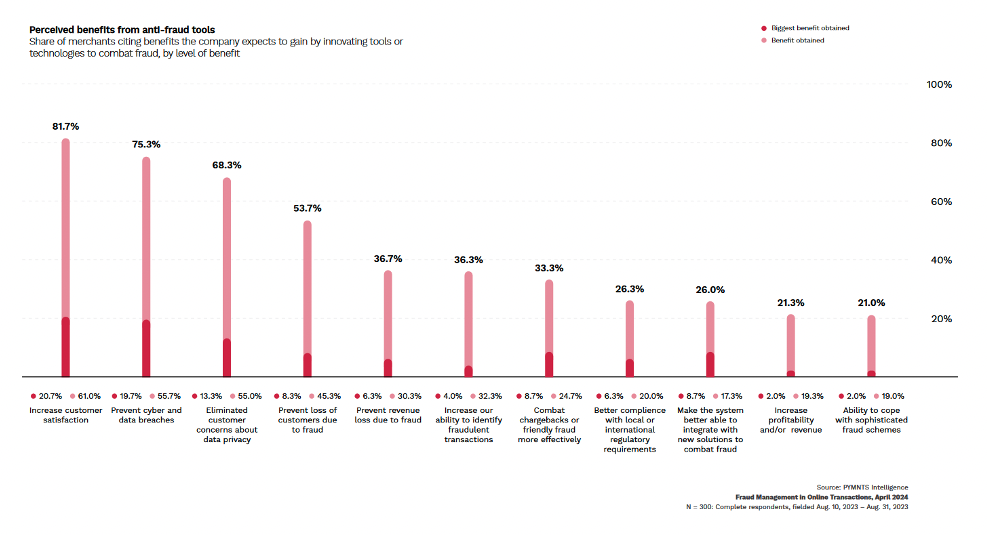
The Federal Trade Commission said it has been flooded with reports from consumers who have been taken in by scammers purporting to represent some of today’s leading companies. The FTC said Friday (May 24) that it received 52,000 consumer complaints in 2023 detailing scams where fraudsters claimed to represent Best Buy’s Geek Squad, which resulted in $15 million in consumer losses. Another 34,000 consumers reported losing $19 million to scam artists impersonating Amazon employees. PayPal impersonation frauds, meanwhile, cost consumers $16 million last year. These were the three leading impersonation scams, but the FTC said criminals pretending to represent Norton, Apple, Bank of America and Wells Fargo were also common last year. The tactics varied per swindle, the FTC said. Emails from fake Geek Squad representatives prompted consumers to share their credit card information to renew nonexistent service plans. Bogus Microsoft staffers alerted consumers about fake security breaches that could be resolved for a small price. Fraudsters claiming to represent Publishers Clearing House urged people to pay a modest fee so their nonexistent sweepstakes winnings could be delivered. To shield themselves from such hoaxes, the FTC said diligence is the first line of defense. Proceed with caution before paying anyone for anything or before clicking questionable links, the agency warned. The FTC also reminded businesses they have a role to play in protecting consumers. “At minimum, make it easier for customers to reach you to find out what communications are legit,” the FTC told merchants. “… [Look] to your workforce’s ingenuity to deploy solutions that protect your loyal customers and your good name.” The PYMNTS Intelligence report “Fraud Management in Online Transactions,” revealed that proactive fraud prevention on the part of merchants can help reinforce customer loyalty and satisfaction. The study found that 93% of eCommerce businesses saw improved customer experiences after integrating enhanced anti-fraud technologies. Of the 300 eCommerce executives who were surveyed for the report, 82% said increased consumer satisfaction would be the leading benefit following improved security measures. While 75% said upgrading fraud-prevention tools will help circumvent future cyber and data breaches — making it the No. 2 benefit — the next two leading benefits put the focus right back on the customer. Sixty-eight percent of merchants said enhancing fraud prevention tools will help mitigate customer concerns about data privacy, while 54% said it helps minimize customer churn. Only 37% said improving anti-fraud safeguards will help prevent future fraud losses. Merchants don’t have to go it alone. There are many third-party fraud prevention providers in the market, and PYMNTS Intelligence found that using external fraud-prevention expertise can pay off. Forty-four percent of merchants now outsource at least a portion of their fraud prevention operations to specialized third-party providers. Those surveyed in this group reported a lower average failed payment rate of 8.5% — 32% lower than the 13% rate experienced by businesses that opt to handle all their anti-fraud efforts internally. Although partnering with specialized third-party providers won’t put a dent in the millions of dollars consumers lose due to impersonation schemes, doing so can help merchants deliver on the FTC’s request to help protect customers. By doing so, businesses can improve their own internal security — and, in turn, boost customer satisfaction. The post FTC: Company Impersonation Scams Cost Consumers Millions of Dollars appeared first on PYMNTS.com.
Looking to protect the millions you've made from crypto during the Bitcoin-Ether ETF mania before this bull run comes crashing to an end? Here are a few i…
3 tips for protecting Bitcoin profits amid Ethereum ETF mania
Blockchain · Denaro elettronico
Riepilogo
Looking to protect the millions you've made from crypto during the Bitcoin-Ether ETF mania before this bull run comes crashing to an end? Here are a few ideas.
Joint CFTC and SEC jurisdiction as outlined in the landmark legislation will add heavy compliance costs, bifurcate global crypto markets and undermine a n…
The Unintended Consequences of FIT21’s Crypto Market Structure Bill
Denaro elettronico
Riepilogo
Joint CFTC and SEC jurisdiction as outlined in the landmark legislation will add heavy compliance costs, bifurcate global crypto markets and undermine a nascent industry in the U.S.
BlockDAG’s Rapid Climb As Leading Future Crypto With $32.4M Presale, Outshining Polygon’s Rally And PEPE’s Fall In the current cryptocurrency environment,…
BlockDAG’s Rapid Climb As Leading Future Crypto With $32.4M Presale, Outshining Polygon’s Rally And PEPE’s Fall In the current cryptocurrency environment, Polygon (MATIC) faces a stabilization period, while PEPE has experienced a notable decline from its peak. Amid these fluctuations, BlockDAG has risen as a pillar of innovation and promise. Lauded by influencers as the premier future cryptocurrency, BlockDAG has driven its presale to an impressive $32.4 million. It stands out with its advanced technology and a visionary approach to transforming the blockchain landscape. Is a Bull Run Approaching for Polygon (MATIC)? The market for Polygon shows signs of consolidation, hinting at possible bearish trends, yet MATIC has remained resilient, fluctuating within established support and resistance levels. A quick 40% rise in its value was short-lived, reverting to prior levels. Indicators like a bullish turn in the Gaussian channel predict resistance near $0.8 and the potential to escalate to $1, suggesting a possible breakout by late 2024 or early 2025. Has PEPE Reached Its Peak? PEPE recently achieved a record high, leading to a wave of profit-taking by investors. Having broken significant resistance levels, the token now risks a downturn as over 40% of holders begin to sell off their stakes. Should PEPE maintain levels above the recent peak, it might stabilize and attempt to reach new highs; otherwise, it could decline to $0.00000900 or below. BlockDAG’s Phenomenal Growth Fueled by Influencer Support BlockDAG’s presale has been exceptionally successful, raising over $32.4 million through the sale of 9.8 billion BDAG coins, thanks largely to endorsements from influential figures like Crypto Infinity. These endorsements have showcased BlockDAG’s innovative tokenomics and high-return potential, propelling its price upward and rewarding early investors with a 750% increase by the end of the 14th batch. The roadmap for BlockDAG focuses on implementing smart contracts, setting the coin’s initial market value, and launching strategic marketing initiatives. This plan outlines a progression from securing funding and forging strategic partnerships to preparing for the mainnet launch and concluding the presale phases. BlockDAG’s roadmap clearly illustrates its strategy to position itself as a top player in the cryptocurrency industry. BlockDAG’s strategy contrasts starkly with those of PEPE and Polygon. PEPE, driven by transient meme appeal, targets short-lived visibility, while Polygon’s approach is more cautious, focusing on scalability and interoperability for steady growth. In contrast, BlockDAG’s roadmap is ambitious, targeting rapid expansion and forecasting a monumental 30,000x ROI by 2030. Final Analysis As PEPE capitalizes on fleeting meme fame and Polygon advances with measured improvements, BlockDAG offers a more enticing investment opportunity. Its innovative strategies and strong support from influencers have propelled its presale to $32.4 million, achieving a 750% gain for early backers within just a few months. Unlike PEPE’s reliance on hype and Polygon’s gradual progression, BlockDAG uses strategic influencer collaborations and clear milestones to aim for exponential returns, setting a trajectory for a significant 30,000x ROI by 2030. This strategic positioning makes BlockDAG a compelling choice for investors focused on the future of cryptocurrency. Join BlockDAG Presale Now: Website: https://blockdag.network Presale: https://purchase.blockdag.network Telegram: https://t.me/blockDAGnetworkOfficial Discord: https://discord.gg/Q7BxghMVyu Disclosure: This is a sponsored press release. Please do your research before buying any cryptocurrency or investing in any projects. Read the full disclosure here. The post Polygon (MATIC) Bull Run | PEPE Price | BlockDAG’s Huge Presale appeared first on The Merkle News.