Buenos Aires Aims for a Privacy-Based Blockchain Solution
Riepilogo
The post Buenos Aires Aims for a Privacy-Based Blockchain Solution appeared first on Coinpedia Fintech News Despite the WorldCoin and biometric privacy concerns, the citizens of Buenos Aires will soon have a new digital identity service making use of blockchain. An innovative step to store and protect user data on the cloud. So you can recover biometric data without government control. Buenos Aires’ “QuarkID” will store personal data. Buenos Aires, the capital city of Argentina, has unveiled a groundbreaking digital identity system leveraging blockchain technology. Starting in October, the city’s 15 million residents will have access to their identity documents through a digital wallet. Initially, essential documents like birth and marriage certificates, as well as income and academic verifications, can be retrieved digitally. The project is all about QuarkID, a digital identity protocol developed by Web3 firm Extrimian. This is supported by zkSync Era, an Ethereum scaling protocol employing zero-knowledge rollups (ZK-rollups), ensuring secure validation without revealing specific information. In response, Guillermo Villanueva, CEO of Extrimian, noted the significance of this development for the future of secure and efficient government services in Latin America. The stored data will be self-sovereign, giving citizens control over the distribution of their credentials. Buenos Aires Takes the Lead in Latin America Recently, Diego Fernandez, the city’s secretary of innovation, highlighted Buenos Aires’ pioneering role in Latin America and aims to build a digital identity framework as a public resource. He underlined how Buenos Aires is setting a gold standard for other countries in the region, showcasing the advantages of blockchain technology for citizens. An Innovation or a Data Breach? Yes, you got it right we are talking about Worldcoin the one-of-a-kind digital ID initiative in Argentina. Led by OpenAI’s co-founder Sam Altman, this project has raised many eyebrows thanks to its privacy concerns, particularly regarding its use of retinal scans for user verification. Beyond Argentina, Worldcoin’s launch in July has sparked scrutiny in Europe and Africa. Kenya temporarily halted WorldCoin to assess its impact on privacy. There are multiple concerns about the security of iris scan data, despite assurances that it’s deleted. Questions linger about potential data sale or surveillance use. Regulators in France and the UK are investigating WorldCoin for potential violations of users’ legal rights, raising concerns for privacy-focused fintech solutions like QuarkID. What next? In such a state Argentina’s plan to use this controversial technology is raising many doubts about its usability. In broader terms, it can be seen as the city’s broader vision that can embrace health data and payment management into the digital identity platform, with plans to expand the blockchain-based solution nationwide by 2023.
The post Paul Grewal’s Insightful Commentary on SBF’s Trial: What to Expect from Jury Selection appeared first on Coinpedia Fintech News The trial of Sam …
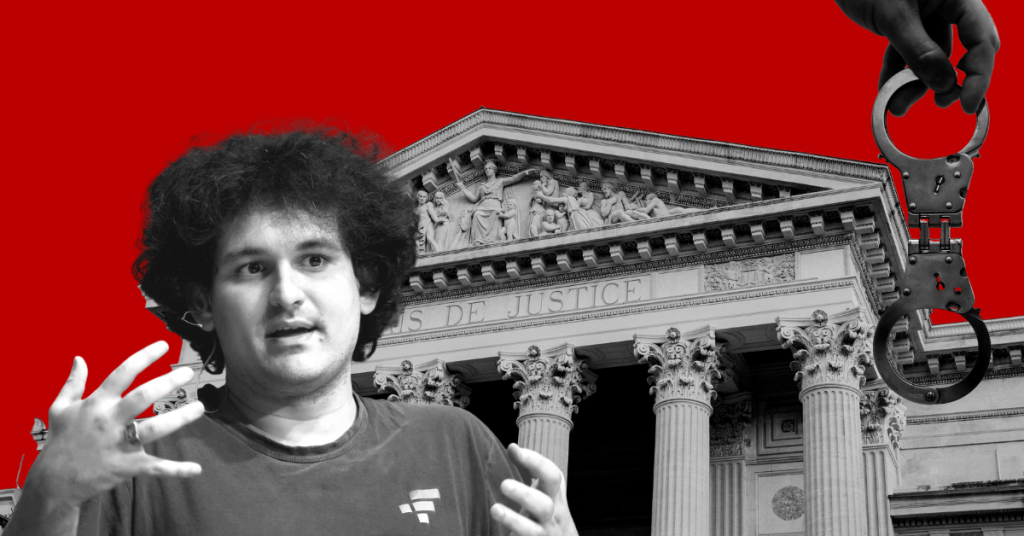
Paul Grewal’s Insightful Commentary on SBF’s Trial: What to Expect from Jury Selection
Denaro elettronico
Riepilogo
The post Paul Grewal’s Insightful Commentary on SBF’s Trial: What to Expect from Jury Selection appeared first on Coinpedia Fintech News The trial of Sam Bankman-Fried (SBF), the embattled 31-year-old founder of the now-defunct cryptocurrency exchange FTX, is set to begin this week. With seven criminal charges already on the table and five more pending for a March 2024 trial, Bankman-Fried looks at potential maximum sentences adding up to 110 years. This is not merely a case against a single entrepreneur but a potential defining moment for the legitimacy and credibility of the crypto industry. Amid this intense backdrop, Paul Grewal, Chief Legal Officer at Coinbase and a seasoned veteran with federal jury selections took to Twitter to offer his expert analysis on what to expect as Judge Lewis Kaplan begins the jury selection process. Federal judges take jury selection quite seriously. I'm sure that tomorrow am, Judge Kaplan will be no exception as he begins trial in the case against SBF. As someone who picked 35ish juries in federal court, I have a few thoughts on what to expect. — paulgrewal.eth (@iampaulgrewal) October 3, 2023 Dissecting Paul’s insights Grewal’s first thought emphasized that the days of protracted jury selections are essentially over. “I’d expect things to move quick,” he tweeted, stressing the importance of a fair trial and not wasting potential jurors’ time. His second insight underscored federal judges’ proactive role in jury selection. “They don’t just hand over the process to the lawyers,” Grewal pointed out. Federal judges aim for impartiality, fully aware that legal teams are naturally skewed towards juries that favor their cause. The public’s collective civic duty also figured prominently in Grewal’s reflections. Contrary to popular belief, many people are not just seeking to evade jury duty but are often willing to participate. “It’s inspiring to see people from every walk of life come together in their now too rare collective civic responsibility,” Grewal added. Grewal’s final point was stark: while jury composition matters, what the prosecutor would pick over anything else is “damning evidence.” Grewal emphasized that there appears to be no shortage of such evidence against SBF. Also Read – Sam Bankman-Fried’s Trial Begins Tomorrow: What to Expect” Jury selection will begin at 9:30 a.m. ET tomorrow in the US District Court for the Southern District of New York. Judge Kaplan, already taking a firm stance against temporary bail for SBF, will preside over the process. Opening arguments are scheduled for Wednesday.