How Personalized Card Reward Programs Are Driving Customer Loyalty
Riepilogo
Card reward programs are proving to be highly effective in building customer loyalty across industries, especially the travel sector, which is roaring back after several years of deep losses. That’s according to “Leveraging Item-Level Receipt Data: How Card-Linked Offers Drive Customer Loyalty,” a PYMNTS-Banyan study that surveyed more than 2,000 consumers in the United States to understand their interest in loyalty and rewards programs, their preference for card-linked offers, and how merchants can increase awareness and usage of these offers. Overall, 65% of credit or debit card users prefer to shop with brands or merchants where they are loyalty or rewards program members, per the report. Additionally, the study found that 34% of consumers are willing to try out new brands or merchants, while 23% are occasional shoppers who sporadically visit specific brands or merchants. Personalized card reward programs were found to be particularly appealing to consumers, with 4 in 10 expressing a preference for cards tailored to their needs and preferences. In the travel sector, PYMNTS Intelligence found that nearly 64% of consumers are very or extremely likely to use card-linked offers for local travel purchases in the next three months, while 60% plan to do the same for purchases related to long-distance travel. These high figures highlight the huge potential travel industry merchants have to increase engagement and retain customers through more personalized and relevant card-linked offers that resonate with customers’ needs. In fact, approximately half of millennials, 49% of consumers with children, and 44% of individuals who have recently started engaging with brands or merchants are inclined to switch to businesses that provide tailored card-linked offer programs for specific products. Similarly, our findings indicated that 50% of millennials, 50% of consumers with children, and 48% of new customers are likely to shift their preferences towards merchants offering specialized programs designed specifically for their business. Leveraging item-level receipt data can help travel merchants fully capture this potential, the study found. By analyzing this data, merchants can tailor offers based on loyalty program insights and customer behavior, effectively engaging existing customers and attracting new ones. Moreover, customers who have used these programs express high levels of satisfaction, especially when offers are tailored to their preferences, further giving merchants a chance to cultivate loyalty and encourage increased spending. Finally, the report emphasized the importance for merchants, card issuers and card-linked offer platforms to promote and increase consumer awareness of card-linked offers for the nearly 40% of consumers who have not used card-linked offers because they lack familiarity with these programs. Educating consumers about how these programs work and the benefits they provide can unlock value in the form of more card members and increased purchase volume.The post How Personalized Card Reward Programs Are Driving Customer Loyalty first appeared on PYMNTS.com.
18 million users of Coins.ph are expected to receive a faster, lower-cost and more accessible remittance option as a result of the new partnership with Ci…
USDC issuer partners with Philippines exchange to promote stablecoin
Denaro elettronico · Trasferimento di denaro
Riepilogo
18 million users of Coins.ph are expected to receive a faster, lower-cost and more accessible remittance option as a result of the new partnership with Circle.
At Sibos 2023, Grayson Clarke, Head of Market Planning and Marketing, LexisNexis® Risk Solutions, presents insights from the recent True Cost of Financial…
At Sibos 2023, Grayson Clarke, Head of Market Planning and Marketing, LexisNexis® Risk Solutions, presents insights from the recent True Cost of Financial Crime Compliance Study, conducted by Forrester Consulting, on how the evolving financial landscape is being shaped by an intricate network of regulations and sanctions, and the increasing use of AI.
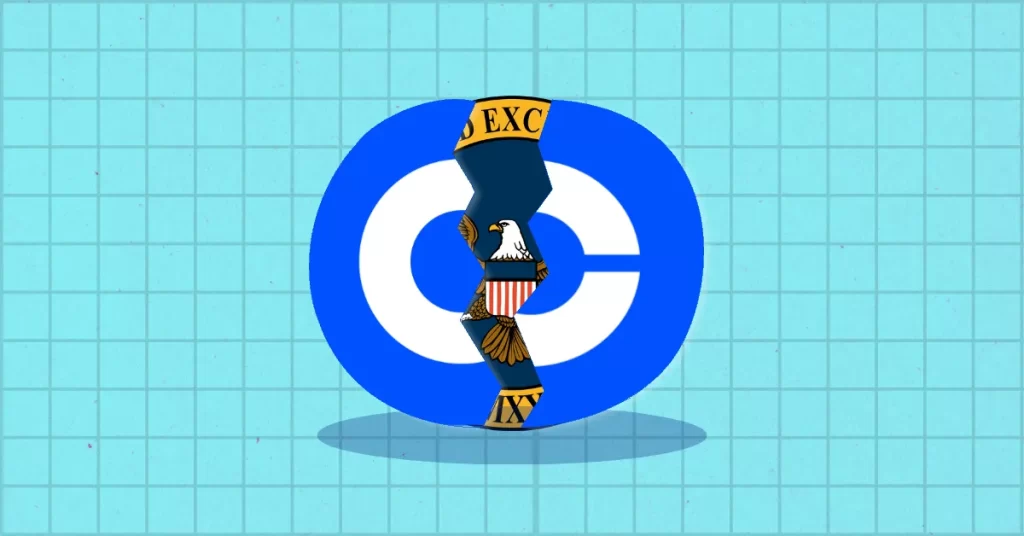
The post SEC Gains Amicus Curiae Support Against Coinbase in Legal Clash appeared first on Coinpedia Fintech News The U.S. SEC is making significant moves…
SEC Gains Amicus Curiae Support Against Coinbase in Legal Clash
Trasferimento di denaro · Denaro elettronico
Riepilogo
The post SEC Gains Amicus Curiae Support Against Coinbase in Legal Clash appeared first on Coinpedia Fintech News The U.S. SEC is making significant moves against both Coinbase and Ripple. While Ripple seems beyond immediate reach, the SEC focuses on Coinbase. They are actively seeking support from industry heavyweights in their case against the exchange. Following a failed attempt to convince a Judge to file an interlocutory appeal in the Ripple lawsuit, the SEC brought multiple amicus curiae against Coinbase. TradFi grey hairs file Amicus Curiae on behalf *drum roll* the SEC, in SEC vs. Coinbasehttps://t.co/ukeHcfcX8BNASAA landing page screenshot and story attached. PROTECT. pic.twitter.com/DczmmRVlm5— Mikko Ohtamaa (@moo9000) October 10, 2023 Multiple Amicus Curiae: SEC’s Dying Bet In the ongoing U.S. Securities and Exchange Commission v. Coinbase lawsuit, the SEC has enlisted various securities and legal entities to file amicus curiae against Coinbase. The American Securities Administrators Association (NASAA), New Finance Institute, and Administrative Law Scholars are all siding with the U.S. SEC. Having faced a setback in the Ripple lawsuit with Judge Analisa Torres, the U.S. Securities and Exchange Commission (SEC) is now working to bolster its position in the Coinbase lawsuit. The North American Securities Administrators Association (NASAA) has submitted an amicus brief, urging the court to reject Coinbase’s motion. Their arguments range from Congress’s broad definition of “security” for effective investment regulation to the assertion that Coinbase’s staking program qualifies as an investment contract. The New Finance Institute (NFI) has also supported the SEC, emphasizing that neither “investing” nor “contract” are prerequisites for identifying an “Investment Contract.” They argue that the SEC has the authority to regulate crypto and request the court to deny Coinbase’s motion. Additionally, Administrative Law Scholars Professors Todd Phillips and Beau Baumann have filed amicus briefs supporting the SEC, urging the court to deny Coinbase’s motion. Coinbase’s Stance On the opposing side, After John Deaton managed to get 1,500 users to support the case, it is evident that some experienced lawyers fraternity backs Coinbase. Currently, Coinbase enjoys the support of Republican Senator Cynthia Lummis, who, along with others, has filed an Amicus Brief urging the Judge to dismiss the case. Coinbase has countered these claims, asserting that the SEC lacks jurisdiction over the crypto industry and its actions go beyond the regulatory framework. Analyst Rebuffs Coinbase’s Dubious Claims Ali Martinez, a famous Crypto expert, took a sharp jab at Coinbase’s portrayal of the “digital asset industry” as a major player in the American economy, deeming it a dubious claim. He argued that, in reality, most digital assets are primarily used for speculative purposes and lack broad practical applications, such as being widely accepted for payments or satisfying government obligations like taxes. “The Court should decline to treat digital assets as somehow special.” This challenges Coinbase’s assertion about the industry’s significant role in economic and political contexts. It’s a heated back-and-forth in the ongoing legal saga!
Verifone, a leading global provider of payment solutions, announces that Mike Kohlsdorf has joined the company as CEO, succeeding Mike Pulli, who is stepp…
Verifone, a leading global provider of payment solutions, announces that Mike Kohlsdorf has joined the company as CEO, succeeding Mike Pulli, who is stepping down after five years with the organization.
New data from the Federal Trade Commission shows that scams originating on social media have accounted for $2.7 billion in reported losses since 2021, mor…
FTC reports that scams on social media have accounted for $2.7 billion in reported losses since 2021
Denaro elettronico
Riepilogo
New data from the Federal Trade Commission shows that scams originating on social media have accounted for $2.7 billion in reported losses since 2021, more than any other contact method.