How Ripple Case Developments Could Impact Ethereum’s Fate
Sintesi
The post How Ripple Case Developments Could Impact Ethereum’s Fate appeared first on Coinpedia Fintech News Ethereum’s early sales are making waves in the cryptocurrency community, drawing insights from recent SEC vs. Ripple lawsuit developments. Ashley Prosper, a prominent member of the XRP community, has shed light on five elements derived from the Ripple lawsuit, suggesting potential repercussions for Ethereum should the SEC decide to delve deeper into its past ICO dealings. Ethereum’s Spotlight: Ripple’s Court Insights The court’s findings in the Ripple lawsuit emphasized several critical factors regarding Ripple’s programmatic sales of XRP: The nature of these sales was likened to blind bid/ask transactions, with buyers unaware if their funds were directed to the blockchain firm. Such sales accounted for a mere sliver, less than 1%, of the global XRP trading activity. Ripple, during these transactions, did not make any commitments or offers, primarily because the company lacked knowledge of the identities of those buying XRP on exchanges. A significant number of these buyers remained oblivious to Ripple’s very existence. These XRP sales didn’t follow any contracts with clauses like lockup provisions or explicit statements of purpose. Ethereum’s Sales: A Subject of Contention Adding fuel to the Ethereum sales discourse was former Ethereum adviser Steven Nerayoff. He presented the inherent difficulty in pinpointing the exact number of Ethereum ICO buyers. His insights stirred debates and led to suspicions that some major players, or “whales”, could be concealing their Ethereum positions. The juxtaposition of the Ripple lawsuit’s findings with Ethereum’s historical sales opens a Pandora’s box of questions and potential regulatory scrutiny. Should the SEC choose to probe Ethereum’s past based on these Ripple precedents, Ethereum might find itself in a regulatory maze, raising concerns for its investors and stakeholders in the crypto industry.
Jeffrey Brown, who's been Ally Financial's top executive for nearly nine years, plans to leave the company by early next year. His exit comes as deteriora…
The surprise exit of Ally's CEO comes as the auto market gets tougher
Servizi bancari · Prestiti · Denaro elettronico
Sintesi
Jeffrey Brown, who's been Ally Financial's top executive for nearly nine years, plans to leave the company by early next year. His exit comes as deteriorating credit quality and rising interest rates are biting into Ally's profits.
As AI investment soars, financial institutions that share their AI strategies publicly are performing better than those keeping their efforts under wraps.…
By the numbers: JPMorgan Chase leads in AI strategy communication
Denaro elettronico
Sintesi
As AI investment soars, financial institutions that share their AI strategies publicly are performing better than those keeping their efforts under wraps. A report released this month by research company Evident Insights found that banks with strong AI communication strategies outperform their peers in stock price performance. The survey uses four indicators including strategy, communication,
ZeroSync's Robin Linus has ignited excitement in the Bitcoin community by introducing the "BitVM" paper, proposing a straightforward method for incorporat…
The Protocol: Bitcoin Might Get Ethereum-Style Smart Contracts Under ‘BitVM’ Plan
Blockchain · Denaro elettronico · Ricerca e analisi
Sintesi
ZeroSync's Robin Linus has ignited excitement in the Bitcoin community by introducing the "BitVM" paper, proposing a straightforward method for incorporating smart contracts into the original blockchain, a feature predominantly associated with Ethereum and its numerous derivatives.
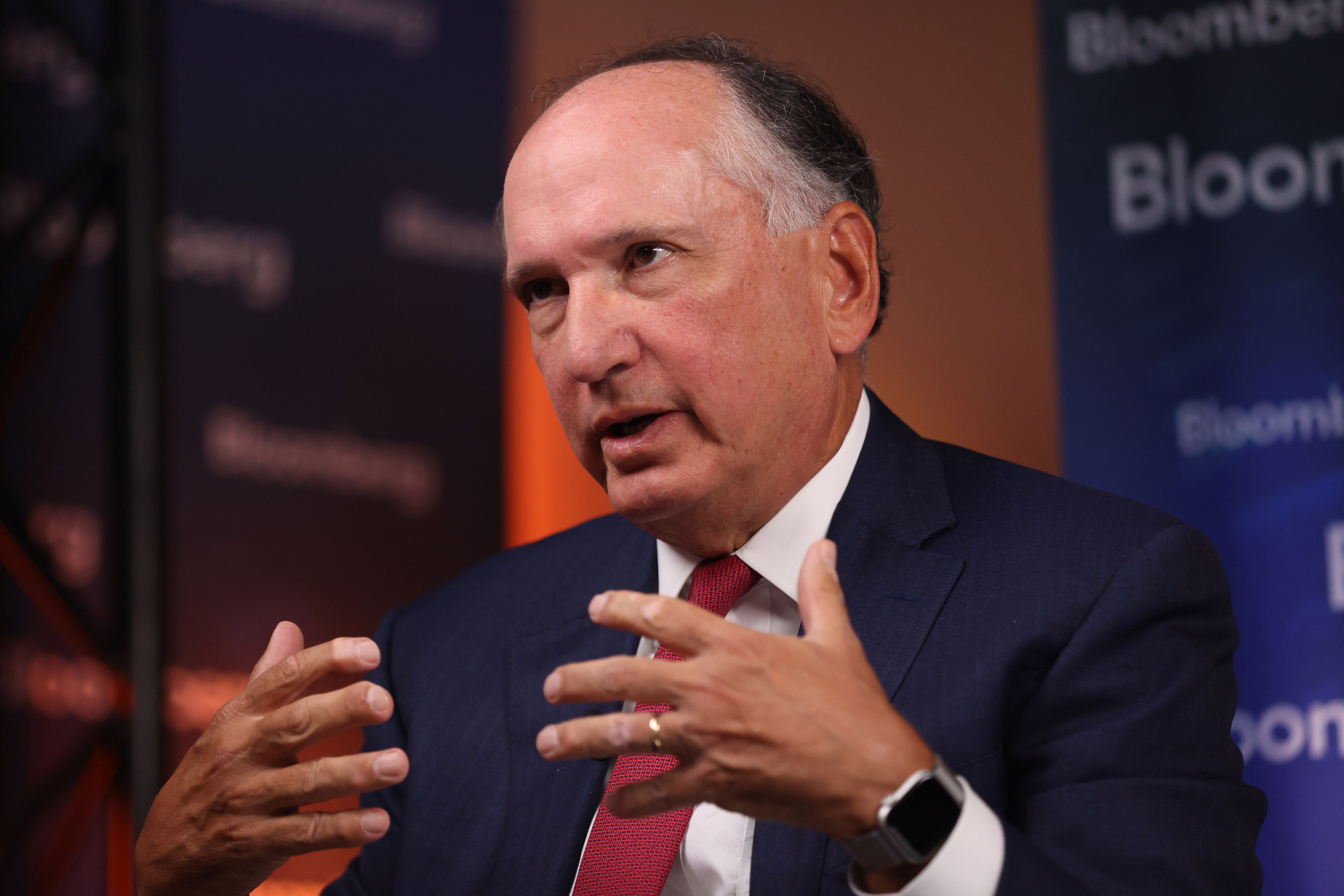
The proposals appear "somewhat bizarrely" to be a response to the problems at U.S. regional banks in March, according to Citigroup Chairman John C. Dugan.
Citigroup's Dugan says U.S. capital plan threatens bank lending
Denaro elettronico
Sintesi
The proposals appear "somewhat bizarrely" to be a response to the problems at U.S. regional banks in March, according to Citigroup Chairman John C. Dugan.