New Data: Card-Linked Offers Improve Relevance and Value
Riepilogo
Consumers who use card-linked shopping offers, which provide special savings or rewards attached to a merchant or product, return for more — most do. But what about the 21% of past users who never return? PYMNTS Intelligence finds that if those who used these offers in the past came back, more than half of U.S. cardholders would be users. What do these consumers say keeps them from returning to card-linked offers? Irrelevant offers and unappealing deals. But the naysayers should give these offers another look. These are just some of the findings detailed in “Card-Linked Offer Usage Over Time,” a PYMNTS Intelligence and Banyan collaboration. The report examines the future growth dynamics of card-linked offers. It draws on insights from a survey of 2,108 U.S. consumers conducted from March 20 to April 6, exploring how and why they started using these offers. Other key findings in the report include the following. Former users view the lack of relevant offers as the key reason they have not yet returned. Relevancy and savings are key to drawing consumers in. Data shows that for 22% of former users, a lack of relevant offers is not just a deterrent for using cards but the key reason they do not return. These consumers’ perceptions do not match how these offers have changed. Card-linked offers are becoming more attractive in areas consumers care about — relevancy and savings — if only former users would notice. Nearly two-thirds of card-linked offer users are more satisfied with the relevancy of the offers they received this year than the previous year. Current users are noticing more improvements in their offer programs. But the same is not true for former users, who remain outside of the programs. Providers that target past users and position how the programs have improved could have a competitive advantage. More than half of past users are at least somewhat likely to use the offers again in the future. Most card-linked offer users will likely use them again. However, 63% of cardholders have not received these offers in the last year or noticed if they have. Here, providers have missed out on an opportunity. The report explores which past users are more likely to return. Providers must target consumers who have never used these offers and reengage previous users to grow usage. Download the report to learn more about how card-linked offer providers can deliver a one-two punch to unlock the next wave of growth. The post New Data: Card-Linked Offers Improve Relevance and Value appeared first on PYMNTS.com.
The post Ripple vs. SEC: Another Win For Ripple As Judge Torres DENIED SEC’s Motion to File an Interlocutory Appeal. appeared first on Coinpedia Fintech N…
Ripple vs. SEC: Another Win For Ripple As Judge Torres DENIED SEC’s Motion to File an Interlocutory Appeal.
Servizi per le banche · Trasferimento di denaro · Denaro elettronico
Riepilogo
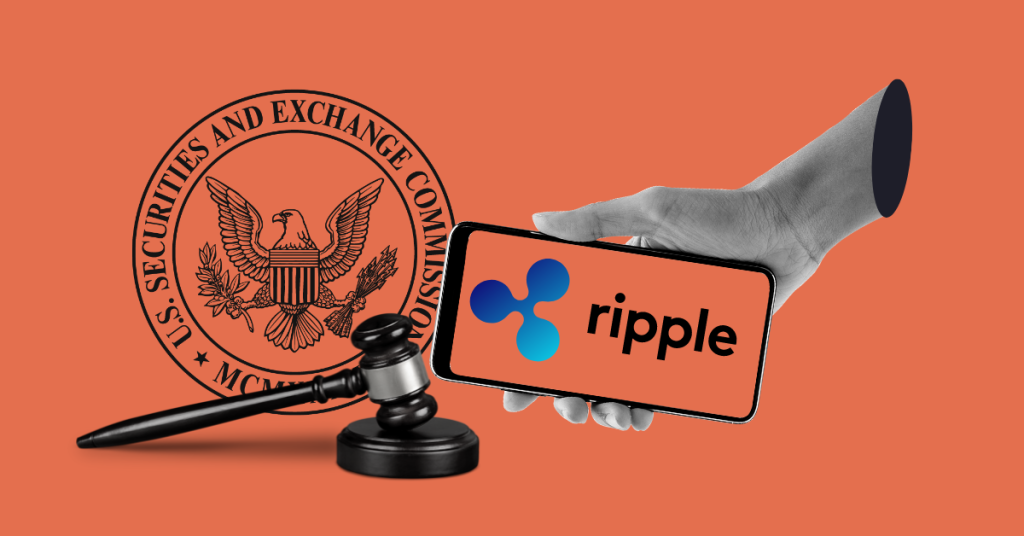
The post Ripple vs. SEC: Another Win For Ripple As Judge Torres DENIED SEC’s Motion to File an Interlocutory Appeal. appeared first on Coinpedia Fintech News The U.S. Securities and Exchange Commission (SEC) experienced a setback in its legal battle against Ripple, a prominent digital payment protocol and cryptocurrency (XRP). The SEC’s motion to appeal a previous loss was denied by District Judge Analisa Torres, sparking various reactions within the crypto community and impacting XRP’s market position. Let’s delve into the details of this case and explore its implications in a simplified manner. The Denied Motion: A Closer Look On August 18th, the SEC filed a pre-motion for an interlocutory appeal against a court judgment. Initially, Judge Analisa Torres granted permission for the SEC to file the appeal. However, the request was ultimately denied by Judge Torres. She ruled that the SEC had failed to provide sufficient evidence to justify the appeal, stating that it would not “materially advance the ultimate termination of the litigation.” #XRPCommunity #SECGov v. #Ripple #XRP BREAKING: Judge Torres has DENIED the SEC’s Motion to File an Interlocutory Appeal. https://t.co/czEIz93Vfn— James K. Filan (@FilanLaw) October 3, 2023 The Howey Test Controversy One of the central points of contention was the SEC’s claim that the court had improperly applied the Howey test to the case. In her rejection of the appeal, Judge Torres emphasized that the Howey test was irrelevant to this particular case. She cited a 2009 lawsuit to support her argument, stating that the circumstances surrounding the Howey test did not warrant consideration for an interlocutory appeal. Judge Torres’s decision to deny the SEC’s motion to appeal was grounded in the absence of substantial grounds for differences of opinion on controlling legal questions. This means the SEC failed to demonstrate a significant legal dispute or ambiguity that warranted an appeal. While this is a setback for the SEC, the case is far from over, with a trial date set for April 2024 to resolve the remaining issues. Ripple’s lawyer, John Deaton, correctly anticipated the outcome, believing that the SEC’s motion for an appeal would be rejected. He speculated that this would allow Judge Torres to clarify her reasoning further and make the case “appeal-proof.” Indeed, Judge Torres reinforced her reasoning and upheld the rejection of the SEC’s appeal. Following the announcement of the denied appeal, XRP price experienced a notable rally, increasing by about 5%. While the denied motion is a positive development for Ripple and its supporters, the journey through the legal corridors is not concluded. The upcoming trial in 2024 will further explore unresolved issues and could still swing in favor of either party.
The regulator has asked a federal judge to deny Coinbase’s motion to dismiss its lawsuit, claiming the exchange knew the cryptocurrencies it sold were sec…
SEC asks judge to reject Coinbase’s motion to dismiss lawsuit
Denaro elettronico
Riepilogo
The regulator has asked a federal judge to deny Coinbase’s motion to dismiss its lawsuit, claiming the exchange knew the cryptocurrencies it sold were securities under the Howey test.
M&T Bank, Truist Financial and Eastern Bankshares are among the banks that have sold all or part of their insurance subsidiaries over the last year. T…
Banks' insurance units are fetching top dollar, but selling brings risk
Investimenti · Denaro elettronico
Riepilogo
M&T Bank, Truist Financial and Eastern Bankshares are among the banks that have sold all or part of their insurance subsidiaries over the last year. Though the price is right, analysts warn that when interest rates decline, sellers will be without a key source of fee income.
HSBC, Nationwide, Tesco Bank, Newday and Ovo have joined with Experian to launch a one-stop portal for disabled consumers to tell multiple service provide…
Banks join with Experian to launch 'tell-it-once' platform for disabled consumers
Servizi bancari
Riepilogo
HSBC, Nationwide, Tesco Bank, Newday and Ovo have joined with Experian to launch a one-stop portal for disabled consumers to tell multiple service providers how they need to be contacted and what support they need to access their services.
Saga, the British brand focussed on providing products and services to the over 50s, has teamed up with cash deposit platform Flagstone on a savings platf…
Saga partners Flagstone on savings platform for over-50s
Servizi bancari
Riepilogo
Saga, the British brand focussed on providing products and services to the over 50s, has teamed up with cash deposit platform Flagstone on a savings platform.